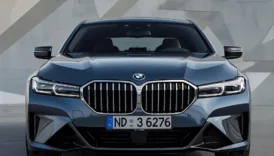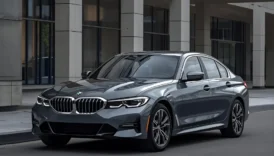
2021 BMW 7 Series Luxury Performance Features
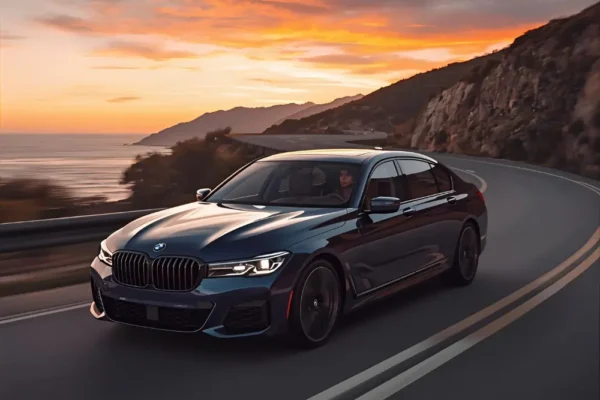
- 2021 BMW 7 Series Luxury Performance Features
- What’s New and Model Updates in the 2021 BMW 7 Series
- 2021 BMW 7 Series – Update Overview
- Exterior Refinements, Aerodynamic Integration and Lighting Evolution
- Structural Enhancements, Chassis Isolation and Platform Optimisation
- TwinPower Turbo Thermal Strategy, Injection Logic and Power Delivery
- Digital Cockpit Upgrades, Interface Improvements and Processing Gains
- Ride Comfort Revisions, Suspension Retuning and NVH Refinement
- Rear-Seat Executive Enhancements and Cabin Functionality Expansion
- Engine Options and Performance Characteristics of the 2021 BMW 7 Series
- Turbocharger Response, Boost Stability and Combustion Efficiency
- Torque Curve Behaviour, Long-Distance Strength and Power Distribution
- Powertrain Behaviour Summary
- Transmission Logic, Shift Sequencing and Load-Adapted Ratio Control
- Cooling System Architecture, Heat Management and Durability Stability
- Exhaust Flow, Acoustic Tuning and Backpressure Optimisation
- Driving Experience, Ride Quality and Handling Behaviour of the 2021 BMW 7 Series
- Steering Weighting, Precision Balance and High-Speed Centering
- Suspension Compliance, Bushing Characteristics and Surface Absorption
- Adaptive Damping Algorithms, Real-Time Adjustment and Comfort Stability
- Dynamic Behaviour Snapshot
- Chassis Stiffness, Body Roll Management and Executive-Grade Control
- High-Speed Composure, Aero Balance and Lane-Tracking Predictability
- Road Isolation, Vibration Filtering and Cabin Calmness
- Brake Consistency, Temperature Management and Fade Resistance
- Interior Design, Material Quality and Comfort of the 2021 BMW 7 Series
- Interior Comfort Highlights
- Cabin Architecture, Driver Orientation and Spatial Harmony
- Seat Engineering, Foam Density Strategy and Luxury Support Levels
- Material Selection, Panel Precision and Premium Touchpoints
- Acoustic Insulation, Noise Filtering and Multi-Layer NVH Protection
- Climate Regulation, Thermal Predictability and Passenger-Zone Stability
- Ambient Lighting, Interface Mood Control and Luxury Atmosphere
- Safety and Driver Assistance Systems in the 2021 BMW 7 Series
- Sensor Accuracy, Radar Reach and Camera Recognition Fidelity
- Adaptive Cruise Logic, Lane Stability and Micro-Correction Smoothness
- Emergency Braking Behaviour, Predictive Hazard Logic and Crash Avoidance
- Structural Protection, Impact Distribution and Passenger Cell Integrity
- Redundancy Protocols, System Backup Functions and Operational Assurance
- Technology, Infotainment and Digital Systems of the 2021 BMW 7 Series
- iDrive Interface Speed, Menu Efficiency and User Interaction Flow
- Digital Cluster Resolution, Rendering Precision and Visual Depth
- Rear-Seat Entertainment Architecture, Streaming Stability and Control Logic
- Smartphone Integration, Wireless Performance and Signal Routing
- Digital Capability Overview
- Navigation Intelligence, Predictive Mapping and Traffic Modelling
- Audio DSP Tuning, Speaker Calibration and Acoustic Purity
- OTA Update Security, Module Partitioning and System Reliability
- Fuel Efficiency and Real-World Economy of the 2021 BMW 7 Series
- 7 Series Efficiency Overview
- Combustion Efficiency, Load Variation Behaviour and Urban Consumption
- Coasting Function, Recuperation Logic and Energy Management
- Aerodynamic Stability, Drag Reduction and Motorway Efficiency
- Driving Mode Influence, Throttle Mapping and Economy Consistency
- Dimensions, Cabin Space and Practicality of the 2021 BMW 7 Series
- Front and Rear Seating Space, Legroom Geometry and Passenger Comfort
- Trunk Layout, Loading Structure and Cargo Flexibility
- Practicality Snapshot of the 2021 7 Series
- Rear-Seat Entry, Door Aperture and Executive-Access Convenience
- Vehicle Proportions, Manoeuvrability and Urban Navigation
- Long-Distance Spaciousness, Rear-Zone Comfort and Travel Endurance
- Cabin Storage, Layout Efficiency and Everyday Usability
- Common Issues and Reliability Trends of the 2021 BMW 7 Series
- Electronic Module Behaviour, Software Variability and Stability Trends
- Engine Wear Indicators, Intake Cleanliness and Long-Term Durability
- Reliability Snapshot for the 2021 BMW 7 Series
- Interior Fitment, Material Expansion and Cabin Noise Patterns
- Sensor Sensitivity, Weather Interference and Detection Reliability
- Maintenance Requirements and Ownership Experience of the 2021 BMW 7 Series
- Maintenance Planning Highlights
- Scheduled Service Items, Diagnostic Requirements and Preventive Checks
- Consumable Wear Patterns, Component Longevity and Usage Influence
- CLAR Platform Serviceability, Parts Availability and Workshop Efficiency
- Long-Term Refinement, Powertrain Stability and Operational Smoothness
- Ownership Experience, Ride Quality Preservation and Executive-Class Durability
- Frequently Asked Questions About 2021 BMW 7 Series
- Is the 2021 BMW 7 Series reliable for long-term ownership?
- Is the 7 Series comfortable for extended luxury travel?
- Does the 2021 7 Series offer strong real-world fuel efficiency?
- What technology features stand out in the 7 Series?
- Are there common issues owners should be aware of?
- How practical is the 7 Series for everyday executive use?
- Which maintenance habits best preserve engine longevity?
- Is the 7 Series manageable in city driving despite its size?
The 2021 BMW 7 Series represents the flagship expression of BMW’s engineering, combining advanced CLAR platform architecture with refined TwinPower Turbo engines, expanded driver-assistance capabilities and a meticulously insulated luxury cabin. Its long-wheelbase geometry, adaptive chassis technologies and executive-class comfort systems position the 7 Series as a benchmark for long-distance refinement. Enhanced infotainment processing, upgraded materials and improved aerodynamics further elevate its status as BMW’s most technically sophisticated sedan.
What’s New and Model Updates in the 2021 BMW 7 Series
The 2021 BMW 7 Series refines its flagship identity with targeted upgrades across the chassis, cabin technology, exterior aerodynamics and powertrain management. Built on the advanced CLAR platform, the 7 Series benefits from enhanced structural isolation, more sophisticated thermal control within its TwinPower Turbo engines and quieter cabin architecture. Updated lighting elements, expanded digital functions and improved rear-seat luxury features elevate the model’s long-distance refinement while maintaining BMW’s dynamic precision.
2021 BMW 7 Series – Update Overview
| Category | Enhancement |
|---|---|
| Exterior | Slimmer lighting units, refined fascia, improved airflow |
| Platform | Additional bracing, higher isolation, reduced vibration paths |
| Powertrain | Cleaner injection logic, improved turbo thermal balance |
| Digital Systems | Faster interface processing and updated graphics |
| Comfort | Retuned suspension and upgraded rear-seat features |
Exterior Refinements, Aerodynamic Integration and Lighting Evolution
Slimmer headlamps, reshaped air inlets and more efficient airflow channels modernise the 7 Series’ aerodynamic profile. Why does this lead to greater high-speed confidence? Reduced turbulence around the front axle stabilises airflow, improving directional consistency across long motorway stretches.
Structural Enhancements, Chassis Isolation and Platform Optimisation
Additional structural bonding and isolation points reduce noise transmission from the road. How does this affect overall comfort? Lower vibration pathways allow the cabin to remain calm even when travelling over coarse surfaces, supporting the sedan’s executive focus.
TwinPower Turbo Thermal Strategy, Injection Logic and Power Delivery
Refined injection timing and enhanced thermal pathways result in steadier torque output across varying loads. Why does throttle response remain consistent during repeated accelerations? Improved heat management prevents performance drop-off, keeping boost delivery predictable.
Digital Cockpit Upgrades, Interface Improvements and Processing Gains
The upgraded digital cockpit uses clearer graphics and faster rendering. How does this enhance usability? Reduced screen lag simplifies menu navigation, helping drivers access information with less distraction.
Ride Comfort Revisions, Suspension Retuning and NVH Refinement
Subtle damper retuning and improved bushing compliance enhance low-frequency comfort. Why does the 7 Series feel more composed during uneven road transitions? Faster rebound stability limits cabin movement, improving long-distance ride quality.
Rear-Seat Executive Enhancements and Cabin Functionality Expansion
Revised seat contouring, improved screens and upgraded comfort controls refine the rear executive suite. How does this elevate passenger experience? More adjustable support and cleaner interfaces allow occupants to tailor their environment more precisely during extended travel.
Engine Options and Performance Characteristics of the 2021 BMW 7 Series
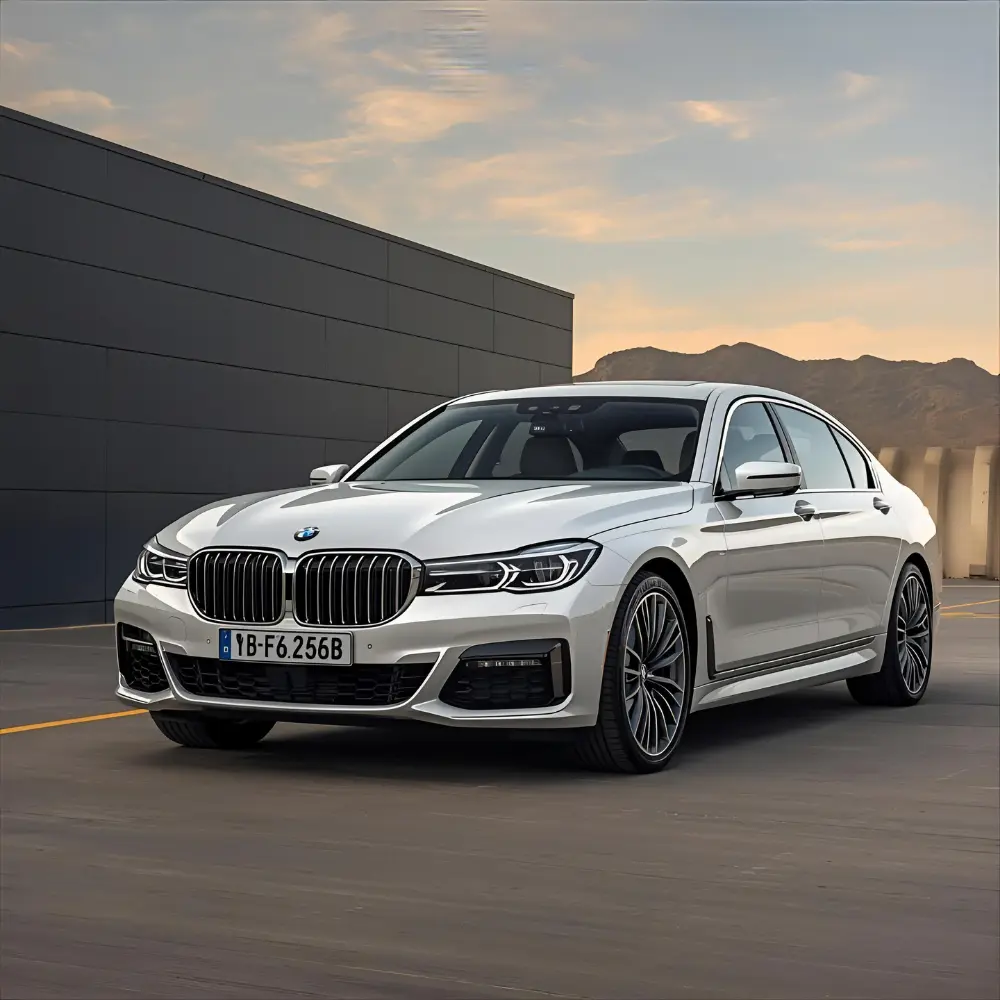
The 2021 BMW 7 Series delivers flagship-level performance through a lineup of refined TwinPower Turbo engines engineered for smooth torque delivery, sophisticated thermal regulation and exceptional long-distance composure. Built on the rigid CLAR structure, the powertrains benefit from optimised combustion, stabilised boost pressure and enhanced cooling capacity. These adjustments ensure that the 7 Series provides consistent, quiet and authoritative acceleration suitable for executive travel.
Turbocharger Response, Boost Stability and Combustion Efficiency
The turbo system maintains controlled pre-spool pressure to support responsive torque delivery. Why does the engine feel more immediate during gentle throttle applications? Optimised wastegate behaviour reduces lag, allowing the turbo to sustain its ideal operating range even in light-load transitions.
Torque Curve Behaviour, Long-Distance Strength and Power Distribution
A broad, flat torque plateau supports smooth, uninterrupted acceleration. How does this improve long-distance comfort? Less frequent downshifting keeps RPM low, reducing noise and vibration during extended high-speed journeys.
Powertrain Behaviour Summary
- Broad torque output for seamless acceleration
- Stable boost levels across varying loads
- Strong thermal resilience under repeated stress
- Quiet, refined operation at motorway speeds
Transmission Logic, Shift Sequencing and Load-Adapted Ratio Control
Software adjustments refine shift timing and throttle-blend strategy. Why does the transmission feel exceptionally smooth at low speeds? Adjusted converter behaviour softens engagement, improving precision during parking and urban manoeuvres.
Cooling System Architecture, Heat Management and Durability Stability
Segmented coolant circuits and high-capacity intercooling maintain thermal consistency. How does this benefit engine longevity? Consistent operating temperatures reduce mechanical stress, supporting durability over high mileage.
Exhaust Flow, Acoustic Tuning and Backpressure Optimisation
Optimised exhaust routing reduces backpressure while maintaining a quiet, premium tone. Why does reduced backpressure improve drivability? Freer flow allows the turbo to maintain efficiency, enhancing both responsiveness and overall combustion stability.
Driving Experience, Ride Quality and Handling Behaviour of the 2021 BMW 7 Series
The 2021 BMW 7 Series delivers a flagship driving character shaped by advanced chassis isolation, adaptive damping technologies and a meticulously balanced steering system. Built on the CLAR platform, the sedan blends high-speed composure with refined low-frequency comfort, ensuring that driver and passengers experience a uniquely calm, predictable and controlled ride. Extensive NVH engineering and enhanced aerodynamic stability further elevate the 7 Series’ executive driving signature.
Steering Weighting, Precision Balance and High-Speed Centering
Revised assist mapping provides smoother transitions and improved on-center feel. Why does the steering remain so stable during long motorway stretches? Reduced assist sensitivity near the center prevents micro-corrections, enhancing straight-line confidence.
Suspension Compliance, Bushing Characteristics and Surface Absorption
Updated bushing materials and retuned damping improve absorption of road imperfections. How does this improve passenger comfort? Faster damping response limits vertical oscillations, smoothing out rough surfaces without compromising stability.
Adaptive Damping Algorithms, Real-Time Adjustment and Comfort Stability
The adaptive damping system operates with broader adjustment bandwidth and faster response rates. Why does the ride feel more consistent across mixed road conditions? Real-time compression and rebound adjustments maintain body control during transitions between smooth and uneven pavement.
Dynamic Behaviour Snapshot
| Attribute | Enhancement | Real-World Effect |
|---|---|---|
| Steering | Improved weighting | Better high-speed tracking |
| Damping | Faster reaction | Smoother surface absorption |
| Stability | Reduced lift | Calm motorway behaviour |
| Braking | Enhanced cooling | Strong fade resistance |
Chassis Stiffness, Body Roll Management and Executive-Grade Control
Increased chassis rigidity reduces lateral flex during cornering. Why does this matter in a luxury sedan? A stiffer structure maintains suspension geometry, enabling the car to react predictably even under sudden directional changes.
High-Speed Composure, Aero Balance and Lane-Tracking Predictability
Optimised underbody airflow and refined bumper shaping reduce turbulence at speed. How does this translate to a calmer ride? Lower aerodynamic lift enhances lane-holding stability, particularly during crosswinds or overtaking.
Road Isolation, Vibration Filtering and Cabin Calmness
Advanced isolation materials and targeted damping zones minimise the transfer of road harshness. Why does the cabin feel so serene even on coarse asphalt? Layered NVH countermeasures filter out both high- and low-frequency disturbances before they reach the passenger cell.
Brake Consistency, Temperature Management and Fade Resistance
Improved brake cooling and higher-performance compounds stabilise brake feel during repeated use. Why does the pedal maintain its firmness under heavy load? Controlled heat dissipation prevents fade, ensuring predictable deceleration in demanding conditions.
Interior Design, Material Quality and Comfort of the 2021 BMW 7 Series
The 2021 BMW 7 Series showcases a flagship-level cabin environment crafted around luxury materials, refined ergonomics and sophisticated NVH engineering. Built on the CLAR platform’s wide structural base, the interior benefits from generous dimensions, precise panel fitment and an elevated sense of quietness. Multi-layer insulation, premium seating architecture and advanced climate systems work together to create a calm, tailored environment suited for executive travel.
Interior Comfort Highlights
- Multi-density seating foam for tailored support
- Enhanced NVH isolation for a serene cabin
- High-precision panel alignment
- Tailored rear-seat comfort systems
Cabin Architecture, Driver Orientation and Spatial Harmony
The 7 Series uses a carefully balanced cabin geometry that blends driver orientation with a spacious, symmetrical layout. Why does this dual-focus architecture matter for a flagship sedan? It ensures driver engagement without compromising rear-passenger prestige or visibility.
Seat Engineering, Foam Density Strategy and Luxury Support Levels
Seats are constructed with layered foam densities designed for both support and long-distance comfort. How does this design reduce fatigue? Balanced pressure distribution prevents discomfort during extended journeys, sustaining posture stability.
Material Selection, Panel Precision and Premium Touchpoints
Fine-grain leather, polished metals and high-precision panel interfaces elevate tactile quality. Why does precision matter for refinement? Reduced micro-movement at trim junctions prevents minor rattles and enhances long-term cabin solidity.
Acoustic Insulation, Noise Filtering and Multi-Layer NVH Protection
The sedan incorporates acoustic glass, additional firewall insulation and multi-layer carpeting. How do these contribute to luxury comfort? They reduce both airborne and structure-borne noise, maintaining cabin serenity during urban and high-speed travel.
Climate Regulation, Thermal Predictability and Passenger-Zone Stability
Multi-zone climate logic regulates temperature using sensors across the cabin. Why does this improve thermal comfort? Predictive airflow prevents noticeable shifts, keeping temperature consistent across all seating positions.
Ambient Lighting, Interface Mood Control and Luxury Atmosphere
Customisable ambient lighting creates a tailored visual environment. How does lighting influence perceived comfort? Controlled illumination enhances the sense of space and reduces visual fatigue during night driving.
Safety and Driver Assistance Systems in the 2021 BMW 7 Series
The 2021 BMW 7 Series builds on its luxury flagship status with an advanced suite of safety and driver-assistance systems engineered to provide smooth intervention, high detection accuracy and robust structural protection. Enhanced radar reach, higher-resolution cameras and upgraded processing layers allow the sedan to anticipate hazards with greater precision. Combined with a reinforced safety cell and redundant fail-safe logic, the 7 Series delivers a confidently protective driving experience.
Sensor Accuracy, Radar Reach and Camera Recognition Fidelity
Radar and camera systems receive resolution upgrades that improve object differentiation at long ranges. Why does this matter in multilane highway driving? Better definition helps the system recognise vehicle spacing and lane boundaries more reliably, reducing incorrect alerts.
Adaptive Cruise Logic, Lane Stability and Micro-Correction Smoothness
Adaptive cruise control integrates smoother throttle and brake modulation to maintain set distance. Why does the lane-support system feel more natural? Reduced correction force results in gentler steering inputs, making guidance subtle rather than intrusive.
Emergency Braking Behaviour, Predictive Hazard Logic and Crash Avoidance
Emergency braking algorithms now analyse multiple probability layers before intervention. How does this improve real-world safety? Earlier detection and more measured brake application stabilise the vehicle’s posture, reducing the risk of abrupt stops.
Structural Protection, Impact Distribution and Passenger Cell Integrity
The 7 Series uses multi-phase steel and controlled deformation zones to channel crash forces away from passengers. Why is this important in severe impacts? Predictable load paths maintain cabin shape, preserving survivable space during collisions.
Redundancy Protocols, System Backup Functions and Operational Assurance
Critical safety systems employ redundancy layers to maintain function even if a module fails. Why does redundancy matter in executive-class vehicles? It ensures uninterrupted operation of essential assistance features, supporting safety across long-distance journeys.
Technology, Infotainment and Digital Systems of the 2021 BMW 7 Series
The 2021 BMW 7 Series integrates a highly advanced digital ecosystem designed for seamless interaction, fast processing and executive-class connectivity. Its upgraded iDrive interface, high-resolution displays and enhanced rear-seat entertainment suite reinforce the model’s flagship status. Improved wireless stability, predictive navigation logic and high-fidelity audio architecture ensure that both driver and passengers experience a technologically refined environment aligned with long-distance luxury expectations.
iDrive Interface Speed, Menu Efficiency and User Interaction Flow
The updated iDrive processor significantly accelerates menu transitions and command execution. Why does this improvement matter during active driving? Reduced interface delay allows drivers to access navigation or vehicle settings quickly without diverting excess attention from the road.
Digital Cluster Resolution, Rendering Precision and Visual Depth
The digital instrument cluster features enhanced contrast, smoother animations and clearer iconography. How does this support driver concentration? Improved legibility reduces visual effort, enabling faster interpretation of speed, alerts and navigation cues.
Rear-Seat Entertainment Architecture, Streaming Stability and Control Logic
Rear passengers benefit from upgraded displays, faster streaming and an expanded control interface. Why does the new architecture feel more responsive? Higher data throughput ensures smoother playback and quicker system reactions when accessing multimedia or comfort settings.
Smartphone Integration, Wireless Performance and Signal Routing
Wireless Apple CarPlay and Android Auto connectivity is strengthened through optimised antenna positioning. How does this enhance daily usability? Improved signal routing reduces dropouts during calls or navigation mirroring, making wireless operation more reliable.
Digital Capability Overview
- High-speed processors with minimal latency
- Clearer cluster graphics for reduced eye strain
- Stable wireless connectivity and data flow
- Predictive navigation with real-time modelling
- Premium DSP audio calibration for immersive clarity
Navigation Intelligence, Predictive Mapping and Traffic Modelling
Updated route algorithms incorporate larger traffic datasets and faster recalculation logic. Why does this produce more accurate guidance? The system anticipates congestion patterns earlier and adjusts routing before delays fully develop.
Audio DSP Tuning, Speaker Calibration and Acoustic Purity
The premium audio system employs advanced DSP tuning to balance frequency output across the cabin. Why does the sound remain clean even at higher volumes? Reduced panel resonance and calibrated speaker housings prevent distortion, maintaining clarity and tonal accuracy.
OTA Update Security, Module Partitioning and System Reliability
Over-the-air updates refresh infotainment and select vehicle modules without disrupting essential systems. Why is module partitioning important for a flagship? By isolating critical components, updates proceed safely while preserving operational stability across the digital architecture.
Fuel Efficiency and Real-World Economy of the 2021 BMW 7 Series
The 2021 BMW 7 Series balances its luxury performance credentials with a refined efficiency strategy built around optimised TwinPower Turbo combustion, anticipatory energy management and aerodynamic stability. Despite its size and power, the 7 Series maintains competitive real-world consumption by minimising drag, reducing mechanical load at cruising speeds and employing intelligent recuperation functions. These engineering measures reinforce the sedan’s capability for long-distance executive travel.
7 Series Efficiency Overview
| Factor | Technical Contribution | Effect on Economy |
|---|---|---|
| Combustion Efficiency | Precise injection and reduced friction | Stable mixed-driving consumption |
| Aerodynamics | Lower drag and controlled airflow | Improved motorway economy |
| Recuperation | Energy capture during decel | Reduced engine load in urban use |
Combustion Efficiency, Load Variation Behaviour and Urban Consumption
Revised fuel injection timing and reduced internal friction support strong low-load efficiency. Why does the 7 Series perform well in stop-and-go use despite its size? The broad torque plateau reduces the need for throttle spikes, helping maintain smoother, more economical acceleration.
Coasting Function, Recuperation Logic and Energy Management
The coasting feature disengages the engine during low-load phases while recuperation restores energy under braking. How does this help real-world efficiency? These functions reduce fuel demand in urban or rolling-terrain scenarios, especially during repetitive deceleration cycles.
Aerodynamic Stability, Drag Reduction and Motorway Efficiency
Optimised underbody panels and refined bumper contours reduce turbulence at high speeds. Why is aerodynamic stability crucial for a flagship sedan? Lower lift and reduced drag decrease the power required to maintain cruising speeds, directly improving fuel economy.
Driving Mode Influence, Throttle Mapping and Economy Consistency
Each driving mode adjusts throttle response and transmission logic for fuel optimisation. How does this contribute to consistent consumption? Eco-focused mapping moderates torque delivery, keeping the engine within its most efficient operating window during everyday commuting.
Dimensions, Cabin Space and Practicality of the 2021 BMW 7 Series
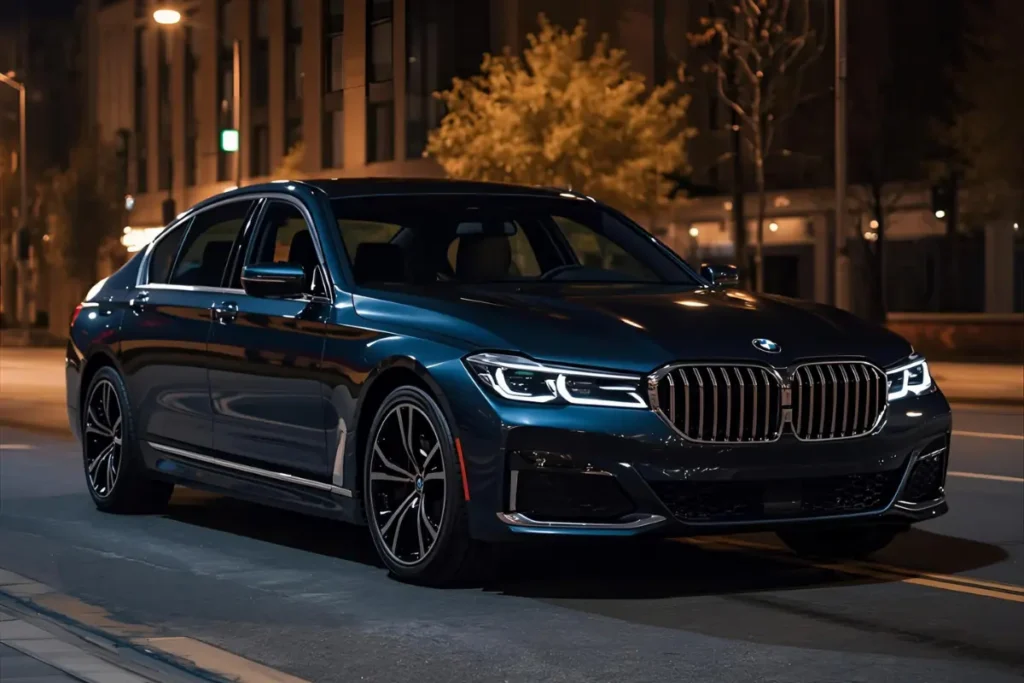
The 2021 BMW 7 Series leverages its long-wheelbase architecture and wide cabin footprint to deliver exceptional passenger space, executive-class comfort and versatile practicality for a flagship sedan. Built on the CLAR platform, the model benefits from efficient packaging, refined seating geometry and well-considered storage solutions. Its expansive interior, tailored rear-seat environment and intuitive layout make the 7 Series ideal for both chauffeur-driven scenarios and extended private journeys.
Front and Rear Seating Space, Legroom Geometry and Passenger Comfort
The long-wheelbase layout provides generous legroom and optimised hip-to-heel geometry. Why does this improve comfort during multi-hour travel? Natural knee alignment and deeper cushioning reduce pressure buildup, supporting a relaxed posture for both front and rear occupants.
Trunk Layout, Loading Structure and Cargo Flexibility
A wide trunk opening and deep cargo floor expand usability for luggage and larger items. How does this benefit real-world practicality? The straight load path and minimal intrusion from suspension components simplify loading, particularly for bulky suitcases or business equipment.
Practicality Snapshot of the 2021 7 Series
- Expansive rear legroom and shoulder width
- Wide trunk aperture with flat, usable floor
- Large door openings for effortless entry
- Multiple storage areas for executive accessories
Rear-Seat Entry, Door Aperture and Executive-Access Convenience
Wide-opening rear doors and low step-over height facilitate seamless ingress and egress. Why is this essential for chauffeur-driven use? Reduced body movement maintains passenger comfort and dignity, especially during frequent stops.
Vehicle Proportions, Manoeuvrability and Urban Navigation
Despite its substantial size, the 7 Series benefits from precise steering and well-calibrated turning geometry. How does this improve urban manoeuvrability? Predictable steering feedback and balanced proportions allow confident positioning in tight spaces.
Long-Distance Spaciousness, Rear-Zone Comfort and Travel Endurance
Advanced reclining seats, massage functions and multi-zone climate control enhance rear-seat comfort during extended journeys. Why does the 7 Series excel as a long-distance vehicle? Consistent temperature control and tailored seating reduce fatigue over time.
Cabin Storage, Layout Efficiency and Everyday Usability
The spacious cabin includes well-integrated compartments for documents, devices and personal items. How does this strengthen daily practicality? Thoughtful placement keeps essential items within easy reach, supporting a clutter-free environment.
Common Issues and Reliability Trends of the 2021 BMW 7 Series
The 2021 BMW 7 Series demonstrates strong reliability thanks to its robust CLAR platform, mature TwinPower Turbo engines and advanced electronic architecture. While overall stability is high, certain trends may appear over extended ownership periods, particularly in models exposed to frequent short trips or extreme climate conditions. These issues are typically minor and manageable through routine diagnostics and preventive maintenance.
Electronic Module Behaviour, Software Variability and Stability Trends
The infotainment and connectivity modules may exhibit occasional latency or momentary freezes. Why does this happen more often in urban cycles? Continuous short-distance trips can cause temporary data-cache buildup, which typically clears after a restart or software update.
Engine Wear Indicators, Intake Cleanliness and Long-Term Durability
Turbocharged engines can develop carbon buildup on intake valves when used predominantly at low temperature or for short journeys. How does this affect drivability? Reduced airflow may cause slight hesitation at low RPM, often resolved after intake cleaning or sustained high-temperature driving.
Reliability Snapshot for the 2021 BMW 7 Series
| Category | Potential Symptom | Likely Cause |
|---|---|---|
| Electronics | Interface lag | Cache saturation or outdated firmware |
| Sensors | Reduced clarity in poor weather | Moisture or glare interference |
| Intake System | Mild hesitation | Carbon accumulation |
| Interior | Subtle trim noise | Material expansion or vibration |
Interior Fitment, Material Expansion and Cabin Noise Patterns
Temperature changes and road-induced vibration can produce minor trim noises over time. Why does this occur even with premium materials? Different material expansion rates cause micro-movement at contact points, generating low-level creaks in harsh environments.
Sensor Sensitivity, Weather Interference and Detection Reliability
Radar and camera systems may experience reduced accuracy in heavy rain or snow. Why do detection patterns vary in these conditions? Water droplets, glare and particulate matter interfere with sensor input, requiring recalibration once conditions normalize.
Maintenance Requirements and Ownership Experience of the 2021 BMW 7 Series
The 2021 BMW 7 Series is engineered for sustained refinement, relying on a structured maintenance schedule that preserves its drivetrain stability, interior quietness and long-distance comfort. Its TwinPower Turbo engines demand clean lubrication and consistent thermal management, while the CLAR platform’s modular layout supports efficient serviceability. When maintained correctly, the 7 Series retains its flagship smoothness and operational calm well into higher mileage.
Maintenance Planning Highlights
- Regular lubrication cycles for turbocharger longevity
- Air and cabin filter replacements to protect airflow quality
- Cooling-system inspections for thermal balance
- Brake-system monitoring for hydraulic stability
- Software updates to reinforce digital-system performance
Scheduled Service Items, Diagnostic Requirements and Preventive Checks
The 7 Series integrates mechanical service with comprehensive digital diagnostics. Why are diagnostics so important in a flagship vehicle? Interconnected modules share operational data, meaning small calibration drifts can influence timing, climate control or driver-assistance performance.
Consumable Wear Patterns, Component Longevity and Usage Influence
Wear rates of tyres, brakes and bushings vary significantly by driving environment. Why does urban use accelerate wear? Frequent braking, tight manoeuvres and repeated warm-up cycles increase component stress, shortening service life compared to long-distance motorway driving.
CLAR Platform Serviceability, Parts Availability and Workshop Efficiency
The modularity of the CLAR platform ensures predictable service procedures and strong parts availability. How does this benefit long-term ownership? Standardised component placement reduces labour time and delivers more consistent maintenance results across workshops.
Long-Term Refinement, Powertrain Stability and Operational Smoothness
The 7 Series maintains its quietness and drivetrain stability even at high mileage when serviced regularly. Why does refinement remain intact? High-grade materials, reinforced mounting points and stable thermal management prevent premature degradation of key comfort components.
Ownership Experience, Ride Quality Preservation and Executive-Class Durability
With proper maintenance, the sedan’s suspension compliance, cabin insulation and steering precision remain remarkably consistent over time. Why is this significant for an executive sedan? Stable refinement ensures that the vehicle continues to deliver a luxury experience throughout its lifespan.
Frequently Asked Questions About 2021 BMW 7 Series
Is the 2021 BMW 7 Series reliable for long-term ownership?
Yes. The model benefits from the rigid CLAR platform, durable TwinPower Turbo engines and a stable electronic architecture. Most issues that appear are minor, such as occasional infotainment lag or sensor interference in severe weather, both of which are easily resolved through routine diagnostics or software updates.
Is the 7 Series comfortable for extended luxury travel?
Absolutely. Enhanced NVH isolation, multi-density seating, spacious rear accommodations and precise climate regulation create a serene environment that remains comfortable even during multi-hour motorway journeys.
Does the 2021 7 Series offer strong real-world fuel efficiency?
For its size and performance, efficiency is competitive. Aerodynamic optimisation, anticipatory coasting, refined throttle mapping and balanced combustion help the sedan maintain stable consumption figures across mixed driving conditions.
What technology features stand out in the 7 Series?
The upgraded iDrive interface, high-resolution digital cluster, refined rear-seat entertainment suite, predictive navigation and high-fidelity DSP audio system represent key highlights. These systems combine speed, clarity and luxurious usability.
Are there common issues owners should be aware of?
Minor issues such as infotainment lag, trim noises in extreme conditions or sensor performance drops in bad weather can occur. These are typically low-impact concerns resolved with routine service or environmental normalisation.
How practical is the 7 Series for everyday executive use?
Very practical. With wide-opening doors, expansive cabin space, a deep trunk layout and intuitive interface design, the 7 Series adapts smoothly to daily commuting, business transport and airport transfers.
Which maintenance habits best preserve engine longevity?
Regular oil changes, controlled warm-up cycles and periodic high-temperature driving help maintain intake cleanliness and turbocharger durability. These habits reduce mechanical stress and support long-term smoothness.
Is the 7 Series manageable in city driving despite its size?
Yes. Predictable steering, well-judged turning geometry and refined low-speed behaviour make it surprisingly manageable in tight urban environments. Assistance features further improve city manoeuvring.