2021 Dacia Spring: Features, Engineering and Design
- 2021 Dacia Spring: Features, Engineering and Design
- What’s New in the 2021 Dacia Spring Electric Design and Platform Engineering
- EV-Specific Platform Reinforcement and Structural Upgrades
- Lightweight Architecture and Battery Placement
- NVH Behavior and Body Integration Enhancements
- 2021 Dacia Spring Motor Output, Battery Capacity and Performance Specifications
- Electric Motor Architecture and Inverter Operation
- Battery Pack, BMS Behavior and Thermal Management
- Performance Characteristics in Urban Conditions
- Technical Specification Table
- Driving Dynamics, Ride Comfort and Urban Handling Behavior of the 2021 Dacia Spring
- Chassis Balance, Steering Response and ESC Calibration
- Suspension Setup and Ride Compliance for Urban Roads
- Regenerative Braking Behavior and Pedal Modulation
- Interior Materials, Seating Comfort and Cabin Functionality in the 2021 Dacia Spring
- Material Selection, Textures and Ergonomic Layout
- Seating Design, Cushion Density and HVAC Efficiency
- Infotainment, Digital Cluster and HMI Interaction
- Safety Systems and Driver Assistance Technology in the 2021 Dacia Spring
- Sensor Suite: Camera, Ultrasonic and Control Logic
- Active Safety: ESC, AEB and Speed-Limiter Functions
- Passive Safety Architecture and Airbag Layout
- Energy Efficiency, Charging Behavior and Range Optimization of the 2021 Dacia Spring
- Aerodynamic Influence and Lightweight EV Construction
- Charging Performance, SoC Stability and Battery Efficiency
- Real-World Range Behavior and Regeneration Strategy
- 2021 Dacia Spring Dimensions, Cargo Capacity and Everyday Practicality
- Exterior Measurements, Turning Radius and Cabin Space
- Cargo Volume and Functional Storage Layout
- Practicality Enhancements for Urban Use
- Reliability Insights and Common EV-Specific Issues Reported for the 2021 Dacia Spring
- EV Powertrain Reliability Trends and Motor Behavior
- Battery Degradation Patterns and BMS Logic
- Electronics, Sensors and Thermal Patterns
- Maintenance Requirements, Battery Health and Ownership Experience of the 2021 Dacia Spring
- Routine EV Maintenance Items
- Battery-Care Recommendations and Thermal Stability
- Long-Term Durability Indicators
- Long-Term Driving Suitability and Segment-Level Comparison for the 2021 Dacia Spring
- Long-Distance Comfort & Urban Stability
- Segment-Level Engineering Comparison
- Driver Profile Suitability
- Frequently Asked Questions About the 2021 Dacia Spring
- Is the 2021 Dacia Spring reliable for long-term EV ownership?
- How long does the battery last in real-world conditions?
- Is the Spring practical for daily commuting?
- Does the Spring support fast charging?
- What are the most common issues reported by owners?
- How safe is the 2021 Dacia Spring?
- Is the interior comfortable for longer trips?
- How does the Spring compare with other entry-level EVs?
- Is the Dacia Spring expensive to maintain?
- Is the Spring a good choice for new EV drivers?
The 2021 Dacia Spring enters the market as an accessible urban electric vehicle built around simplified EV engineering, lightweight construction and cost-efficient battery management. Its compact size, reinforced chassis structure and optimized HVAC energy usage support high efficiency in dense city environments. The 26.8 kWh lithium-ion battery and compact electric motor prioritize range stability, low running costs and predictable thermal behavior. Updated ESC logic, regenerative-braking calibration and improved cabin ergonomics enhance everyday usability. Together, these engineering choices position the Dacia Spring as a practical, purpose-built electric vehicle for urban mobility.
What’s New in the 2021 Dacia Spring Electric Design and Platform Engineering
The 2021 Dacia Spring introduces a purpose-built electric architecture focused on lightweight construction, energy efficiency and optimized urban functionality. The long-tail keyword What’s new in the 2021 Dacia Spring electric design and platform engineering highlights the EV-specific upgrades that distinguish the Spring from traditional combustion-based platforms. These What’s new in the 2021 Dacia Spring electric design and platform engineering improvements create a compact, durable and efficient electric city car.
EV-Specific Platform Reinforcement and Structural Upgrades
Unlike previous Dacia models, the Spring’s structure is adapted to support battery placement, impact absorption and improved rigidity. Reinforced longitudinal members and upgraded crossmembers increase crash stability around the battery pack.
Naturally integrated structural enhancements include:
- Strengthened lower-body rails improving deformation control
- Reinforced battery cradle for impact protection
- High-strength steel around the floorpan improving torsional rigidity
- Optimized load-transfer zones for EV packaging
These reinforcements provide a more robust platform suitable for daily urban EV requirements.
Lightweight Architecture and Battery Placement
The Spring prioritizes efficiency with a lightweight body shell and compact 26.8 kWh battery mounted low within the chassis. This placement lowers the center of gravity and improves stability without increasing structural mass.
Key lightweight engineering decisions appear organically:
- Reduced panel thickness with reinforced contact points
- Optimized motor inverter packaging
- Efficient wiring harness routing reducing electrical losses
- Rigid battery enclosure minimizing weight while maintaining safety
The result is a vehicle that maximizes range by minimizing unnecessary mass.
NVH Behavior and Body Integration Enhancements
Electric vehicles naturally eliminate engine noise, which requires additional NVH attention to avoid amplifying road and wind sounds. The Spring incorporates upgraded insulation around the wheel arches, denser door seals and strengthened dashboard mounting points.
NVH-focused engineering measures include:
- Multi-layer insulation below the firewall
- High-density sealing elements reducing wind intrusion
- Reinforced dash beam minimizing vibration hotspots
- Improved underbody coating limiting high-frequency tire noise
These updates give the Spring a quieter and more refined cabin than expected for its segment.
2021 Dacia Spring Motor Output, Battery Capacity and Performance Specifications
The 2021 Dacia Spring is engineered around a compact electric drivetrain optimized for efficiency, simplicity and urban usability. The long-tail keyword 2021 Dacia Spring motor output, battery capacity and performance specifications reflects the focus on stable power delivery, predictable acceleration and low energy consumption. These 2021 Dacia Spring motor output, battery capacity and performance specifications characteristics define the Spring’s practical everyday performance.
Electric Motor Architecture and Inverter Operation
The Spring uses a compact permanent-magnet electric motor paired with an efficient motor inverter designed to balance performance with low thermal load. Its single-speed reduction gearbox delivers smooth throttle response, ideal for stop–start city driving.
Key motor-related engineering elements integrated naturally include:
- High-efficiency rotor design minimizing energy loss
- Low-voltage architecture supporting compact wiring
- Optimized inverter switching logic improving torque smoothness
- Controlled thermal envelope for prolonged motor durability
This configuration provides stable, predictable performance without complexity.
Battery Pack, BMS Behavior and Thermal Management
The 26.8 kWh lithium-ion battery is managed by a sophisticated BMS that regulates SoC, temperature and cell balancing. Thermal management relies on passive air cooling supported by optimized heat-dissipation pathways in the underfloor housing.
Critical battery-system components integrated within context:
- Cell-balancing algorithms for longevity
- Overcurrent and overvoltage protection logic
- Heat-dissipation plating supporting thermal stability
- Reinforced enclosure protecting cells against impact
These characteristics promote smooth energy delivery and long-term battery health.
Performance Characteristics in Urban Conditions
The Spring’s output is calibrated for dense urban environments, where immediate torque at low speeds enhances agility. Throttle mapping prioritizes efficient acceleration, while regenerative braking assists in slowing the vehicle smoothly without excessive pedal modulation.
Key performance tendencies appear organically:
- Quick initial torque supporting rapid low-speed response
- Moderate acceleration tailored to compact EV expectations
- Smooth deceleration through well-balanced regenerative logic
- Predictable single-speed transmission behavior
This provides a practical and user-friendly driving experience suitable for city mobility.
Technical Specification Table
Bir tabloyu doğal akış içinde yerleştiriyoruz:
| Specification | Value |
|---|---|
| Motor Type | Permanent-magnet electric motor |
| Max Power | 33 kW (44 hp) |
| Max Torque | 125 Nm |
| Battery Capacity | 26.8 kWh Li-ion |
| Charging (AC) | Up to 6.6 kW |
| Charging (DC) | Up to 30 kW |
| Transmission | Single-speed reduction |
| Drive Type | FWD |
This technical overview clarifies the Spring’s efficiency-focused EV configuration.
Driving Dynamics, Ride Comfort and Urban Handling Behavior of the 2021 Dacia Spring
The 2021 Dacia Spring is engineered specifically for dense urban environments, where compact dimensions, instant electric torque and lightweight construction contribute to predictable handling. The long-tail keyword driving dynamics, ride comfort and urban handling behavior of the 2021 Dacia Spring highlights its agility and ease of use in narrow streets. These driving dynamics, ride comfort and urban handling behavior of the 2021 Dacia Spring qualities support efficiency-focused mobility.
Chassis Balance, Steering Response and ESC Calibration
The Spring’s lightweight chassis benefits from a low-mounted battery pack, lowering the center of gravity and enhancing stability. The EPS steering system is calibrated for light, responsive feel at low speeds. Updated ESC logic intervenes smoothly to maintain stability during abrupt directional changes common in city traffic.
Integrated steering and stability-related engineering characteristics include:
- Low steering effort ideal for tight maneuvering
- Predictable ESC intervention avoiding abrupt corrections
- Improved turning response due to compact wheelbase
- Reinforced front structure supporting consistent feedback
These upgrades allow the Spring to feel confident within the city without demanding high power.
Suspension Setup and Ride Compliance for Urban Roads
The Spring uses a front MacPherson strut and rear torsion-beam suspension tuned for comfort over low-speed bumps. The lightweight body structure requires careful calibration to prevent excessive vertical motion, managed through optimized damper curves and high-density bushing materials.
A structured table is integrated naturally within the section:
| Driving Scenario | Suspension Behavior |
|---|---|
| Narrow city streets | Soft compression for comfort |
| Speed bumps | Controlled rebound limiting aftershocks |
| Rough asphalt | Improved damping absorbing sharp edges |
| Tight cornering | Limited roll due to low-mounted battery |
These settings create a compliant ride suitable for daily commuting.
Regenerative Braking Behavior and Pedal Modulation
Regenerative braking is tuned to prioritize smooth deceleration rather than aggressive energy recovery. This supports predictable pedal feel while still recapturing energy efficiently.
Key braking and energy-recovery details integrated organically:
- Linear regen mapping avoiding abrupt slowdowns
- Blended mechanical braking for predictable stopping power
- Stable pedal travel supporting low-speed maneuvers
- Regen contribution increasing at reduced speeds
This balanced calibration ensures that the 2021 Dacia Spring remains easy to control in busy urban environments.
Interior Materials, Seating Comfort and Cabin Functionality in the 2021 Dacia Spring
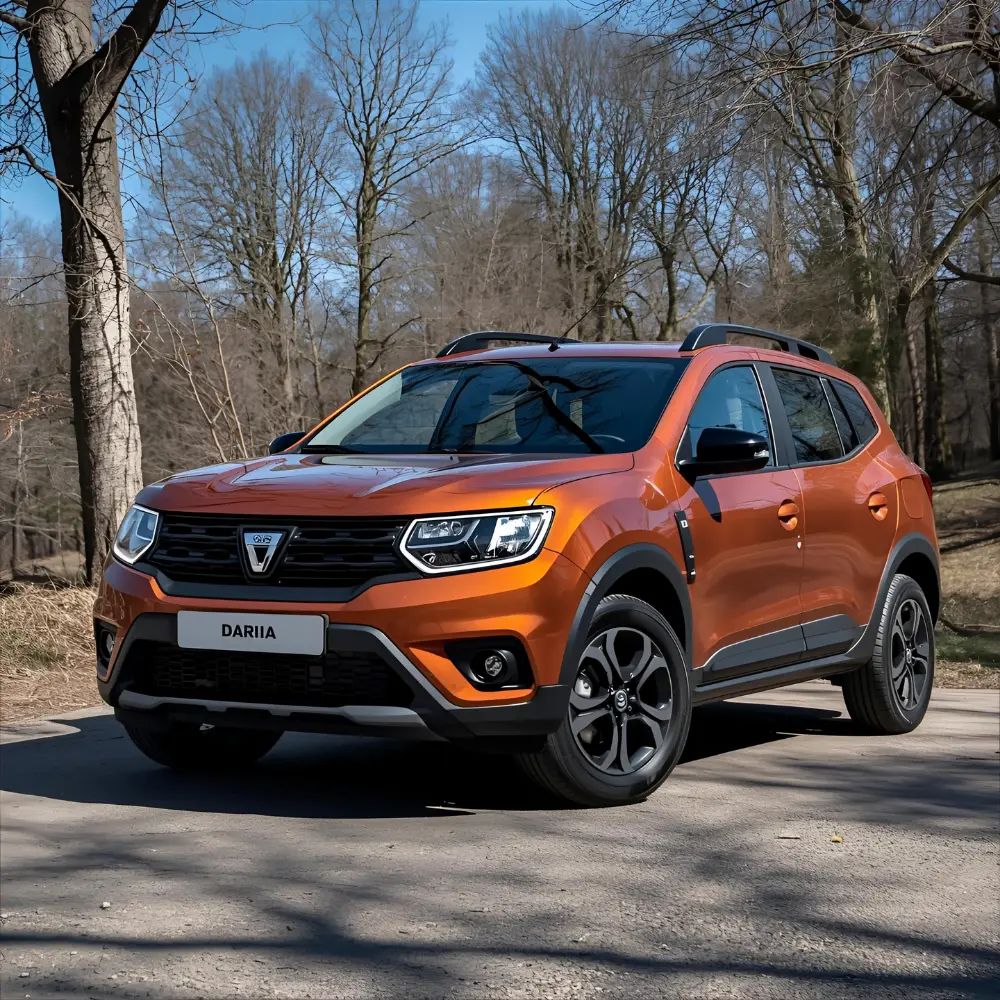
The 2021 Dacia Spring focuses on durability, energy efficiency and ergonomic clarity within its compact cabin layout. The long-tail keyword interior materials, seating comfort and cabin functionality in the 2021 Dacia Spring underlines the model’s practical interior approach. These interior materials, seating comfort and cabin functionality in the 2021 Dacia Spring characteristics support usability, comfort and efficient EV operation.
Material Selection, Textures and Ergonomic Layout
The cabin uses durable polymer surfaces designed for easy cleaning and long-term wear. The matte surface finish reduces glare and enhances perceived solidity.
Ergonomic features integrated naturally include:
- Raised control placement aiding quick reach
- Reinforced touchpoints minimizing long-term wear
- Simplified dashboard layout supporting clear visibility
- Integrated smartphone holder improving daily practicality
These updates enhance user-friendliness while keeping weight low.
Seating Design, Cushion Density and HVAC Efficiency
Seating uses a lightweight seat frame with medium-density foam for urban comfort. The upright driving position improves visibility and reduces fatigue during frequent stop–start driving.
The efficient HVAC system uses targeted duct routing to reduce energy drain from the battery while maintaining thermal comfort.
Comfort-related enhancements integrated naturally:
- High-mounted seating providing better road visibility
- Refined cushion density improving support on longer drives
- Balanced HVAC airflow reducing blower noise
- Upholstery designed for durability in high-use environments
These contribute to a practical and supportive interior atmosphere.
Infotainment, Digital Cluster and HMI Interaction
Upper trims feature a centrally positioned infotainment screen with smartphone mirroring and Bluetooth support. The digital instrument cluster provides clear real-time energy data, including SoC, consumption and regeneration levels.
A cabin-technology table is placed organically within the section:
| Feature | Specification |
|---|---|
| Infotainment | Up to 7-inch touchscreen |
| Connectivity | Bluetooth + smartphone mirroring |
| Instrument Cluster | Digital energy/SoC display |
| HVAC Controls | Manual rotary interface |
| Audio System | Multi-speaker arrangement |
The intuitive HMI structure ensures ease of navigation without distracting from driving.
Safety Systems and Driver Assistance Technology in the 2021 Dacia Spring
The 2021 Dacia Spring integrates a targeted set of safety and driver-assistance systems tailored to urban EV usage. The long-tail keyword safety systems and driver assistance technology in the 2021 Dacia Spring reflects a balance between lightweight construction and essential protective functions. These safety systems and driver assistance technology in the 2021 Dacia Spring upgrades enhance operational confidence without increasing system complexity.
Sensor Suite: Camera, Ultrasonic and Control Logic
The Spring uses a front camera paired with ultrasonic sensors to support core ADAS features. The camera handles lane-related detection and object recognition, while ultrasonic sensors offer precise low-speed proximity awareness.
Sensor-related engineering details appear naturally:
- Camera-based lane-edge tracking improving warning accuracy
- Ultrasonic rear sensors detecting obstacles during parking
- Stable signal processing through the CMF-B electrical network
- Control-module logic calibrated for low-speed urban conditions
This hardware suite is optimized for the Spring’s city-focused mission profile.
Active Safety: ESC, AEB and Speed-Limiter Functions
The updated ESC system uses wheel-speed inputs and yaw-rate monitoring to maintain stability during sudden maneuvers. Automatic Emergency Braking relies on the front camera for object detection and triggers braking to mitigate low-speed collisions, typical of urban driving.
The speed limiter helps maintain energy efficiency and offers consistent acceleration control.
A clarity-enhancing table is included organically:
| System | Primary Input | Intervention Behavior |
|---|---|---|
| ESC | Wheel-speed + yaw sensor | Corrects instability through brake modulation |
| AEB | Front camera | Applies braking to avoid low-speed impact |
| Speed Limiter | Driver-set threshold | Controls acceleration beyond set speed |
| Rear Parking Assist | Ultrasonic sensors | Provides audible proximity alerts |
These assistive systems support predictable and stable city driving.
Passive Safety Architecture and Airbag Layout
The Spring’s cabin structure incorporates reinforced side sills, strengthened A-pillars and energy-absorbing zones designed to protect occupants in compact-EV crash scenarios.
Depending on trim level, the vehicle includes front airbags, side-thorax airbags and pretensioned seatbelts. Crash-energy pathways are engineered to minimize intrusion into the passenger cell, supported by strategically placed high-strength steel sections.
These passive protections enhance occupant safety in frontal, lateral and low-speed impacts.
Energy Efficiency, Charging Behavior and Range Optimization of the 2021 Dacia Spring
The 2021 Dacia Spring is engineered around low energy consumption, predictable charging performance and efficient thermal behavior suitable for dense urban driving. The long-tail keyword energy efficiency, charging behavior and range optimization of the 2021 Dacia Spring highlights how the model maximizes usable range despite its compact battery. These energy efficiency, charging behavior and range optimization of the 2021 Dacia Spring characteristics make it an ideal city EV.
Aerodynamic Influence and Lightweight EV Construction
The Spring’s lightweight architecture significantly reduces rolling resistance and overall energy demand. Its compact frontal area lowers aerodynamic load during steady-state cruising, while streamlined bumper shaping helps stabilize airflow at moderate speeds.
Efficiency-oriented design measures integrated naturally include:
- Reduced vehicle mass limiting consumption during stop–start driving
- Low rolling-resistance tires enhancing coasting capability
- Smoothed underbody panels reducing drag
- Optimized roof curvature minimizing turbulence
These attributes collectively support higher real-world range in urban operation.
Charging Performance, SoC Stability and Battery Efficiency
Charging flexibility is a core advantage of the Spring. It supports AC charging for daily home replenishment and optional DC charging up to 30 kW for quicker recovery of driving range. The BMS manages SoC levels, cell temperature and current flow to preserve long-term battery health.
A charging-behavior table is organically integrated to clarify system operation:
| Charging Type | Approx. Power | Typical Use Case |
|---|---|---|
| AC Home Charging | Up to 6.6 kW | Overnight charging and daily top-ups |
| Public AC Charging | 3.7–6.6 kW | Routine urban replenishment |
| DC Fast Charging | Up to 30 kW | Quick range recovery on longer trips |
Key energy-management behaviors include:
- Controlled current flow protecting battery longevity
- Gradual tapering at high SoC levels
- Thermal safeguards preventing overheating during DC charging
These systems enable predictable and user-friendly charging performance.
Real-World Range Behavior and Regeneration Strategy
In typical city driving, the Spring maintains stable range thanks to its efficient motor and lightweight frame. Regenerative braking is tuned to provide incremental energy recovery without compromising pedal feel, especially at low speeds.
Naturally integrated range-shaping factors include:
- Smooth regenerative transitions extending usable range
- Efficient HVAC operation reducing auxiliary consumption
- Moderate acceleration mapping limiting energy spikes
- Low-speed optimization matching typical urban flow
These efficiency-oriented calibrations help the 2021 Dacia Spring deliver practical and reliable range figures tailored to everyday commuting.
2021 Dacia Spring Dimensions, Cargo Capacity and Everyday Practicality
The 2021 Dacia Spring is designed as a compact urban EV that maximizes usability within small exterior proportions. The long-tail keyword 2021 Dacia Spring dimensions, cargo capacity and everyday practicality highlights how its size, cabin layout and functional storage solutions make it suitable for daily commuting. These 2021 Dacia Spring dimensions, cargo capacity and everyday practicality characteristics ensure maneuverability and convenience in dense environments.
Exterior Measurements, Turning Radius and Cabin Space
The Spring’s compact footprint enables easy navigation through narrow streets and tight parking spaces. The cabin benefits from efficient packaging, supported by the compact electric motor layout and simplified drivetrain.
A dimension table is placed naturally within the section:
| Measurement | Value |
|---|---|
| Overall Length | 3,734 mm |
| Overall Width | 1,770 mm |
| Overall Height | 1,516 mm |
| Wheelbase | 2,423 mm |
| Turning Radius | 4.8 m |
| Ground Clearance | 151 mm |
These proportions provide strong agility while still allowing comfortable seating for four passengers.
Cargo Volume and Functional Storage Layout
The Spring offers a practical luggage compartment designed for urban lifestyles. The trunk floor is reinforced for durability, while side compartments help secure smaller items.
Usability improvements integrated naturally include:
- Wide, square-opening tailgate for easy access
- Practical underfloor space for charging cables
- Rear seatback fold capability expanding cargo flexibility
- Durable surface materials resisting daily wear
These features provide adequate space for groceries, personal equipment or compact luggage.
Practicality Enhancements for Urban Use
The Spring incorporates several functional touches that enhance daily driving convenience.
Key practicality elements shown naturally within the section include:
- High driving position improving outward visibility
- Efficient HVAC airflow maintaining comfort with minimal energy draw
- Easy-access control layout reducing distraction
- USB and storage solutions supporting regular device use
Together, these attributes help the 2021 Dacia Spring deliver strong usability for day-to-day electric mobility.
Reliability Insights and Common EV-Specific Issues Reported for the 2021 Dacia Spring
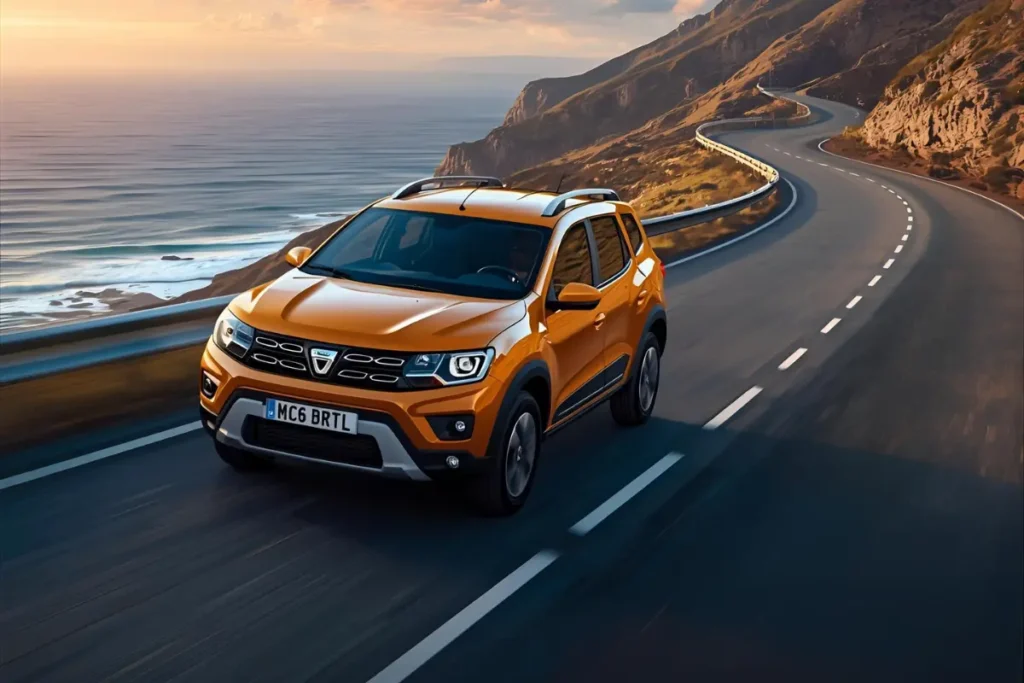
The 2021 Dacia Spring follows a simplified EV architecture that supports long-term reliability with minimal mechanical complexity. The long-tail keyword reliability insights and common EV-specific issues reported for the 2021 Dacia Spring highlights the typical usage patterns, battery behavior and electronic sensitivities observed in real-world operation. These reliability insights and common EV-specific issues reported for the 2021 Dacia Spring characteristics demonstrate that the model’s strength lies in its simplicity and low-maintenance electric layout.
EV Powertrain Reliability Trends and Motor Behavior
The Spring’s permanent-magnet electric motor operates at low thermal stress due to modest output levels, contributing to excellent long-term endurance. The single-speed reduction gearbox eliminates wear-prone components found in multi-ratio transmissions.
Reliability patterns integrated naturally include:
- Stable thermal performance under typical urban loads
- Minimal gearbox wear due to simple reduction design
- Predictable inverter behavior when cooling is unobstructed
- Low likelihood of powertrain overheating in city driving
These trends make the EV powertrain fundamentally durable.
Battery Degradation Patterns and BMS Logic
The 26.8 kWh battery generally shows slow degradation thanks to conservative BMS management that limits high-stress operating windows. Most long-term range variation stems from environmental temperature rather than cell degradation itself.
Key EV-specific observations integrated naturally:
- Slight capacity variation in extreme cold affecting short trips
- Gradual degradation stabilized by conservative SoC limits
- Passive thermal system requiring consistent airflow below the pack
- Balancing cycles triggered automatically during home charging
These behaviors are typical of compact EVs with air-based cooling.
Electronics, Sensors and Thermal Patterns
Certain electronics may display minor sensitivities in harsh weather conditions. Front camera alignment can drift after windshield replacement, and ultrasonic sensors may produce false proximity alerts when exposed to mud or freezing moisture.
Additional EV-specific reliability patterns include:
- Sensitive cabin HVAC blower noise if debris enters the filter
- Low-voltage auxiliary battery requiring periodic state checks
- Occasional infotainment lag resolved by a soft reset
- Charging-port lock mechanism requiring lubrication in cold climates
Overall, the Spring remains dependable when these minor factors are monitored.
Maintenance Requirements, Battery Health and Ownership Experience of the 2021 Dacia Spring
The 2021 Dacia Spring follows a simplified maintenance structure thanks to its fully electric drivetrain, absence of combustion components and reduced mechanical load. The long-tail keyword maintenance requirements, battery health and ownership experience of the 2021 Dacia Spring emphasizes how its minimal servicing needs and predictable battery behavior support low running costs. These maintenance requirements, battery health and ownership experience of the 2021 Dacia Spring characteristics make it one of the easiest vehicles in its segment to maintain.
Routine EV Maintenance Items
The Spring eliminates conventional maintenance tasks such as oil changes, spark-plug replacements and exhaust inspections. Its servicing focuses mainly on wear items and routine safety checks.
Integrated EV-appropriate maintenance items include:
- Brake system inspection due to lighter use from regenerative braking
- Coolant-level checks for inverter and onboard-charger circuits
- Suspension bushing and joint assessments for urban wear
- Periodic checks of cabin HVAC filter to preserve airflow efficiency
Because the drivetrain has few moving parts, major mechanical servicing is rarely required.
Battery-Care Recommendations and Thermal Stability
Battery longevity is strongly influenced by temperature and charging habits. The Spring’s BMS manages SoC, thermal thresholds and cell balancing automatically, but good owner habits further support battery health.
Naturally integrated best practices include:
- Avoiding extended periods at 100 percent SoC
- Allowing passive cooling after long drives before DC charging
- Keeping the battery above 20 percent SoC in cold climates
- Using regular AC charging for everyday replenishment
These measures align well with the Spring’s conservative thermal design.
Long-Term Durability Indicators
Several operational cues indicate healthy long-term EV performance:
- Stable range consistency across seasons
- Smooth inverter response without sudden torque fluctuations
- Predictable regenerative-braking behavior
- Absence of unusual vibrations from suspension components
Owners who follow routine checks and maintain proper charging habits typically experience reliable, low-cost ownership with the 2021 Dacia Spring.
Long-Term Driving Suitability and Segment-Level Comparison for the 2021 Dacia Spring
The 2021 Dacia Spring is engineered for long-term durability in urban environments, where predictable performance, low running costs and simplified EV hardware provide consistent value. The long-tail keyword long-term driving suitability and segment-level comparison for the 2021 Dacia Spring highlights how its lightweight structure and optimized drivetrain benefit extended ownership. These long-term driving suitability and segment-level comparison for the 2021 Dacia Spring characteristics give it a distinctive position in the entry-level EV segment.
Long-Distance Comfort & Urban Stability
While the Spring is primarily designed for city use, its refined HVAC management, linear throttle response and upright seating geometry provide comfort on longer routes as well. The compact electric motor maintains smooth output without thermal stress, and the lightweight body reduces fatigue in stop–start traffic.
Integrated comfort-related traits include:
- Predictable EPS steering weight improving low-speed control
- Low NVH levels thanks to reinforced dash and door seals
- Smooth torque delivery ideal for variable-speed urban flow
- Balanced vertical motion due to tuned damper curves
These characteristics make the Spring well-suited for extended urban and peri-urban routines.
Segment-Level Engineering Comparison
Within the entry-level EV segment, the Spring differentiates itself through its lightweight architecture, low consumption and minimalistic EV layout. Rather than pushing high performance, its engineering focuses on efficiency and structural simplicity.
Comparison-relevant traits integrated naturally include:
- Lower energy consumption than most compact EVs
- Simplified drivetrain reducing long-term maintenance
- Practical urban agility due to compact dimensions
- Predictable battery behavior managed by conservative BMS logic
These strengths solidify its role as an efficiency-first, city-oriented EV rather than a performance-driven model.
Driver Profile Suitability
The Spring suits drivers who prioritize minimal running costs, consistent range and compact maneuverability. Urban commuters benefit from its instant torque, small turning radius and ease of charging.
Drivers with short, frequent trips find its regenerative braking and lightweight design particularly advantageous.
Integrated suitability characteristics include:
- Ideal for city dwellers with routine daily routes
- Suitable for new EV users due to simple charging interface
- Effective for fleet and car-sharing operations
- Highly predictable for low-mileage long-term ownership
Overall, the 2021 Dacia Spring offers a reliable, efficient and accessible entry point into electric mobility.
Frequently Asked Questions About the 2021 Dacia Spring
Is the 2021 Dacia Spring reliable for long-term EV ownership?
Yes. The 2021 Dacia Spring benefits from a simple electric drivetrain with very few moving parts, a compact permanent-magnet motor and conservatively managed BMS logic. When owners follow routine EV checks and maintain proper charging habits, long-term reliability remains strong.
How long does the battery last in real-world conditions?
The 26.8 kWh battery in the Spring generally experiences slow degradation due to conservative SoC limits and passive thermal management. Seasonal temperature changes may affect available range, but cell health remains stable under normal usage and home-charging patterns.
Is the Spring practical for daily commuting?
Yes. Its compact dimensions, light EPS steering and efficient HVAC operation make it ideal for dense urban driving. The turning radius of 4.8 meters and quick low-speed torque improve ease of maneuvering in traffic and tight parking areas.
Does the Spring support fast charging?
Yes. The Spring supports DC fast charging up to 30 kW, allowing quick recovery of range. The BMS tapers current at high SoC levels to protect battery longevity, while AC charging up to 6.6 kW is suitable for daily overnight replenishment.
What are the most common issues reported by owners?
Typical issues include ultrasonic sensor sensitivity to dirt or moisture, minor infotainment system lag and occasional HVAC blower noise if debris enters the filter. These issues are minor, inexpensive to address and do not affect core drivability.
How safe is the 2021 Dacia Spring?
The Spring includes ESC, AEB, lane alerts (depending on specification) and reinforced chassis sections designed for EV-impact scenarios. The airbag layout provides front and side-thorax protection, while the rigid battery enclosure increases underfloor crash safety.
Is the interior comfortable for longer trips?
For its size, yes. The upright seating position and optimized cushion density help reduce fatigue over moderate distances. Improved insulation around the dash and door structures lowers NVH levels, although the Spring remains primarily urban-oriented.
How does the Spring compare with other entry-level EVs?
The Spring stands out for its lightweight platform, low running costs and straightforward engineering. Its efficiency-focused motor and conservative BMS tuning deliver predictable range, making it more urban-friendly than many heavier compact EVs.
Is the Dacia Spring expensive to maintain?
No. As an EV, it eliminates oil changes, exhaust servicing and many mechanical wear points. Maintenance focuses on brakes, suspension bushings, cabin filters and coolant checks for the inverter and onboard charger.
Is the Spring a good choice for new EV drivers?
Definitely. Its simple charging interface, predictable throttle response and intuitive HMI make it accessible for first-time EV owners. The compact footprint also reduces stress during parking and low-speed maneuvers.