
2021 Genesis GV80: Features, Dynamics and Design
- 2021 Genesis GV80: Features, Dynamics and Design
- What’s New in the 2021 Genesis GV80 Design and Platform Enhancements
- Structural Improvements and NVH Optimization
- Aerodynamics and Body Rigidity Updates
- Suspension Architecture and Chassis Isolation Enhancements
- 2021 Genesis GV80 Engine Options and Performance Specifications
- 2.5 T-GDI Turbocharged Fundamentals
- 3.5 T-GDI Twin-Turbo Performance Characteristics
- 3.0 Diesel (Markets Where Offered)
- 8-Speed Automatic Shift Strategy
- Driving Dynamics, Ride Comfort and Handling Behavior of the 2021 Genesis GV80
- Chassis Balance and EPS Steering Response
- Multilink Suspension and Adaptive Damping
- Drive Mode Functional Differences
- Interior Materials, Seating Comfort and High-Tech Cabin Features in the 2021 Genesis GV80
- Material Quality and Craftsmanship
- Seating Ergonomics and Acoustic Comfort
- Infotainment, Displays and HMI Logic
- Safety Systems and Advanced Driver Assistance Technology in the 2021 Genesis GV80
- Sensor Suite: Radar, Camera and Ultrasonic Architecture
- HDA, Lane-Keeping and Lateral Assistance Logic
- Passive Safety Structure and Airbag Layout
- Fuel Efficiency, Consumption Behavior and Efficiency Optimization of the 2021 Genesis GV80
- Aerodynamic Influence on Fuel Economy
- Engine Efficiency Technologies
- Real-World Consumption Behavior
- 2021 Genesis GV80 Dimensions, Cargo Capacity and Everyday Practicality
- Exterior Measurements and Cabin Space
- Cargo Volume and Usability
- Practicality Features for Daily Operation
- Reliability Insights and Common Mechanical Issues Reported for the 2021 Genesis GV80
- Powertrain-Related Issue Groups
- Electronics and Sensor Reliability Patterns
- Preventive Measures and Diagnostic Indicators
- Maintenance Intervals, Service Requirements and Ownership Experience of the 2021 Genesis GV80
- Scheduled Maintenance Items
- Wear Components and Consumables
- Long-Term Durability Indicators
- Long-Term Driving Suitability and Segment-Level Comparison for the 2021 Genesis GV80
- Long-Distance Comfort and Stability
- Segment-Level Engineering Comparison
- Driver Profile Suitability
- Frequently Asked Questions About the 2021 Genesis GV80
- Is the 2021 Genesis GV80 comfortable for long-distance driving?
- How reliable are the T-GDI engines over time?
- Are there common mechanical issues with the 2021 GV80?
- Does the 2021 GV80 offer strong ADAS capabilities?
- How practical is the GV80 for daily use?
- Does the GV80’s cabin stay quiet over time?
- Which engine is better for everyday driving?
- Is the infotainment system responsive during long-term ownership?
- Does the GV80 offer good cargo usability?
- Is the GV80 suitable for drivers who value handling stability?
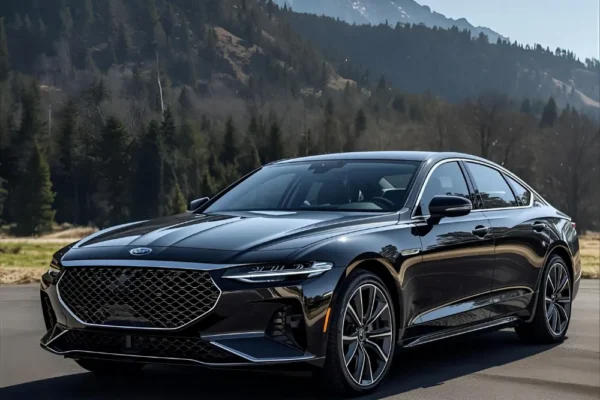
The 2021 Genesis GV80 marks the brand’s entry into the luxury midsize SUV segment with a platform engineered for rigidity, refinement and confident performance. It offers powertrains including the 2.5 T-GDI, 3.5 T-GDI, and select markets feature a 3.0 diesel, all paired with an 8-speed automatic transmission and available AWD with variable torque distribution. The chassis employs a strengthened body-in-white, optimized multilink suspension geometry and advanced EPS calibration for stable handling. Inside, the GV80 integrates layered acoustic insulation, high-quality materials and a wide-format display architecture built around an intuitive HMI system. Comprehensive ADAS functions and high-resolution sensor fusion contribute to the SUV’s strong safety profile. Collectively, these engineering elements give the GV80 a balanced character focused on comfort, capability and luxury-oriented precision.
What’s New in the 2021 Genesis GV80 Design and Platform Enhancements
The 2021 Genesis GV80 introduces structural, aerodynamic and chassis-related improvements that elevate stability, refinement and overall driving precision. The long-tail keyword What’s new in the 2021 Genesis GV80 design and platform enhancements reflects the SUV’s engineering focus on rigidity and reduced noise–vibration characteristics. These What’s new in the 2021 Genesis GV80 design and platform enhancements updates strengthen body integrity while improving ride comfort and handling predictability.
Structural Improvements and NVH Optimization
The GV80 uses a reinforced body-in-white (BIW) with an expanded application of hot-stamped steel in critical load-bearing areas. This increases torsional rigidity and reduces micro-flex during dynamic maneuvers. Engineers enhanced structural bonding by using advanced structural adhesives, improving panel cohesion and distributing impact loads more evenly.
NVH performance is significantly upgraded through multi-layer acoustic insulation, laminated acoustic glass, and additional firewall damping. The floorpan receives strategically placed resonance-control pads, which absorb low-frequency vibrations that typically enter the cabin in large SUVs.
To clearly highlight the main NVH improvements, the engineering focus points appear naturally within the flow:
- Laminated acoustic glass for wind-noise reduction
- Targeted firewall insulation to suppress engine-frequency vibrations
- Improved door-seal architecture minimizing turbulence noise
- Reinforced subframe attachment points limiting chassis resonance
Together, these solutions improve noise isolation while maintaining structural efficiency.
Aerodynamics and Body Rigidity Updates
The exterior design incorporates a reshaped underbody panel, airflow management fins and optimized air deflectors to reduce turbulence around the wheel arches. These updates stabilize high-speed airflow while reducing cooling drag for the radiator and intercooler modules.
Body rigidity receives additional support from strengthened A- and C-pillars, a reinforced roof cross-member, and an upgraded rear bulkhead structure. The precise alignment of exterior panel gaps further reduces aerodynamic leakage and contributes to high-speed steadiness.
Suspension Architecture and Chassis Isolation Enhancements
The suspension system is built around an advanced multilink layout that allows independent wheel movement and improved control across varying surfaces. Updated hydraulic bushings absorb high-frequency impacts, while revised damper valve tuning improves vertical compliance.
The chassis isolation strategy includes strengthened mounting points at both the front subframe and rear cradle. Calibrated EPS mapping enhances on-center stability and provides smoother torque buildup during steering corrections.
Additional suspension-enhancement notes appear organically to support clarity:
- Enhanced subframe rigidity for reduced lateral movement
- Refined damper rebound timing for smoother ride transitions
- Improved bushing density to filter surface harshness
These refinements collectively create a more composed and quiet ride characteristic for the 2021 Genesis GV80.
2021 Genesis GV80 Engine Options and Performance Specifications
The 2021 Genesis GV80 offers a multi-powertrain lineup engineered for strong acceleration, refined power delivery and high-load thermal stability. The long-tail keyword 2021 Genesis GV80 engine options and performance specifications reflects how the SUV combines turbocharged and diesel efficiency with advanced combustion strategies. These 2021 Genesis GV80 engine options and performance specifications characteristics support confident towing, smooth highway performance and responsive city driving.
2.5 T-GDI Turbocharged Fundamentals
The 2.5 T-GDI engine uses a high-pressure GDI system and an electronically controlled wastegate that stabilizes turbine boost even under rapid throttle transitions. A low-inertia turbocharger minimizes lag, complemented by an optimized compression ratio to support clean combustion across a wide RPM band.
To clarify the engine’s characteristics, a specification table appears organically within the flow:
| Specification | 2.5 T-GDI |
|---|---|
| Displacement | 2,497 cc |
| Configuration | Inline-4 |
| Aspiration | Turbocharged |
| Maximum Power | 300 hp |
| Maximum Torque | 422 Nm |
| Injection Type | GDI |
Supporting components include advanced piston skirt coatings, roller cam followers to reduce friction, and a controlled coolant routing system designed to maintain thermal balance during sustained freeway operation.
3.5 T-GDI Twin-Turbo Performance Characteristics
The 3.5 T-GDI employs a twin-turbo layout with symmetrical air-path routing to deliver immediate boost response. Its air-to-water intercooler maintains consistent intake temperatures, allowing the engine to sustain torque during extended climbs or towing. A variable oil pump reduces parasitic drag, while refined GDI injector sequencing improves combustion efficiency at high load.
Key specifications appear structurally within the technical discussion:
| Specification | 3.5 T-GDI |
|---|---|
| Displacement | 3,470 cc |
| Configuration | V6 |
| Aspiration | Twin Turbocharged |
| Maximum Power | 375 hp |
| Maximum Torque | 530 Nm |
| Injection Type | GDI |
Additional engineering features include optimized cross-bank exhaust routing and reinforced turbine housings for temperature stability during repeated high-load cycles.
3.0 Diesel (Markets Where Offered)
The 3.0 diesel variant uses a high-efficiency VGT turbocharger, low-friction internals and a high-pressure common-rail injection system. Its flat torque curve improves towing performance and low-speed drivability.
Functional diesel attributes naturally appear in context:
- High-pressure injection enabling precise atomization
- VGT control for adaptable boost delivery
- Strengthened block for high-compression operation
This configuration provides refined torque delivery suitable for long-distance touring.
8-Speed Automatic Shift Strategy
All engines pair with an 8-speed automatic transmission that uses an electronically managed hydraulic valve body for smooth torque delivery. Early torque converter lock-up reduces slip in cruising scenarios, improving efficiency and temperature control.
To illustrate behavior, the shift-logic influences appear directly within the flow:
- Predictive downshifts based on throttle demand
- Adaptive learning for driver-specific shift timing
- Multi-plate clutch engagements designed for smoothness
- Thermal stabilization through optimized fluid routing
These settings help the GV80 maintain both powertrain refinement and consistent acceleration response.
Driving Dynamics, Ride Comfort and Handling Behavior of the 2021 Genesis GV80
The 2021 Genesis GV80 emphasizes stable handling, refined body control and strong ride comfort supported by its robust chassis and adaptive suspension technology. The long-tail keyword driving dynamics, ride comfort and handling behavior of the 2021 Genesis GV80 captures how the SUV achieves confident dynamics through calibrated steering, high-rigidity construction and precise damping characteristics. These driving dynamics, ride comfort and handling behavior of the 2021 Genesis GV80 qualities are designed to balance agility with luxury-oriented smoothness.
Chassis Balance and EPS Steering Response
The GV80 benefits from a reinforced body-in-white (BIW) that reduces torsional flex and provides a stable foundation for suspension tuning. The EPS system uses a refined assistance curve that improves on-center stability and provides predictable rotary feel during corner entry. Low-friction components in the intermediate shaft and rack-and-pinion assembly reduce vibration transfer into the steering wheel.
Key elements influencing steering character appear naturally within the discussion:
- Linear EPS mapping for stable high-speed tracking
- Optimized rack damping to minimize surface vibration
- Reinforced subframe mounts improving directional accuracy
- Controlled assistance buildup for smooth transitions
These improvements create a steering response that feels both composed and naturally weighted.
Multilink Suspension and Adaptive Damping
The GV80’s fully independent multilink suspension uses updated hydraulic bushings to isolate bumps while maintaining lateral control. Re-engineered damper valves reduce vertical harshness over uneven surfaces. The adaptive damping system uses wheel-acceleration sensors to adjust compression and rebound characteristics in real time.
To clarify how damper behavior adapts to specific scenarios, the table is integrated directly into the flow:
| Driving Condition | Adaptive Damper Response |
|---|---|
| Low-Speed Urban Roads | Softer compression for comfort |
| Highway Cruising | Stabilized rebound to maintain flat ride posture |
| Dynamic Cornering | Increased firmness to reduce body roll |
| Rough/Uneven Surfaces | Balanced damping to control oscillation |
Additional suspension enhancements appear directly in context:
- Reduced camber variation due to improved linkage geometry
- Increased subframe rigidity for improved cornering stability
- Enhanced rebound timing for smoother weight transfer
These refinements reinforce the GV80’s balanced and composed ride character.
Drive Mode Functional Differences
Drive modes modify throttle mapping, shift strategy, EPS weighting and damper stiffness to match the driver’s intent.
- Eco Mode reduces throttle sensitivity and triggers early torque converter lock-up for improved efficiency.
- Comfort Mode provides balanced damping, smooth shifts and moderate steering weight suitable for daily usage.
- Sport Mode sharpens throttle response, increases EPS firmness and tightens damper control for more dynamic cornering.
- Custom Mode enables independent adjustment of powertrain and chassis characteristics via the HMI interface.
These driving-mode distinctions give the 2021 Genesis GV80 a flexible dynamic identity capable of adapting to varied driving environments without sacrificing stability or comfort.
Interior Materials, Seating Comfort and High-Tech Cabin Features in the 2021 Genesis GV80
The 2021 Genesis GV80 combines premium materials, advanced acoustic engineering and intuitive technology to create a refined cabin environment. The long-tail keyword interior materials, seating comfort and high-tech cabin features in the 2021 Genesis GV80 reflects the SUV’s emphasis on tactile quality and ergonomic precision. These interior materials, seating comfort and high-tech cabin features in the 2021 Genesis GV80 characteristics ensure a quiet, luxurious and highly functional interior suited for long-distance travel and daily use.
Material Quality and Craftsmanship
The GV80’s interior materials include real wood veneers, authentic aluminum accents and soft-touch surfaces engineered with low-gloss coatings. Each surface is crafted to reduce reflectivity while maintaining long-term durability. The dashboard integrates a horizontal design theme with concealed HVAC outlets that create a clean visual layout.
Key material details appear naturally within the flow for clarity:
- Open-pore wood trim with uniform grain structure
- Brushed aluminum rotary controls with tactile precision
- Soft-touch polymers with micro-textured coatings
- Hidden HVAC vents for a seamless dashboard design
These materials contribute to a cohesive cabin aesthetic while maintaining structural rigidity.
Seating Ergonomics and Acoustic Comfort
The seating architecture is built around a high-strength seat frame, multi-layer foam construction and adjustable lumbar support. This arrangement promotes optimal pressure distribution and long-term posture comfort. Rear-seat packaging benefits from the GV80’s refined multilink suspension layout, which preserves footwell space and enhances legroom.
Acoustic comfort is achieved through laminated acoustic glass, enhanced door sealing and multi-layer sound insulation across the cabin. Floorpan damping sheets reduce structural resonance, while firewall insulation absorbs powertrain frequencies.
Additional comfort-oriented elements include:
- High-density seat foam for long-distance fatigue reduction
- Dual-pane glass reducing wind turbulence
- Ambient cabin lighting integrated into architectural lines
- Tuned HVAC airflow that minimizes noise
These solutions provide a quiet and supportive cabin atmosphere suitable for luxury travel.
Infotainment, Displays and HMI Logic
The GV80 features a wide-format 14.5-inch infotainment display that offers high brightness, improved touch sensitivity and a horizontally optimized interface. The HMI structure uses reduced menu layers for faster interaction, and the rotary-touch controller allows accurate input without forward reach.
To support clarity, a well-placed table appears within the explanation:
| Feature | Specification |
|---|---|
| Infotainment Display | 14.5-inch widescreen |
| Digital Cluster | Configurable TFT display |
| Acoustic Glass | Laminated front and side |
| Connectivity | OTA + smartphone integration |
| HMI Controller | Rotary-touch input |
| Audio System | Multi-speaker tuned layout |
These cabin technologies combine strong visual clarity, refined connectivity and an intuitive control environment.
Safety Systems and Advanced Driver Assistance Technology in the 2021 Genesis GV80
The 2021 Genesis GV80 integrates an extensive safety architecture combining high-resolution sensors, predictive driver-assistance algorithms and a reinforced passive safety structure. The long-tail keyword safety systems and advanced driver assistance technology in the 2021 Genesis GV80 reflects how the SUV enhances hazard detection and intervention precision. These safety systems and advanced driver assistance technology in the 2021 Genesis GV80 features work together to deliver stable guidance across highway, urban and mixed-traffic environments.
Sensor Suite: Radar, Camera and Ultrasonic Architecture
The GV80 uses a multi-layer detection network composed of forward long-range radar, a high-resolution front camera, dual rear radar modules and multiple ultrasonic sensors that support near-field detection.
To give structure to the sensor suite, the key modules are presented naturally in context:
- Forward radar for distance and speed tracking
- Wide-angle front camera for lane-edge and traffic sign recognition
- Rear radar units for blind-spot and cross-traffic detection
- Surround ultrasonic sensors for parking and low-speed maneuvering
The coordinated fusion of these inputs reduces false alerts and increases object-recognition accuracy.
HDA, Lane-Keeping and Lateral Assistance Logic
The GV80’s Highway Driving Assist (HDA) integrates adaptive cruise control, lane-centering assist and navigation-linked speed adjustment. These systems help maintain a safe following distance and keep the vehicle centered within its lane.
To clarify how each ADAS component works, a table is placed directly in the flow:
| System | Primary Input | Intervention Type |
|---|---|---|
| Adaptive Cruise Control | Radar + camera | Speed and distance management |
| Lane-Centering Assist | Camera | Steering torque for lane stability |
| Blind-Spot Collision Avoidance | Rear radar | Selective braking during lane-change conflicts |
| Rear Cross-Traffic Avoidance | Rear radar | Braking when reversing toward an obstacle |
The SUV’s lateral assistance logic performs smooth corrections instead of abrupt torque spikes, improving driver confidence.
Passive Safety Structure and Airbag Layout
The cabin is surrounded by high-strength hot-stamped steel, reinforced A- and B-pillars, and an upgraded roof cross-member that enhance occupant protection. Controlled deformation zones in the front and rear absorb impact forces and keep the passenger cell intact.
The airbag system includes dual front airbags, side thorax airbags, full-length curtain airbags and a driver knee airbag adding an extra layer of protection. Seatbelt pretensioners and load limiters adjust belt force dynamically during collisions, improving chest-load distribution.
These passive safety elements complement the GV80’s advanced driver-assistance features, delivering comprehensive protection under a wide variety of crash scenarios.
Fuel Efficiency, Consumption Behavior and Efficiency Optimization of the 2021 Genesis GV80
The 2021 Genesis GV80 balances performance and efficiency by combining aerodynamic refinement, advanced combustion strategies and intelligent shift logic. The long-tail keyword fuel efficiency, consumption behavior and efficiency optimization of the 2021 Genesis GV80 reflects how airflow management and precise fuel delivery reduce overall consumption. These fuel efficiency, consumption behavior and efficiency optimization of the 2021 Genesis GV80 characteristics help the SUV maintain competitive efficiency despite its size and power output.
Aerodynamic Influence on Fuel Economy
The GV80 benefits from a streamlined exterior that includes a clean underbody panel, optimized air deflectors and low-turbulence side shaping. These features lower aerodynamic drag and reduce engine load at motorway speeds. The active air flap system regulates cooling airflow by opening only when needed, preventing unnecessary drag penalties.
To clarify functional aerodynamic elements, key refinements appear naturally within the explanation:
- Controlled airflow through wheel arches
- Precision-aligned body panels minimizing drag leakage
- Tapered rear contour improving laminar flow
- Reduced turbulence around the C-pillar
Together, these details improve high-speed fuel efficiency and stabilize overall consumption behavior.
Engine Efficiency Technologies
The 2.5 T-GDI, 3.5 T-GDI and 3.0 diesel engines integrate several efficiency-focused innovations. High-pressure GDI injection enhances atomization, while optimized compression ratios improve thermal stability under light to moderate load. The electronically managed wastegate maintains consistent boost pressure, preventing unnecessary fuel enrichment during transient acceleration.
A mid-section table outlines core efficiency components:
| Efficiency Component | Engineering Benefit |
|---|---|
| High-pressure GDI injection | Cleaner, more efficient combustion |
| Optimized compression ratio | Increased thermal efficiency |
| Electronic wastegate control | Reduced boost spikes and fuel waste |
| Variable oil pump | Lower mechanical drag |
| Targeted coolant routing | Balanced temperature control |
These systems work together to achieve smooth, predictable fuel usage.
Real-World Consumption Behavior
Real-world efficiency varies depending on throttle modulation, gradient changes and drive-mode selection. Eco Mode softens throttle input and initiates early torque converter lock-up, lowering engine RPM during steady cruising. The transmission’s adaptive logic recognizes low-load phases and holds higher gears to keep fuel consumption stable.
Additional consumption-improving elements integrated within the flow include:
- Low rolling-resistance tire compounds
- Aerodynamic stability reducing steering corrections
- Calibrated EPS minimizing electrical load
These engineering details help the 2021 Genesis GV80 maintain favorable consumption figures over varying driving environments.
2021 Genesis GV80 Dimensions, Cargo Capacity and Everyday Practicality

The 2021 Genesis GV80 combines balanced exterior proportions, smart cabin packaging and practical cargo solutions to support daily usability. The long-tail keyword 2021 Genesis GV80 dimensions, cargo capacity and everyday practicality highlights how its well-structured layout improves comfort and convenience. These 2021 Genesis GV80 dimensions, cargo capacity and everyday practicality characteristics enhance maneuverability, versatility and space efficiency.
Exterior Measurements and Cabin Space
The GV80’s wide track widths, long wheelbase and upright body posture contribute to strong stability and generous cabin room. Engineers optimized H-point ergonomics for improved visibility and a natural seating posture. Slim A-pillars preserve rigidity while keeping blind spots to a minimum.
A dimension table appears organically within the section to clarify key measurements:
| Measurement | Value |
|---|---|
| Overall Length | 4,945 mm |
| Overall Width | 1,975 mm |
| Overall Height | 1,715 mm |
| Wheelbase | 2,955 mm |
| Front Track | 1,670 mm |
| Rear Track | 1,680 mm |
These proportions support balanced cabin space for both first- and second-row passengers.
Cargo Volume and Usability
The cargo compartment is engineered with a low lift-over height, wide opening and a reinforced hinge structure that prevents intrusion into usable space. The flat load floor simplifies loading and unloading of larger items, while split-folding rear seats provide flexibility for oversized luggage.
Practical cargo-area enhancements naturally integrated include:
- Side storage pockets for securing smaller objects
- Sturdy load floor for heavy equipment
- Smooth power liftgate operation
- Concealed underfloor storage bins
These details support both daily commuting and long-distance travel needs.
Practicality Features for Daily Operation
The 2021 Genesis GV80 incorporates functional solutions that increase convenience in urban, suburban and mixed driving environments. Wide rear-door angles ease entry for passengers, and the structured center console supports organized storage. A wide-view backup camera and optimized mirror placement enhance low-speed visibility.
Additional day-to-day usability improvements include:
- Hands-free smart liftgate activation
- Efficient HVAC airflow distribution
- Compact turning diameter for easier parking
- Additional USB and charging ports for all occupants
These features make the GV80 adaptable and user-friendly in routine operation.
Reliability Insights and Common Mechanical Issues Reported for the 2021 Genesis GV80
The 2021 Genesis GV80 demonstrates solid long-term durability supported by robust turbocharged architecture, well-insulated electronics and a high-rigidity chassis platform. The long-tail keyword reliability insights and common mechanical issues reported for the 2021 Genesis GV80 reflects typical patterns identified in high-mileage ownership. These reliability insights and common mechanical issues reported for the 2021 Genesis GV80 observations originate from real-world usage, sensor behavior and predictable wear cycles.
Powertrain-Related Issue Groups
Both the 2.5 T-GDI and 3.5 T-GDI engines maintain strong mechanical integrity, but a few repeatable trends appear over extended mileage. Some units may exhibit ignition coil fatigue under high thermal load, especially in warmer climates. Occasional wastegate actuator recalibration may be required if inconsistent boost pressure or spool hesitation is detected.
Infrequent but notable PCV valve degradation can cause minor idle fluctuation, particularly on vehicles subjected to short-trip cycling. Diesel-equipped markets may experience sensitivity around VGT components when soot accumulation rises under low-load driving.
Electronics and Sensor Reliability Patterns
The GV80 relies heavily on its radar, camera and ultrasonic network to support ADAS functions. After a windshield replacement or impact near the front bumper, slight camera alignment drift can trigger lane-keeping or adaptive-cruise warnings. Rear radar modules positioned near the wheel arch can show moisture sensitivity if splash shielding or sealing points are compromised.
Software-related symptoms such as intermittent cluster lag or brief infotainment reboots generally resolve via OTA updates. To keep the flow structured, typical electronic reliability indicators appear naturally in context:
- Temporary ADAS alerts from camera-angle deviations
- Rear radar false positives due to moisture intrusion
- Infotainment resets corrected by firmware updates
- Sensor bracket movement causing detection inconsistencies
These patterns remain manageable with routine checks and firmware maintenance.
Preventive Measures and Diagnostic Indicators
Early identification of minor irregularities prevents long-term performance drift. Unstable boost response often indicates wastegate actuator deviation or a pressure-sensor reading outside its target range. Light vibration at idle can signal PCV or ignition coil degradation. Recurrent ADAS alerts after weather changes can point to radar interference or condensation within sensor housings.
Clear diagnostic signs that support long-term reliability include:
- Unusual turbo whistle suggesting boost-control review
- Lane-keeping oscillation indicating camera calibration needs
- Mild hesitation under throttle pointing to sensor adaptation errors
- Gradual NVH increase signaling bushing or mount wear
Overall reliability of the 2021 Genesis GV80 remains strong when preventive maintenance, sensor calibration and routine mechanical inspections are performed consistently.
Maintenance Intervals, Service Requirements and Ownership Experience of the 2021 Genesis GV80
The 2021 Genesis GV80 is engineered with a structured service philosophy that preserves drivetrain efficiency, chassis refinement and long-term electronic stability. The long-tail keyword maintenance intervals, service requirements and ownership experience of the 2021 Genesis GV80 captures how the SUV maintains consistency across high-mileage operation. These maintenance intervals, service requirements and ownership experience of the 2021 Genesis GV80 characteristics ensure predictable durability when factory schedules are followed.
Scheduled Maintenance Items
Routine service for the GV80 includes regular replacement of engine oil, oil filter, air filter and systematic inspection of the coolant system. The 8-speed automatic transmission requires fluid-level checks to maintain hydraulic efficiency. Brake-system maintenance involves monitoring disc wear, pad thickness and brake fluid condition.
For vehicles equipped with ADAS, camera and radar alignment checks are recommended after windshield work or minor collisions. The multilink suspension benefits from periodic inspection of bushings, ball joints and damper seals to preserve ride quality and handling stability.
Wear Components and Consumables
Several components require periodic replacement based on thermal cycles and age. The serpentine belt, PCV valve, engine mounts and coolant hoses should be inspected for signs of heat-related deterioration. Turbocharged models benefit from regular assessment of coolant lines, boost pipes and pressure sensors to prevent drivability inconsistencies.
To maintain interior air quality and HVAC efficiency, the cabin microfilter should be replaced at scheduled intervals. Tire wear depends on alignment accuracy, making four-wheel alignment important for tread longevity and steering precision.
Naturally integrated consumable reminders include:
- PCV and belt inspections at designated mileage
- Turbo cooling-line checks for consistent boost behavior
- Cabin-filter replacement for airflow stability
- Alignment corrections for mature suspension setups
These tasks maintain smooth operation and prevent premature component stress.
Long-Term Durability Indicators
Stable idle behavior, consistent boost response and smooth gear transitions reflect proper mechanical health. Regular OTA updates improve electronic stability by refining ADAS logic and HMI responsiveness. NVH characteristics should remain low when bushings, seals and structural damping elements are maintained according to schedule.
Owners adhering to recommended intervals can expect the 2021 Genesis GV80 to retain refined drivability and reliable performance well into higher mileage.
Long-Term Driving Suitability and Segment-Level Comparison for the 2021 Genesis GV80
The 2021 Genesis GV80 is engineered to maintain comfort, stability and responsiveness throughout extended ownership. The long-tail keyword long-term driving suitability and segment-level comparison for the 2021 Genesis GV80 describes how the SUV balances luxury refinement with predictable dynamic behavior. These long-term driving suitability and segment-level comparison for the 2021 Genesis GV80 characteristics highlight its suitability for long-distance travel and mixed driving environments.
Long-Distance Comfort and Stability
The GV80 benefits from a reinforced body-in-white (BIW) and long wheelbase, which provide high-speed stability and reduce vibration transfer. The adaptive multilink suspension uses continuously adjusting damper control to maintain a smooth ride over varied surfaces. Laminated acoustic glass and multi-layer insulation contribute to low cabin noise on extended motorway journeys.
Additional comfort-oriented attributes appear naturally within the flow:
- Ergonomic seating with optimized lumbar support
- Predictable EPS weight progression for reduced fatigue
- Smooth torque delivery from T-GDI engines
- Enhanced cabin sealing for long-term NVH consistency
These characteristics make the GV80 well-suited for drivers who routinely cover long distances.
Segment-Level Engineering Comparison
Within the midsize luxury SUV segment, the 2021 Genesis GV80 differentiates itself through balanced chassis tuning rather than stiffer, sport-oriented setups often seen in comparable models. Its adaptive damping provides both comfort and stability without sacrificing refinement. The EPS calibration avoids overly heavy steering, instead offering controlled precision.
To clarify the GV80’s segment-relevant advantages, key engineering traits are integrated naturally:
- Strong NVH control enabled by laminated acoustic glass
- Linear, predictable torque curves from both T-GDI engines
- Stable high-speed composure supported by rigid chassis geometry
- Ride softness without excessive body movement
These traits position the GV80 as a comfort-focused yet dynamically capable alternative within its class.
Driver Profile Suitability
The GV80’s dynamic personality supports a diverse range of driver expectations. Commuters benefit from its smooth 8-speed automatic, clear sightlines and strong ADAS assistance. Long-distance drivers appreciate the quiet cabin, adaptive damping response and high-grade seating ergonomics. Those seeking more performance-oriented acceleration can choose the 3.5 T-GDI, which provides stronger mid-range torque while maintaining refined power delivery.
Across varied environments, the GV80’s controlled handling, quiet ride and intuitive technology make it adaptable to a wide array of driving profiles.
Frequently Asked Questions About the 2021 Genesis GV80
Is the 2021 Genesis GV80 comfortable for long-distance driving?
Yes. The 2021 Genesis GV80 maintains excellent long-distance comfort thanks to its reinforced body-in-white, adaptive multilink suspension, laminated acoustic glass and high-density seating materials. The refined NVH structure and optimized lumbar support reduce fatigue over extended motorway travel.
How reliable are the T-GDI engines over time?
Both the 2.5 T-GDI and 3.5 T-GDI engines show strong reliability when serviced regularly. Common long-term checks include wastegate actuator calibration, PCV valve inspection and monitoring of ignition-coil performance under high thermal load. With proper maintenance, these engines maintain stable output and smooth drivability.
Are there common mechanical issues with the 2021 GV80?
Typical patterns include occasional ignition coil wear, minor PCV degradation and moisture sensitivity in rear radar housings if seals are compromised. Infotainment resets or cluster lag events are usually resolved through OTA updates. These issues are infrequent and manageable.
Does the 2021 GV80 offer strong ADAS capabilities?
Yes. It includes Adaptive Cruise Control, Lane-Centering Assist, Blind-Spot Collision Avoidance, Rear Cross-Traffic Avoidance and Highway Driving Assist (HDA). These systems use synchronized radar–camera fusion for accurate detection and smooth intervention.
How practical is the GV80 for daily use?
The GV80 offers wide door openings, a low lift-over cargo floor, organized center console storage and an efficient HVAC layout. Visibility is supported by optimized mirror placement and a wide-angle backup camera, improving maneuverability in urban conditions.
Does the GV80’s cabin stay quiet over time?
Yes. Laminated acoustic glass, multi-layer sound insulation and targeted damping sheets preserve long-term NVH performance. As long as door seals and suspension bushings are serviced at recommended intervals, cabin quietness remains strong even at higher mileage.
Which engine is better for everyday driving?
The 2.5 T-GDI is ideal for mixed-use daily driving due to its balanced efficiency and strong mid-range torque. The 3.5 T-GDI provides smoother acceleration and stronger high-speed response, making it suitable for drivers prioritizing performance.
Is the infotainment system responsive during long-term ownership?
Yes. The 14.5-inch infotainment display, optimized HMI and durable rotary-touch controller maintain smooth responsiveness. Regular OTA updates enhance performance by refining interface behavior and ADAS integration.
Does the GV80 offer good cargo usability?
Yes. Its flat load floor, reinforced hinge layout, wide opening and split-fold rear seats create a versatile cargo environment. Underfloor storage adds flexibility for travel and everyday errands.
Is the GV80 suitable for drivers who value handling stability?
Definitely. The rigid chassis, adaptive multilink suspension and refined EPS calibration give the GV80 controlled, predictable handling. Stability remains strong at high speeds without sacrificing ride comfort.