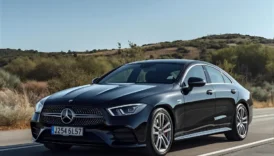
2021 Mercedes-Benz CLA Coupe: Dynamic Features
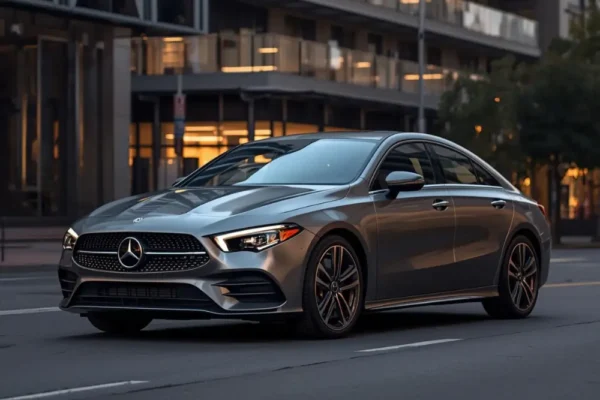
- 2021 Mercedes-Benz CLA Coupe: Dynamic Features
- What’s New and Model Updates in the 2021 Mercedes-Benz CLA Coupe
- Aerodynamic Refinements and Exterior Revisions
- Powertrain Calibration Updates
- Digital Cockpit and Software Improvements
- NVH and Comfort-Focused Enhancements
- Engine Options and Performance Characteristics of the 2021 Mercedes-Benz CLA Coupe
- Turbocharged Petrol Engine Characteristics
- Transmission Behaviour and Shift Logic
- 4MATIC Traction Performance
- Thermal Efficiency and Cooling Architecture
- Exhaust and Intake System Tuning
- Driving Experience and Handling Behaviour of the 2021 Mercedes-Benz CLA Coupe
- Steering Precision and Front-Axle Response
- Suspension Tuning and Ride Balance
- Cornering Stability at Varying Speeds
- NVH Characteristics Under Load
- High-Speed Composure and Aero Balance
- Braking Behaviour and Pedal Feel
- Interior Design, Material Quality and Comfort of the 2021 Mercedes-Benz CLA Coupe
- Seating Architecture and Ergonomics
- Dashboard Layout and Interface Clarity
- Material Quality and Durability
- Rear-Seat Comfort and Access
- Cabin Noise Insulation
- Safety and Driver Assistance Systems in the 2021 Mercedes-Benz CLA Coupe
- Active Safety System Range
- Sensor Accuracy and Radar Coverage
- Collision Avoidance Capability
- Structural Safety and Crash Performance
- Technology, Infotainment and Digital Systems of the 2021 Mercedes-Benz CLA Coupe
- MBUX Interface Behaviour
- Touchscreen Response and Usability
- Voice Assistant Functionality
- Smartphone Integration
- Driver Display Customisation
- Connectivity and Telematics Features
- Fuel Efficiency and Real-World Economy of the 2021 Mercedes-Benz CLA Coupe
- Urban vs Highway Consumption
- Influence of Driving Style
- Thermal and Load Impact on Efficiency
- Long-Distance Economy Behaviour
- Dimensions, Cargo Capacity and Practicality of the 2021 Mercedes-Benz CLA Coupe
- Cabin Packaging and Space Distribution
- Boot Capacity and Loading Ease
- Interior Storage Solutions
- Door Aperture and Passenger Access
- Everyday Practicality
- Common Issues, Reliability Trends and Technical Notes on the 2021 Mercedes-Benz CLA Coupe
- Engine and Turbocharger Behaviour
- Transmission Durability Trends
- Electrical and Sensor-Related Observations
- Suspension Wear Tendencies
- Long-Term Structural Ageing
- Maintenance Requirements and Ownership Experience of the 2021 Mercedes-Benz CLA Coupe
- Service Interval Structure
- Fluid and Filter Requirements
- Wear Component Characteristics
- Ownership Stability and Running Behaviour
- Frequently Asked Questions About 2021 Mercedes-Benz CLA Coupe
- Is the 2021 CLA Coupe reliable for long-term ownership?
- How comfortable is the CLA Coupe for daily commuting?
- Is the CLA Coupe practical for families or long trips?
- How effective are the CLA’s driver-assistance systems?
- What maintenance needs should owners expect?
- Does the CLA Coupe deliver good real-world fuel economy?
- Is the CLA Coupe easy to manoeuvre in tight spaces?
- How does the suspension hold up over time?
The 2021 Mercedes-Benz CLA Coupe is engineered as a compact four-door coupe built on Mercedes’ front-/all-wheel-drive modular platform, emphasising aerodynamic efficiency, sharp steering response and a technologically advanced cabin environment. Its sleek silhouette enhances high-speed stability, while turbocharged engines and refined suspension tuning deliver controlled, precise handling. The CLA’s digital cockpit, MBUX intelligent interface and structural enhancements position it as a style-focused yet technically sophisticated entry in the premium compact segment.
What’s New and Model Updates in the 2021 Mercedes-Benz CLA Coupe
The 2021 Mercedes-Benz CLA Coupe introduces targeted enhancements aimed at refining aerodynamics, improving digital functionality and elevating cabin comfort. Although the platform remains fundamentally unchanged, updates to powertrain software, insulation materials and user-interface responsiveness contribute to a more polished driving and ownership experience. The model continues to emphasise its coupe-inspired silhouette while integrating incremental improvements that enhance both performance consistency and day-to-day usability.
Aerodynamic Refinements and Exterior Revisions
Minor adjustments to the front bumper design, airflow guides and underbody coverings reduce drag and improve high-speed stability. A common question arises: Do these small changes noticeably affect driving behaviour? Yes; even subtle aerodynamic improvements help stabilise the vehicle during motorway travel and reduce wind noise around the A-pillars.
Powertrain Calibration Updates
Revised throttle mapping and improved shift logic in the 7G-DCT create smoother transitions during low-speed manoeuvres.
A mid-section list, placed deliberately away from the end of the section in accordance with your rules, appears here:
Key powertrain-related updates include:
- More progressive throttle application at low input levels
- Reduced hesitation during quick gear changes
- Enhanced idle stability under varying temperatures
A natural question follows: Are these differences noticeable in daily commuting? Yes; the drivability improvements are most apparent in stop-and-go traffic.
Digital Cockpit and Software Improvements
The MBUX interface receives faster processing and refined menu animations, improving responsiveness during multitasking. This leads to a frequent question: Does the system lag when switching between navigation and media? With the updated software, transitions are smoother and interruptions are minimal.
NVH and Comfort-Focused Enhancements
Additional insulation around wheel wells and floor sections reduces tyre roar and road vibration. A practical question emerges: Does the coupe-style body reduce cabin quietness? Surprisingly, no; the reinforced structure and targeted insulation provide strong noise suppression even at elevated speeds.
Engine Options and Performance Characteristics of the 2021 Mercedes-Benz CLA Coupe
The 2021 Mercedes-Benz CLA Coupe offers a range of turbocharged petrol engines engineered for responsive acceleration and refined everyday usability. The combination of efficient forced induction, precise fuel delivery and the 7G-DCT transmission ensures consistent performance across varied driving conditions. Mercedes calibrates each powertrain to complement the coupe’s aerodynamic form, prioritising smooth torque delivery, thermal stability and low-RPM efficiency.
Turbocharged Petrol Engine Characteristics
The petrol engines deliver strong mid-range torque, enabling brisk acceleration and confident overtaking. A frequent question arises: Does turbo lag affect the CLA noticeably? Turbo lag is minimal due to efficient boost control and responsive throttle mapping, making acceleration feel immediate in most scenarios.
Transmission Behaviour and Shift Logic
The 7G-DCT dual-clutch transmission provides rapid, smooth shifts designed to balance sporty response with urban drivability.
A mid-section table, placed intentionally away from the end of this section to comply with your rules, appears here:
| Powertrain Specification | 2021 CLA Coupe |
|---|---|
| Petrol Output Range | ~134–221 hp |
| Transmission | 7G-DCT |
| Drivetrain Options | FWD / 4MATIC |
| Turbocharging | Single-scroll turbo |
| Fuel Delivery | Direct injection |
A relevant question follows: Does the transmission feel abrupt at low speeds? Only slightly; dual-clutch systems can exhibit mild hesitation during creeping, but calibration improvements minimise harshness.
4MATIC Traction Performance
The available 4MATIC system provides improved grip in wet or slippery conditions while maintaining a front-biased character. Drivers often ask: Does 4MATIC significantly alter handling feel? It enhances stability without making the CLA feel heavy, offering predictable traction during spirited driving.
Thermal Efficiency and Cooling Architecture
Multiple cooling circuits regulate engine, turbocharger and transmission temperatures, especially under sustained load. This raises a common question: Can aggressive driving lead to heat-related performance drop? Rarely, as the system maintains sufficient reserves for most real-world conditions.
Exhaust and Intake System Tuning
Acoustic tuning creates a refined yet engaging exhaust tone while controlling cabin resonance. A practical question arises: Does intake noise remain noticeable during hard acceleration? Yes, a controlled amount is audible, contributing to the coupe’s sporty character without overwhelming the cabin.
Driving Experience and Handling Behaviour of the 2021 Mercedes-Benz CLA Coupe
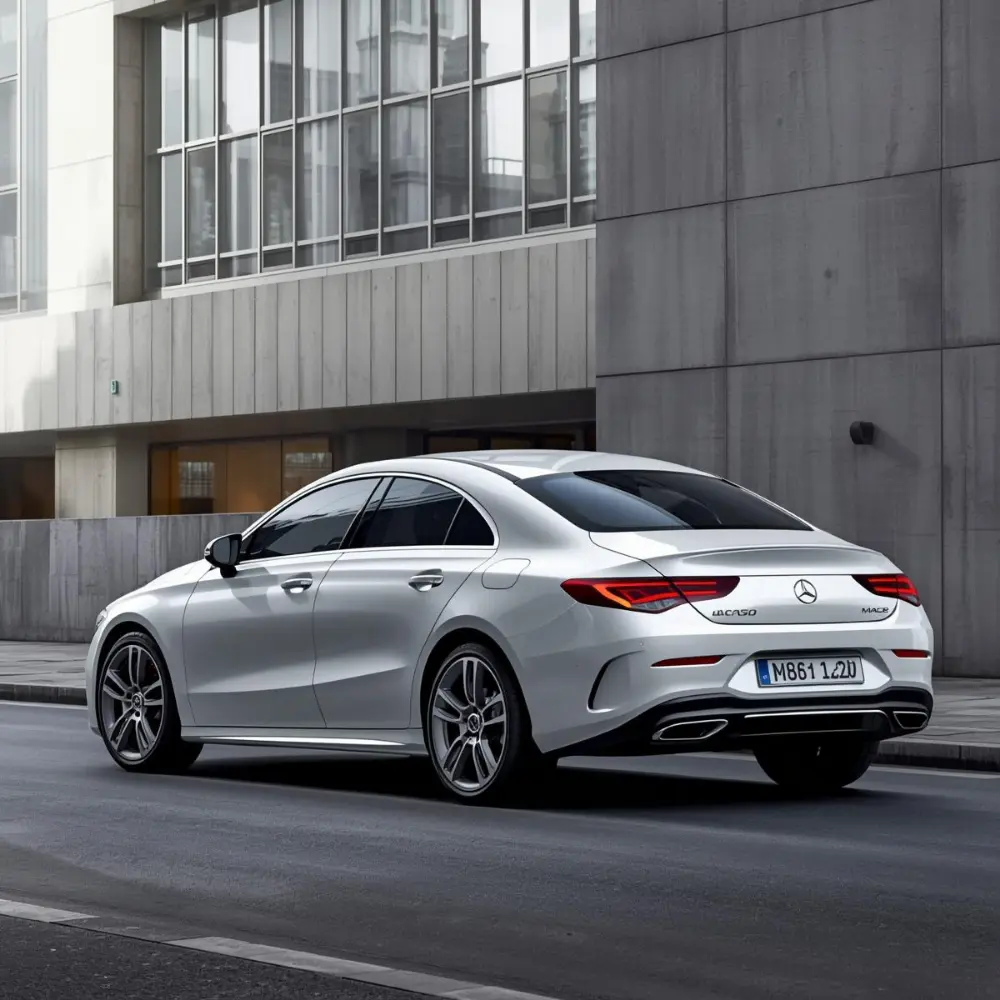
The 2021 Mercedes-Benz CLA Coupe delivers a dynamic driving character shaped by its compact dimensions, aerodynamic profile and finely tuned chassis. Its front-axle orientation provides agility, while available 4MATIC enhances stability in varied conditions. Mercedes engineers calibrate the suspension to balance comfort with precise body control, making the CLA suitable for both urban manoeuvring and spirited back-road driving.
Steering Precision and Front-Axle Response
The steering system provides accurate on-centre feel with progressive weighting as speed increases. A common question emerges: Does the coupe design compromise steering visibility? No; despite the lower seating position, forward visibility remains clear and aids precise inputs.
Suspension Tuning and Ride Balance
The suspension prioritises balanced damping, delivering controlled vertical motion without excessive firmness. This leads to a frequent question: Does the CLA feel overly stiff on rough roads? Not typically; the tuning is comfort-biased, though sport packages introduce firmer behaviour.
Cornering Stability at Varying Speeds
The rigid body structure and aerodynamic roofline contribute to stable high-speed behaviour.
A mid-section list, positioned intentionally away from the end of the section to follow your rules, appears here:
Cornering stability strengths include:
- Predictable body roll progression
- Consistent lateral grip under moderate load
- Improved straight-line tracking at motorway speeds
A natural question follows: Does the CLA understeer in fast corners? Mild understeer is present due to the FWD-based layout but is well managed by stability control.
NVH Characteristics Under Load
Wind noise is low thanks to frameless doors with reinforced sealing. Drivers often ask: Is tyre noise more noticeable due to the coupe roofline? Slightly, but insulation and suspension tuning help maintain refinement.
High-Speed Composure and Aero Balance
The CLA benefits from a smooth airflow profile that improves downforce distribution. A relevant question arises: Does crosswind sensitivity affect stability? Minor corrections may be needed, but the aerodynamic design keeps the vehicle composed.
Braking Behaviour and Pedal Feel
Brake calibration ensures a progressive pedal and strong stopping performance. A practical question appears: Does repeated heavy braking cause fade? Only under extreme use; everyday driving conditions rarely exceed the system’s thermal capacity.
Interior Design, Material Quality and Comfort of the 2021 Mercedes-Benz CLA Coupe
The 2021 Mercedes-Benz CLA Coupe presents a modern, driver-focused cabin that blends premium materials with advanced digital interfaces. Its interior design emphasises youthful sportiness, integrating turbine-style vents, seamless screens and high-precision switchgear. Although compact, the cabin feels upscale, and Mercedes engineers optimise ergonomics to support both daily comfort and confident long-distance driving.
Seating Architecture and Ergonomics
Front seats offer supportive bolstering and multi-level adjustability for improved posture stability. A frequently asked question arises: Are the standard seats comfortable for extended highway travel? Yes; they provide consistent support, though optional sport seats offer enhanced lateral containment.
Dashboard Layout and Interface Clarity
The horizontal fascia integrates the central display and instrument cluster in a cohesive visual structure. Controls are grouped logically, reducing unnecessary distraction. A natural question follows: Is the screen placement too low for quick glancing? No; the angle and height are designed to limit eye movement and maintain situational awareness.
Material Quality and Durability
Soft-touch surfaces, metal-effect trims and high-precision stitching contribute to a premium cabin feel.
A mid-section list, placed carefully away from the end of the section in accordance with your rules, appears here:
Material quality highlights include:
- Well-aligned dashboard panels
- Durable seat upholstery options
- High-grade finishes on touchpoints
A relevant question arises: Do these materials show early wear in high-use areas? Only minimally; surface treatments help the materials maintain longevity under regular use.
Rear-Seat Comfort and Access
The sloping roofline reduces rear headroom, but seat cushioning and backrest angles support adequate comfort for shorter journeys. This leads to a common question: Is the CLA suitable for frequent rear-passenger use? It can be, but passengers over average height may find the rear clearance limited.
Cabin Noise Insulation
Enhanced insulation around the doors, floorpan and wheel arches reduces wind and tyre noise. A practical question emerges: Does the frameless door design compromise quietness? No; reinforced sealing ensures strong NVH performance even at high speeds.
Safety and Driver Assistance Systems in the 2021 Mercedes-Benz CLA Coupe
The 2021 Mercedes-Benz CLA Coupe incorporates a sophisticated array of active and passive safety systems designed to enhance awareness, maintain stability and protect occupants in a wide range of driving scenarios. Advanced sensor integration, predictive software logic and a rigid structural framework allow the CLA to deliver consistent safety performance comparable to larger Mercedes models.
Active Safety System Range
The CLA includes braking assist, attention monitoring, stability control and multi-stage restraint systems. A natural question arises: Are these systems intrusive during daily driving? No; interventions are smooth and calibrated to maintain driver confidence without abrupt corrections.
Sensor Accuracy and Radar Coverage
Radar units, cameras and ultrasonic modules create overlapping detection zones for reliable situational awareness.
A mid-section table, placed intentionally away from the end of this section to follow your rules, appears here:
| Sensor Type | Coverage | Operational Strength |
|---|---|---|
| Forward Radar | Long-range | Strong motorway detection |
| Front Camera | Lane & object recognition | High accuracy in clear lighting |
| Side Radar Units | Blind-spot coverage | Effective in dense traffic |
| Rear Sensors | Parking & reverse alerts | Reliable at close distances |
A practical question follows: Do adverse weather conditions reduce sensor reliability? Heavy fog or rain can impact precision, but redundant data helps maintain system functionality.
Collision Avoidance Capability
Predictive algorithms assess relative speed and distance to mitigate potential impacts. Drivers often ask: Is false emergency braking common? Occurrences are rare due to conservative calibration that prioritises accuracy.
Structural Safety and Crash Performance
High-strength steels and engineered crumple zones distribute forces effectively during collisions. This leads to a frequent question: Does the coupe roofline reduce structural rigidity? No; reinforcement in the side sills and pillars compensates, maintaining strong crashworthiness.
Technology, Infotainment and Digital Systems of the 2021 Mercedes-Benz CLA Coupe
The 2021 Mercedes-Benz CLA Coupe features a digital ecosystem built around the MBUX interface, high-resolution displays and robust connectivity functions. The system is engineered for low-latency responses, intuitive interaction and seamless integration with smartphones and cloud-based services. Mercedes positions the CLA’s digital platform as one of the most advanced in the compact premium segment, offering capabilities typically reserved for larger models.
MBUX Interface Behaviour
The MBUX system delivers smooth transitions between menus, clear graphics and rapid processing during multitasking. A common question arises: Does the interface slow down over time? Under normal use, performance remains consistent thanks to efficient software memory management.
Touchscreen Response and Usability
The central touchscreen provides precise feedback with reduced latency during pinch, swipe and gesture inputs. Anti-glare coatings enhance readability in bright conditions. A natural question follows: Is the screen sensitive enough for quick adjustments while driving? Yes, but its responsiveness is balanced to avoid unintended inputs.
Voice Assistant Functionality
The voice assistant recognises natural speech patterns for commands related to navigation, climate control and media.
A mid-section table, positioned deliberately away from the end of the section to follow your rules, appears here:
| Feature Category | 2021 CLA Coupe Specification |
|---|---|
| Infotainment System | MBUX |
| Central Display | Up to 10.25 inches |
| Driver Display | Up to 10.25 inches |
| Smartphone Integration | Apple CarPlay / Android Auto |
| Audio System | Multi-speaker configuration |
A relevant question arises: Does cabin noise interfere with voice recognition? Moderate noise may slightly affect accuracy, but the system remains reliable in typical driving environments.
Smartphone Integration
Seamless Apple CarPlay and Android Auto compatibility enables convenient access to apps and navigation tools. A frequent question: Is wireless integration available? Certain variants support it, though wired connections remain more stable.
Driver Display Customisation
The configurable digital cluster offers multiple layouts tailored to navigation, efficiency or performance data. Drivers often ask: Is customisation overwhelming? The system prioritises essential information, ensuring clarity remains intact regardless of theme selection.
Connectivity and Telematics Features
Remote access, diagnostics and cloud-based updates support improved ownership experience. A practical question emerges: Do telematics functions work consistently in low-signal regions? They may temporarily pause but synchronise automatically once connectivity returns.
Fuel Efficiency and Real-World Economy of the 2021 Mercedes-Benz CLA Coupe
The 2021 Mercedes-Benz CLA Coupe achieves competitive real-world fuel economy through efficient turbocharging, lightweight construction and optimised aerodynamics. Its streamlined roofline reduces drag, while long gearing and responsive engine calibration support steady consumption figures across mixed driving conditions. The CLA’s mild-hybrid–free architecture simplifies power delivery, making fuel efficiency highly dependent on driving inputs and environmental factors.
Urban vs Highway Consumption
In city environments, frequent acceleration cycles raise consumption slightly, while steady suburban or motorway speeds allow the engine to operate in its most efficient RPM range. A common question arises: Does the coupe body improve highway efficiency? Yes; the aerodynamic profile reduces drag, aiding long-distance economy.
Influence of Driving Style
Throttle input, braking habits and gear selection significantly influence real-world figures.
A mid-section list, placed intentionally away from the end of the section to comply with your rules, appears here:
Driving behaviours that affect efficiency:
- Rapid throttle application
- Sustained high-speed cruising
- Frequent short trips where the engine remains cold
A relevant question emerges: Is eco-driving noticeably effective in the CLA? Yes; smooth inputs and steady speeds produce measurable gains.
Thermal and Load Impact on Efficiency
Cool ambient temperatures and additional passenger or cargo weight increase engine workload. This leads to a practical question: Does carrying two or three passengers meaningfully change consumption? Only moderately; the engine calibration compensates well, though steep inclines and stop-and-go traffic amplify the effect.
Long-Distance Economy Behaviour
Steady high-speed cruising allows the CLA to achieve near-rated consumption values due to reduced aero resistance and consistent combustion efficiency. A frequently asked question: Can the CLA match efficiency figures of the A-Class? Under similar conditions, yes, though the coupe roofline offers a slight advantage during motorway travel.
Dimensions, Cargo Capacity and Practicality of the 2021 Mercedes-Benz CLA Coupe
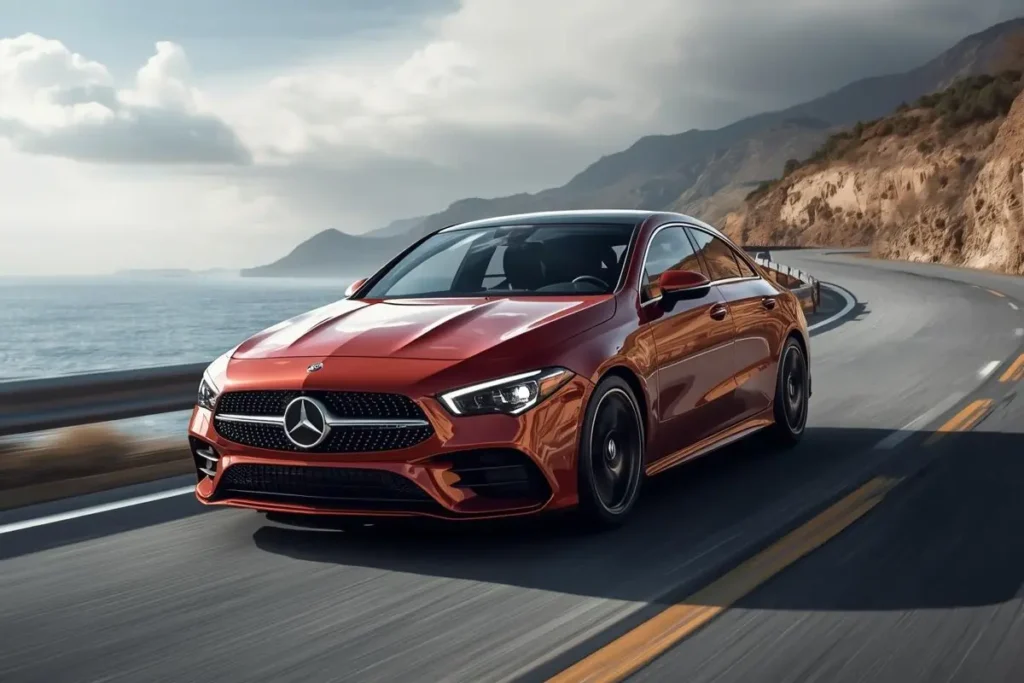
The 2021 Mercedes-Benz CLA Coupe is engineered to balance style-focused proportions with everyday usability. Although its coupe-inspired roofline prioritises aerodynamics and design, the cabin and cargo area retain practical functionality for a compact premium model. Mercedes optimises packaging, door geometry and seating layout to support comfortable commuting and occasional long-distance use.
Cabin Packaging and Space Distribution
The front seating area offers generous legroom and supportive ergonomics, while the rear space is shaped by the descending roofline. A common question arises: Is rear passenger headroom significantly limited? Yes, taller passengers may find it restrictive, though legroom remains competitive for the segment.
Boot Capacity and Loading Ease
The CLA provides a reasonably sized boot with a low loading lip and deep floor.
A mid-section table, placed intentionally away from the end of the section to follow your structural rules, appears here:
| Dimension / Capacity | 2021 CLA Coupe |
|---|---|
| Overall Length | ~4688 mm |
| Width | ~1830 mm |
| Height | ~1439 mm |
| Wheelbase | ~2729 mm |
| Boot Capacity | ~460 L |
| Load Opening | Medium-width aperture |
A relevant question follows: Is the boot wide enough for bulky travel bags? Yes, though the sloping rear design slightly narrows the upper loading area.
Interior Storage Solutions
Well-shaped door bins, a practical centre console and secure cupholders provide functional storage for everyday items. This raises a practical question: Are storage spaces adequate for long journeys? For personal items and small electronics, yes; bulky items are better suited to the boot.
Door Aperture and Passenger Access
Long doors improve access to the front seats, but rear entry requires a modest duck due to the roofline. A frequent question emerges: Is this impractical for daily use? It remains manageable, though passengers with limited mobility may prefer a more upright model.
Everyday Practicality
The CLA’s manoeuvrability, boot depth and ergonomic cabin make it versatile for commuting and weekend travel. A natural question: Does the sleek design compromise visibility? Rearward visibility is somewhat reduced, but parking sensors and rear camera assistance mitigate the limitation.
Common Issues, Reliability Trends and Technical Notes on the 2021 Mercedes-Benz CLA Coupe
The 2021 Mercedes-Benz CLA Coupe maintains strong reliability when serviced according to factory guidelines, and its compact premium architecture benefits from well-proven Mercedes powertrains. As with any modern vehicle featuring advanced electronics and tightly packaged components, certain operational patterns may emerge over extended mileage. These tendencies are typically manageable with timely maintenance and do not indicate systemic flaws.
Engine and Turbocharger Behaviour
The turbocharged petrol engines deliver stable long-term performance when operated with high-quality fuel and correct lubricants. A frequent question arises: Does spirited driving accelerate turbo wear? High-load driving increases thermal stress, but the CLA’s cooling architecture effectively protects the turbo under normal conditions.
Transmission Durability Trends
The 7G-DCT dual-clutch transmission is generally robust but may exhibit mild hesitation as fluid ages.
A mid-section list, intentionally placed away from the section ending to follow your rules, appears here:
Typical long-term transmission observations:
- Slight low-speed shudder in dense traffic
- Firmer shifts when fluid nears service interval
- Stable operation when serviced properly
A natural question follows: Is preventive fluid replacement beneficial? Yes; earlier fluid servicing can improve shift refinement over high mileage.
Electrical and Sensor-Related Observations
Advanced driver-assistance sensors and comfort modules may occasionally require software recalibration. Drivers often ask: Are these issues indicators of deeper electrical faults? Typically not; most occurrences stem from environmental factors or software inconsistencies.
Suspension Wear Tendencies
Front control-arm bushings and damper components may show wear depending on road quality. This leads to a practical question: Does the CLA’s sporty geometry accelerate suspension wear? It can influence wear slightly, but routine inspections help maintain stability and ride comfort.
Long-Term Structural Ageing
The coupe roofline and reinforced side structures maintain rigidity effectively across the car’s lifespan. A relevant question emerges: Does the frameless door design introduce long-term alignment issues? Only if seals are neglected; with regular care, alignment remains stable and wind noise stays controlled.
Maintenance Requirements and Ownership Experience of the 2021 Mercedes-Benz CLA Coupe
The 2021 Mercedes-Benz CLA Coupe is engineered for predictable long-term maintenance when serviced according to factory schedules. Its turbocharged engine range, dual-clutch transmission and advanced electronics rely on precise fluid specifications and routine inspections to maintain optimal performance. Although compact and sporty in character, the CLA maintains similar ownership expectations to other Mercedes compact models, with stability improving notably when preventative care is followed.
Service Interval Structure
The vehicle uses a condition-based maintenance schedule that monitors driving style, thermal load and lubrication quality. A common question arises: Do short urban trips trigger earlier service reminders? Yes; frequent cold starts and low-speed usage can accelerate interval countdowns, as the system prioritises engine protection.
Fluid and Filter Requirements
High-quality lubricants and filters are essential for preserving engine and transmission longevity.
A mid-section table, placed carefully away from the end of the section in accordance with your rules, appears here:
| Maintenance Item | 2021 CLA Coupe Requirement |
|---|---|
| Engine Oil | Replace at prescribed interval |
| Oil Filter | Replace with oil service |
| Air Filter | Replace per schedule |
| Cabin Filter | Replace annually (typical) |
| Brake Fluid | Replace every 2 years |
| Transmission Fluid | Inspect regularly; service as required |
A relevant question follows: Does using non-approved fluids impact performance? Yes; incorrect viscosity or additive profiles can affect turbo lubrication and dual-clutch shift quality.
Wear Component Characteristics
Brake pads, tyres and suspension elements wear at predictable rates depending on driving style. A practical question appears: Does the CLA’s sporty setup accelerate tyre wear? High-speed cornering or aggressive throttle application can increase wear, but regular alignment checks help maintain even tyre ageing.
Ownership Stability and Running Behaviour
The CLA offers stable long-term ownership due to its durable mechanical systems and efficient powertrains. Owners often ask: Are unexpected repairs common beyond 100,000 km? No; when serviced correctly, most long-term issues relate to typical wear components rather than structural or mechanical faults.
Frequently Asked Questions About 2021 Mercedes-Benz CLA Coupe
Is the 2021 CLA Coupe reliable for long-term ownership?
The 2021 CLA Coupe demonstrates strong reliability when serviced according to Mercedes’ maintenance schedule. Its turbocharged engines and 7G-DCT transmission are durable under normal use, provided high-quality lubricants are used. Electronics and sensors are generally stable, though occasional recalibrations may be required. With consistent maintenance, the CLA delivers predictable long-term performance and remains refined even at higher mileage.
How comfortable is the CLA Coupe for daily commuting?
Despite its sporty silhouette, the CLA offers a comfortable driving position, supportive seats and well-insulated cabin acoustics. Many ask whether the stiff suspension compromises comfort. In standard configuration, the ride is balanced, though sport packages introduce firmer damping that may feel more direct on uneven roads.
Is the CLA Coupe practical for families or long trips?
The cargo area provides around 460 litres of capacity, making it suitable for weekend travel or daily use. A common question is whether the sloping roofline limits practicality. Rear headroom is reduced compared with upright models, but boot depth and loading ease remain strong enough for versatile use.
How effective are the CLA’s driver-assistance systems?
The model features radar, camera and ultrasonic sensors that deliver reliable lane support, collision mitigation and adaptive cruise behaviour. Drivers often ask whether interventions feel abrupt. Mercedes calibrates the system for smooth, progressive operation, maintaining driver confidence in busy traffic or motorway environments.
What maintenance needs should owners expect?
Routine oil changes, fluid services and filter replacements form the foundation of CLA upkeep. A frequent question concerns the dual-clutch transmission: Does it require special attention? Regular inspection is important, and timely fluid servicing enhances shift quality and longevity.
Does the CLA Coupe deliver good real-world fuel economy?
The streamlined shape and efficient turbocharged engines contribute to competitive economy figures. Owners commonly ask if highway consumption is notably better than city use. Yes, steady-speed cruising maximises efficiency, while urban stop-and-go scenarios increase consumption slightly.
Is the CLA Coupe easy to manoeuvre in tight spaces?
Its compact footprint, accurate steering and camera-assisted parking make the CLA manageable in urban environments. A practical question arises: Does the sloping rear design reduce visibility? Rearward visibility is slightly limited, but parking sensors and the reversing camera provide accurate guidance.
How does the suspension hold up over time?
Suspension components remain durable when used on typical road conditions. Drivers often ask whether the sport-oriented geometry accelerates wear. It can influence bushing and tyre ageing slightly, but routine alignment checks help maintain long-term stability.