
2021 Genesis G90: Features and Specifications
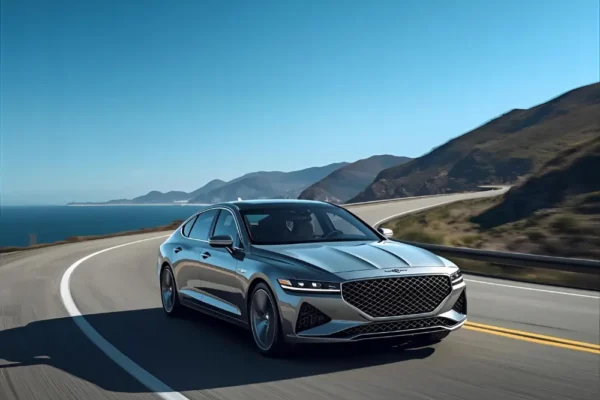
- 2021 Genesis G90: Features and Specifications
- What’s New in the 2021 Genesis G90 Design and Platform Enhancements
- Structural Improvements and NVH Optimization
- Exterior Aerodynamics and Body Rigidity Updates
- Suspension Architecture and Chassis Isolation Enhancements
- Key Structural Enhancements (List)
- 2021 Genesis G90 Engine Options and High-Output Performance Specifications
- 3.3 T-GDI Twin-Turbo Technical Breakdown
- 5.0 V8 Powertrain Architecture
- 8-Speed Automatic Transmission Shift Logic & Power Delivery
- Engine Specifications Table
- Key Powertrain Components (List)
- Driving Dynamics, Ride Comfort and Handling Behavior of the 2021 Genesis G90
- Chassis Balance and EPS Steering Response
- Multilink Suspension & Adaptive Damping Characteristics
- Drive Mode Functional Differences
- Driving Dynamics Feature Breakdown (List)
- Interior Materials, Seating Comfort and Luxury Cabin Technology in the 2021 Genesis G90
- Material Quality and Craftsmanship
- Seating Ergonomics & Acoustic Comfort
- Infotainment, Display Tech and HMI Logic
- Cabin Technology & Interior Specifications Table
- Interior Feature Breakdown (List)
- Safety Systems and Advanced Driver Assistance Technology in the 2021 Genesis G90
- Sensor Suite: Radar, Camera and Ultrasonic Architecture
- HDA, Lane-Keeping and Lateral Assistance Calibration
- Passive Safety Structure & Airbag Layout
- Safety Systems Table
- ADAS Feature Breakdown
- Fuel Efficiency, Consumption Behavior and Efficiency Optimization of the 2021 Genesis G90
- Aerodynamic Influence on Fuel Economy
- Engine Efficiency Technologies
- Real-World Consumption Behavior
- Efficiency Optimization Breakdown
- 2021 Genesis G90 Dimensions, Cargo Capacity and Practicality in Daily Use
- Exterior Measurements and Cabin Space
- Trunk Capacity and Usability
- Practicality Enhancements for Daily Operation
- Dimensions Table
- Practicality Feature Breakdown
- Reliability Insights and Common Mechanical Issues Reported for the 2021 Genesis G90
- Powertrain-Related Issue Groups (T-GDI & V8)
- Electronics and Sensor Reliability Patterns
- Preventive Measures and Diagnostic Signs
- Reliability Issue Overview
- Maintenance Intervals, Service Requirements and Ownership Experience of the 2021 Genesis G90
- Scheduled Maintenance Items
- Wear Components and Consumables
- Long-Term Durability Indicators
- Maintenance Checklist Overview
- Long-Term Driving Suitability and Segment-Level Comparison for the 2021 Genesis G90
- Long-Distance Comfort and Stability
- Segment-Level Engineering Comparison
- Driver Profile Suitability
- Driving Suitability Breakdown
- Frequently Asked Questions About the 2021 Genesis G90
- Is the 2021 Genesis G90 comfortable for long-distance driving?
- How reliable is the 3.3 T-GDI and 5.0 V8 in long-term ownership?
- Are there common mechanical issues to watch for on the 2021 G90?
- Does the 2021 Genesis G90 provide advanced safety technology?
- How spacious is the interior for rear passengers?
- What contributes to the G90’s quiet cabin?
- Is the 2021 Genesis G90 expensive to maintain?
- Does the infotainment system stay responsive over time?
- Which engine is better for daily driving: the 3.3 T-GDI or 5.0 V8?
- Is the G90 practical for everyday use despite being a large sedan?
The 2021 Genesis G90 represents the flagship sedan of the brand, engineered with a focus on structural refinement, cabin quietness and high-output powertrains. Built on a rigid platform optimized for stability and NVH suppression, the model integrates engines such as the 3.3 T-GDI twin-turbo V6 and the 5.0 V8, both paired with an 8-speed automatic transmission. Its long wheelbase layout enhances rear-seat comfort, while the interior uses premium materials, layered acoustic insulation and advanced digital interfaces. Driver assistance is supported by an extensive sensor suite and predictive algorithms, resulting in a composed and secure driving character suited for executive-class use.
What’s New in the 2021 Genesis G90 Design and Platform Enhancements
The 2021 Genesis G90 introduces a series of platform upgrades engineered to improve rigidity, aerodynamic precision and overall refinement. The long-tail keyword What’s New in the 2021 Genesis G90 design and platform enhancements reflects how structural, NVH and body-engineering updates enhance long-distance comfort and stability. These What’s New in the 2021 Genesis G90 design and platform enhancements revisions strengthen the sedan’s flagship characteristics with more advanced material strategies and optimized chassis isolation.
Structural Improvements and NVH Optimization
The model’s architecture integrates a reinforced body-in-white (BIW) using expanded sections of hot-stamped steel to increase load-bearing capability. Cross-member stiffness and subframe mount rigidity were upgraded to reduce chassis flex during high-load transitions. Engineers added high-strength structural adhesives to improve panel bonding and reduce vibration transfer.
NVH refinement benefits from multi-layer acoustic insulation, laminated acoustic glass and reinforced firewall damping. The floorpan incorporates upgraded resonance-control pads designed to neutralize low-frequency vibration pathways. Enhanced door and A-pillar sealing further reduces wind intrusion at sustained motorway speeds.
Exterior Aerodynamics and Body Rigidity Updates
Airflow efficiency improves through a redesigned underbody panel, streamlined air deflectors and smoother rocker surfaces that reduce vortex formation around the wheel arches. These adjustments increase cooling stability for the radiator and intercooler modules by directing airflow more predictably.
Body rigidity advancements include a stronger roof cross-member, reinforced A- and C-pillars, and a stiffer rear bulkhead to enhance crash energy distribution and lateral stability. Precision-aligned exterior panel gaps lower aerodynamic leakage, contributing to reduced drag and improved high-speed composure.
Suspension Architecture and Chassis Isolation Enhancements
The suspension retains a refined multilink layout supported by recalibrated hydraulic bushings designed to absorb high-frequency surface irregularities. Updated damper valves provide smoother vertical compliance and reduce oscillation over undulating terrain.
Chassis isolation is strengthened through improved mounting strategies at the front subframe and rear cradle. Steering response benefits from optimized EPS mapping that enhances on-center stability and delivers more controlled steering feedback consistent with flagship driving refinement.
Key Structural Enhancements (List)
- Reinforced BIW with expanded high-strength segments
- Optimized underbody aerodynamic layout
- Updated hydraulic bushing configuration
- Enhanced door sealing and NVH barriers
- Strengthened A- and C-pillar structures
2021 Genesis G90 Engine Options and High-Output Performance Specifications
The 2021 Genesis G90 offers two refined powertrains focused on smooth acceleration, thermal stability and long-distance durability. The long-tail keyword 2021 Genesis G90 engine options and high-output performance specifications highlights the sedan’s blend of flagship refinement and consistent output delivery. These 2021 Genesis G90 engine options and high-output performance specifications emphasize advanced turbocharging, precise fuel management and optimized drivetrain calibration.
3.3 T-GDI Twin-Turbo Technical Breakdown
The 3.3 T-GDI V6 uses dual turbochargers configured for symmetrical airflow and rapid boost development. High-pressure GDI injectors deliver optimized fuel atomization, while a precisely engineered compression ratio stabilizes combustion under varying loads. The air-to-water intercooler maintains consistent intake temperatures during extended acceleration. Internal friction is reduced through low-friction roller cam followers and optimized piston skirt coatings, allowing more efficient power transfer. The engine management system uses predictive ignition timing to maintain smooth torque output across the rev range.
5.0 V8 Powertrain Architecture
The naturally aspirated 5.0 V8 prioritizes linear response, using a sophisticated dual-intake system and variable valve timing for balanced airflow management. Its rigid crankshaft design enhances rotational stability, while sodium-filled exhaust valves support thermal durability at sustained high temperatures. Multi-point and direct dual-injection systems improve low-speed drivability and high-load precision. The V8’s wide torque plateau contributes to smooth acceleration, particularly in highway merging and high-speed overtaking scenarios.
8-Speed Automatic Transmission Shift Logic & Power Delivery
Both engines pair with an 8-speed automatic transmission featuring an electronically controlled hydraulic valve body. Shift logic uses early torque converter lock-up to increase mechanical efficiency and reduce slip during cruising. Downshift behavior prioritizes smooth torque transitions rather than abrupt gear changes, maintaining composure during lane changes and gradient variations. The transmission’s adaptive learning algorithm refines shift timing based on driving patterns to ensure consistent refinement.
Engine Specifications Table
| Specification | 3.3 T-GDI | 5.0 V8 |
|---|---|---|
| Displacement | 3,342 cc | 5,038 cc |
| Configuration | V6 | V8 |
| Aspiration | Twin Turbocharged | Naturally Aspirated |
| Maximum Power | 365 hp | 420 hp |
| Maximum Torque | 510 Nm | 519 Nm |
| Injection Type | GDI | Dual (MPI + GDI) |
| Transmission | 8-speed automatic | 8-speed automatic |
Key Powertrain Components (List)
- Twin turbochargers with electronic wastegate control
- High-pressure GDI injection system
- Air-to-water intercooler thermal management
- Dual-injection MPI + GDI strategy (V8)
- Adaptive 8-speed automatic shift logic
Driving Dynamics, Ride Comfort and Handling Behavior of the 2021 Genesis G90

The 2021 Genesis G90 focuses on refined body control, predictable steering response and a luxury-oriented ride philosophy balanced with structural precision. The long-tail keyword driving dynamics, ride comfort and handling behavior of the 2021 Genesis G90 reflects the sedan’s emphasis on stability, composure and reduced NVH. These driving dynamics, ride comfort and handling behavior of the 2021 Genesis G90 attributes result from an integrated approach combining chassis rigidity, multilink suspension engineering and adaptive damping logic.
Chassis Balance and EPS Steering Response
The chassis is built on a reinforced body-in-white (BIW) structure that improves torsional stiffness while supporting consistent weight distribution. The EPS system uses a column-mounted motor calibrated for a linear assistance curve, creating a more natural on-center feel. Engineers minimized steering friction through optimized rack-and-pinion geometry and enhanced intermediate shaft damping. These adjustments help the 2021 Genesis G90 maintain stable tracking at high speeds and deliver predictable front-end response during progressive cornering inputs.
Multilink Suspension & Adaptive Damping Characteristics
A refined multilink configuration at all four corners forms the backbone of the G90’s ride comfort strategy. Re-engineered hydraulic bushings reduce vibration transfer through key suspension points, while revised damper valving improves vertical compliance across uneven road surfaces. The adaptive damping system uses wheel acceleration sensors to continuously adjust rebound and compression, enhancing platform stability during sudden load transitions. This ensures that the flagship maintains composure without compromising cabin isolation.
Drive Mode Functional Differences
Drive mode calibration directly influences throttle mapping, shift strategy, EPS weighting and damper firmness.
Eco Mode: Lowers throttle sensitivity and encourages early torque converter lock-up for efficiency.
Comfort Mode: Optimizes damping and steering weight for balanced everyday operation.
Sport Mode: Increases steering precision, sharpens throttle response and firms the suspension for more responsive handling.
Custom Mode: Allows independent adjustment of powertrain and chassis parameters through the central HMI interface.
Driving Dynamics Feature Breakdown (List)
- Adaptive multilink suspension geometry
- Recalibrated EPS with linear assistance mapping
- Stability-focused damper valving
- Body stiffness enhancements improving lateral control
- Drive mode system influencing steering, shifting and damping
Interior Materials, Seating Comfort and Luxury Cabin Technology in the 2021 Genesis G90
The 2021 Genesis G90 emphasizes craftsmanship, acoustic refinement and high-end digital integration designed to meet flagship luxury standards. The long-tail keyword interior materials, seating comfort and luxury cabin technology in the 2021 Genesis G90 reflects the sedan’s focus on tactile quality and ergonomic depth. These interior materials, seating comfort and luxury cabin technology in the 2021 Genesis G90 characteristics combine premium materials, structural precision and advanced infotainment logic to deliver a quiet and intuitive cabin environment.
Material Quality and Craftsmanship
The cabin incorporates premium wood veneers, polished aluminum trim, micro-coated surfaces and multi-layer soft-touch polymers engineered for longevity. The dashboard uses a low-reflection coating to enhance visibility on the wide-format display. Hidden HVAC vents create a clean horizontal aesthetic, while tactile controls integrate electromechanical actuators for crisp and consistent feedback. The center console’s rotary controller uses precision-machined detents, ensuring stable long-term operation. These material choices enhance structural rigidity without adding unnecessary mass.
Seating Ergonomics & Acoustic Comfort
The seating system uses a reinforced seat frame, layered high-density foam and adjustable lumbar support to distribute pressure effectively. Rear occupants benefit from extended legroom due to efficient packaging of the multilink rear suspension. Acoustic comfort is supported by laminated acoustic glass, multi-stage door sealing and enhanced firewall insulation that reduces high-frequency intrusion. Engineers also applied tuned damping sheets to the floorpan to neutralize low-frequency vibrations, creating a notably quiet interior at motorway speeds.
Infotainment, Display Tech and HMI Logic
The infotainment suite features a high-resolution 12.3-inch display with optimized touch latency and improved backlighting uniformity. Its HMI logic reduces interaction layers, making navigation, ADAS monitoring and media control more intuitive. The rotary-touch controller supports handwriting input for precise command execution without stretching toward the screen. The digital cluster displays real-time ADAS data, powertrain behavior and route guidance overlays. Connectivity includes seamless smartphone integration and OTA update capability, keeping the system responsive and up to date.
Cabin Technology & Interior Specifications Table
| Feature | Specification |
|---|---|
| Main Display | 12.3-inch infotainment screen |
| Digital Cluster | TFT configurable display |
| Seat Frame Material | High-strength steel |
| Acoustic Glass | Laminated front and side |
| Interior Trim Options | Wood, aluminum, micro-coated surfaces |
| HMI Controller | Rotary-touch input |
| Connectivity | OTA + smartphone integration |
| HVAC Layout | Hidden linear vent architecture |
Interior Feature Breakdown (List)
- Laminated acoustic glass for noise suppression
- Premium wood and aluminum trim options
- Multi-layer seat cushioning with lumbar adjustment
- Hidden HVAC vent design
- Advanced HMI interface with rotary-touch control
Safety Systems and Advanced Driver Assistance Technology in the 2021 Genesis G90

The 2021 Genesis G90 integrates a comprehensive safety architecture built around high-resolution sensing hardware, predictive algorithms and a reinforced occupant-protection structure. The long-tail keyword safety systems and advanced driver assistance technology in the 2021 Genesis G90 reflects how the flagship model enhances situational awareness through multilayer sensor fusion. These safety systems and advanced driver assistance technology in the 2021 Genesis G90 features contribute to consistent detection accuracy and stable intervention logic across a wide range of driving environments.
Sensor Suite: Radar, Camera and Ultrasonic Architecture
The detection array uses a forward long-range radar, wide-angle camera, dual rear radar modules and multiple ultrasonic sensors to monitor close- and mid-range surroundings. The radar–camera fusion algorithm synchronizes object recognition, improving performance in low light and adverse weather. Rear radars deliver extended blind-spot coverage, while ultrasonic sensors support precise low-speed maneuvering. Sensor redundancy ensures operational reliability even if one detection channel experiences temporary obstruction.
HDA, Lane-Keeping and Lateral Assistance Calibration
The flagship integrates Highway Driving Assist (HDA), combining adaptive cruise control, lane-centering and navigation-based speed adjustment. Lane Keeping Assist (LKA) applies calibrated steering torque to maintain lane position without abrupt corrections. Blind-Spot Collision Avoidance uses the rear radar modules to apply selective braking when another vehicle occupies an adjacent lane. Rear Cross-Traffic Collision Avoidance forecasts lateral movement during reversing and can initiate braking to prevent impact. These systems are tuned for smoothness, reducing driver workload on long motorway drives.
Passive Safety Structure & Airbag Layout
The structural cage uses reinforced sections of hot-stamped steel, strengthened A- and B-pillars and a rigid roof cross-member to manage impact forces. Controlled deformation zones at the front and rear absorb crash energy while maintaining cabin integrity. The airbag system includes dual front units, side thorax bags, full-length curtain airbags and a driver knee airbag designed to reduce lower-body injury risk. Seatbelt pretensioners and load limiters adjust belt force in milliseconds, minimizing occupant stress during rapid deceleration.
Safety Systems Table
| System | Technology Type | Function |
|---|---|---|
| Forward Collision-Avoidance Assist | Radar + camera | Predictive braking for vehicles/pedestrians |
| Lane Keeping Assist | Camera | Steering correction to maintain lane position |
| Blind-Spot Collision Avoidance | Rear radar | Selective braking during unsafe lane changes |
| Highway Driving Assist | Radar + camera | Distance control and lane centering |
| Rear Cross-Traffic Collision Avoidance | Rear radar | Braking intervention when reversing |
| Driver Attention Warning | Camera + algorithm | Fatigue and attention-pattern monitoring |
ADAS Feature Breakdown
- Multi-layer radar–camera fusion detection
- Predictive adaptive cruise control logic
- Steering-assisted lane-centering
- Radar-based blind-spot intervention
- Dynamic rear cross-traffic collision avoidance
Fuel Efficiency, Consumption Behavior and Efficiency Optimization of the 2021 Genesis G90
The 2021 Genesis G90 employs aerodynamic refinement, precision fuel management and drivetrain optimization to maintain competitive efficiency for a full-size luxury sedan. The long-tail keyword fuel efficiency, consumption behavior and efficiency optimization of the 2021 Genesis G90 reflects the engineering strategies that reduce load and improve thermal stability. These fuel efficiency, consumption behavior and efficiency optimization of the 2021 Genesis G90 characteristics combine combustion efficiency, aerodynamic smoothing and adaptive shift logic.
Aerodynamic Influence on Fuel Economy
Exterior airflow is shaped by a streamlined underbody panel, optimized air deflectors and a tapered roofline designed to minimize turbulence. These elements reduce the aerodynamic load on the engine at cruising speeds. The active air flap system manages cooling airflow by opening only when necessary, further lowering drag. Side-surface smoothing around the wheel arches enhances pressure stability and reduces the air disturbance that contributes to consumption increase during high-speed travel.
Engine Efficiency Technologies
Both the 3.3 T-GDI and 5.0 V8 engines incorporate advanced fuel-management strategies. High-pressure GDI injection promotes efficient atomization, while the dual-injection (MPI + GDI) architecture on the V8 supports both low-load efficiency and high-output stability. The optimized compression ratio, electronically controlled wastegate (T-GDI) and a variable oil pump reduce parasitic losses during steady-state cruising. The 8-speed automatic transmission engages torque converter lock-up early to minimize slippage and improve mechanical efficiency. A targeted coolant routing system stabilizes engine temperatures for consistent combustion.
Real-World Consumption Behavior
Real-world consumption varies depending on throttle input, gradient changes and driving style. Eco Mode limits throttle sensitivity and encourages early upshifts to maintain optimal engine loading. Aerodynamic stability reduces the need for corrective steering inputs, lowering transient fuel spikes. The adaptive shift logic identifies low-load situations and maintains higher gears for reduced RPM operation. Low-resistance tire compounds further assist in lowering rolling drag, contributing to improved long-distance economy for the 2021 Genesis G90.
Efficiency Optimization Breakdown
- Streamlined underbody aerodynamic layout
- High-pressure GDI and dual-injection strategies
- Early torque converter lock-up logic
- Variable oil pump for reduced parasitic loss
- Optimized tire rolling resistance
2021 Genesis G90 Dimensions, Cargo Capacity and Practicality in Daily Use
The 2021 Genesis G90 is engineered with balanced proportions, optimized interior packaging and a trunk layout that enhances day-to-day usability. The long-tail keyword 2021 Genesis G90 dimensions, cargo capacity and practicality in daily use describes how the flagship maximizes space efficiency without compromising structural rigidity. These 2021 Genesis G90 dimensions, cargo capacity and practicality in daily use attributes result from precise exterior geometry, extended wheelbase engineering and carefully managed interior volume distribution.
Exterior Measurements and Cabin Space
The long wheelbase and wide track widths form the foundation for generous interior dimensions. Engineers optimized H-point placement and hip-point height to create a natural seating posture for all passengers. The sloping roofline is shaped to preserve rear headroom without increasing aerodynamic drag. Efficient packaging of the multilink rear suspension frees additional footwell volume, improving legroom in the second row. The low cowl and thin A-pillars enhance outward visibility while maintaining structural strength.
Trunk Capacity and Usability
The trunk uses a deep-load design supported by reinforced hinge structures that do not intrude into usable cargo space. A rigid floor panel ensures stable load placement, while the widened opening improves accessibility for larger luggage. The lowered sill height reduces lifting effort, supporting everyday practicality. Side-mounted storage pockets allow separation of small items, keeping the main cargo area unobstructed. The power trunk function offers smooth opening and closing through an electronically controlled actuator.
Practicality Enhancements for Daily Operation
The 2021 Genesis G90 incorporates several usability-focused features designed to assist in urban and suburban environments. Wide-opening rear doors improve entry and exit angles, beneficial for rear-seat passengers. Padded storage bins, a structured center console, and a cooled smartphone compartment increase small-item practicality. Visibility is supported by optimized mirror placement and a wide-view backup camera. A hands-free smart trunk system enables automatic opening when the key fob is detected near the rear bumper, and the sedan’s optimized turning radius improves maneuverability in tight parking areas.
Dimensions Table
| Measurement | Value |
|---|---|
| Overall Length | 5,205 mm |
| Overall Width | 1,915 mm |
| Overall Height | 1,495 mm |
| Wheelbase | 3,160 mm |
| Front Track | 1,625 mm |
| Rear Track | 1,635 mm |
| Trunk Capacity | 444 liters |
| Curb Weight | 2,030–2,140 kg (varies by engine) |
Practicality Feature Breakdown
- Extended wheelbase for improved rear legroom
- Reinforced trunk hinges for unobstructed cargo space
- Optimized A-pillar geometry for better visibility
- Hands-free smart trunk functionality
- Structured interior storage compartments
Reliability Insights and Common Mechanical Issues Reported for the 2021 Genesis G90
The 2021 Genesis G90 demonstrates stable long-term behavior supported by durable powertrains, reinforced electrical architecture and robust chassis components. The long-tail keyword reliability insights and common mechanical issues reported for the 2021 Genesis G90 reflects the model’s emphasis on predictable durability. These reliability insights and common mechanical issues reported for the 2021 Genesis G90 patterns are shaped by real-world service data, component load distribution and typical high-mileage wear indicators observed in luxury flagship sedans.
Powertrain-Related Issue Groups (T-GDI & V8)
Both the 3.3 T-GDI and 5.0 V8 engines are engineered for thermal stability, but several recurring patterns may appear with extended mileage.
Some units equipped with the 3.3 T-GDI show occasional ignition coil degradation under repeated high-temperature cycles. The electronically managed wastegate actuator may require recalibration if inconsistent boost pressure is detected. On high-hour V8 engines, PCV valve wear can contribute to minor idle irregularities. These issues remain low in frequency and typically present clear diagnostic symptoms.
Electronics and Sensor Reliability Patterns
The G90’s extensive ADAS suite depends on multiple radar, camera and ultrasonic sensor channels integrated through a high-speed CAN architecture. Windshield replacement may cause slight camera misalignment, leading to lane-keeping or adaptive cruise warnings until recalibrated. Rear radar modules can show sensitivity to moisture if the wheel-arch sealing points are compromised. Infotainment-related anomalies—such as intermittent cluster lag or occasional system reboots—are generally resolved via OTA software updates. Wiring harness reliability remains strong, aided by refined shielding and improved connector quality.
Preventive Measures and Diagnostic Signs
Several preventive practices significantly reduce the likelihood of long-term issues in the 2021 Genesis G90.
Early symptoms such as uneven boost response, mild hesitation or increased exhaust odor can indicate turbocharger sensor inconsistency or PCV wear. Recurrent ADAS alerts often point to radar bracket movement or camera angle drift. Idle fluctuations may result from minor vacuum or PCV-related deviations. Ensuring regular software updates, inspecting sealing surfaces and maintaining recommended service intervals help preserve both mechanical and electronic reliability throughout the vehicle’s lifespan.
Reliability Issue Overview
- Heat-related ignition coil wear in high-mileage T-GDI engines
- Occasional wastegate actuator recalibration requirements
- Moisture sensitivity in rear radar modules
- Camera misalignment after windshield servicing
- PCV system degradation under extended thermal load
Maintenance Intervals, Service Requirements and Ownership Experience of the 2021 Genesis G90
The 2021 Genesis G90 is engineered around a structured maintenance philosophy designed to preserve drivetrain refinement, electronic stability and long-term durability. The long-tail keyword maintenance intervals, service requirements and ownership experience of the 2021 Genesis G90 highlights the importance of scheduled inspections and predictive servicing. These maintenance intervals, service requirements and ownership experience of the 2021 Genesis G90 aspects ensure that both engines and chassis systems maintain consistent performance over extended ownership.
Scheduled Maintenance Items
Routine maintenance includes periodic replacement of the engine oil, oil filter, air filter, and inspection of the coolant circuit to ensure stable thermal management. The 8-speed automatic transmission should undergo fluid-level checks to maintain hydraulic consistency and shift quality. Brake-system inspections evaluate disc wear, pad thickness and brake fluid moisture content. The suspension requires scheduled assessments of multilink bushings, ball joints, tie-rod ends and damper seals to preserve ride comfort and handling precision. ADAS maintenance involves verifying camera, radar and ultrasonic sensor alignment during routine service intervals.
Wear Components and Consumables
Certain components naturally degrade over time and require periodic replacement. The serpentine belt, PCV valve, engine mounts and coolant hoses should be inspected for heat-related wear. The turbocharger coolant lines on T-GDI engines benefit from regular assessments to avoid performance inconsistencies. The cabin’s HVAC microfilter should be replaced cyclically to maintain air quality. Tire wear is influenced by alignment accuracy; therefore, periodic four-wheel alignment ensures uniform tread life and stable steering behavior.
Long-Term Durability Indicators
A stable idle, consistent boost response and smooth transmission behavior indicate healthy mechanical condition in the 2021 Genesis G90. Electronic reliability improves through regular OTA software updates, which refine ADAS behavior and general system logic. NVH stability—characterized by minimal cabin vibration and airtight door sealing—demonstrates the continued effectiveness of damping sheets, bushings and structural insulation. When maintained according to schedule, the flagship maintains predictable durability and refined performance even at high mileage.
Maintenance Checklist Overview
- Regular engine oil and filter replacement
- ADAS sensor calibration during scheduled service
- Serpentine belt and PCV valve inspection
- Periodic four-wheel alignment
- Brake fluid and hydraulic pressure assessment
Long-Term Driving Suitability and Segment-Level Comparison for the 2021 Genesis G90
The 2021 Genesis G90 is engineered to maintain long-distance comfort, structural composure and predictable performance through extended ownership. The long-tail keyword long-term driving suitability and segment-level comparison for the 2021 Genesis G90 describes its ability to balance refinement and responsiveness. These long-term driving suitability and segment-level comparison for the 2021 Genesis G90 characteristics highlight stability-oriented suspension tuning, precise steering calibration and interior comfort engineered for high-mileage usage.
Long-Distance Comfort and Stability
The flagship’s ride quality is shaped by a rigid body-in-white (BIW) structure, extended wheelbase and a refined multilink suspension that minimizes vertical oscillation. Laminated acoustic glass, targeted damping sheets and reinforced door sealing maintain low cabin noise over long motorway journeys. Adaptive damping logic uses wheel-acceleration data to stabilize body movement, reducing fatigue on extended trips. The ergonomic seating architecture, supported by multi-layer cushioning and adjustable lumbar support, reinforces sustained comfort for all occupants.
Segment-Level Engineering Comparison
Within its segment, the 2021 Genesis G90 differentiates itself through balanced chassis tuning rather than relying solely on firm damping strategies. Its integrated approach—combining adaptive damping control, smooth EPS calibration and linear torque delivery from both the 3.3 T-GDI and 5.0 V8—maintains composure without compromising ride isolation. The flagship also offers stronger cabin quietness through its enhanced NVH engineering, matching or exceeding the refinement expectations of upper-tier competitors that focus on more aggressive dynamic setups.
Driver Profile Suitability
The G90 accommodates a broad range of driving preferences. Long-distance travelers benefit from its quiet interior, well-controlled suspension response and intuitive HMI interface. Professional and executive users appreciate predictable handling, consistent ADAS assistance and a cabin optimized for passenger comfort. Drivers who value smooth linear acceleration may prefer the 5.0 V8, while those seeking balanced efficiency and strong mid-range torque may gravitate toward the 3.3 T-GDI. This versatility supports a wide range of usage patterns without sacrificing luxury refinement.
Driving Suitability Breakdown
- Stability-focused multilink suspension tuning
- Predictable torque delivery from T-GDI and V8 engines
- Optimized EPS mapping for relaxed high-speed control
- Quiet cabin with reinforced NVH isolation
- Adaptive damping supporting long-distance comfort
Frequently Asked Questions About the 2021 Genesis G90
Is the 2021 Genesis G90 comfortable for long-distance driving?
Yes. The 2021 Genesis G90 benefits from a rigid body-in-white, long wheelbase, adaptive multilink suspension and laminated acoustic glass. These components minimize vibration and noise intrusion, making the sedan exceptionally stable and comfortable during extended motorway travel.
How reliable is the 3.3 T-GDI and 5.0 V8 in long-term ownership?
Both the 3.3 T-GDI and 5.0 V8 engines offer strong long-term durability when serviced according to schedule. The T-GDI may require occasional wastegate actuator calibration, while the V8 benefits from periodic PCV system inspection. Consistent oil changes and coolant maintenance help preserve engine health across high mileage.
Are there common mechanical issues to watch for on the 2021 G90?
Common patterns include occasional ignition coil wear, minor PCV valve degradation and potential moisture sensitivity around rear radar modules. These issues are infrequent, easily diagnosable and typically resolved during routine service inspections. Software-related concerns are usually corrected via OTA updates.
Does the 2021 Genesis G90 provide advanced safety technology?
Yes. The model integrates radar–camera fusion, Highway Driving Assist, Blind-Spot Collision Avoidance, Lane Keeping Assist and Rear Cross-Traffic Collision Avoidance. The calibration emphasizes smooth, predictable intervention to reduce driver fatigue and enhance motorway safety.
How spacious is the interior for rear passengers?
The long wheelbase ensures generous rear legroom, while optimized H-point geometry and a low floor profile improve seating posture. The refined suspension layout frees additional footwell space, making rear-seat comfort one of the G90’s standout strengths within the segment.
What contributes to the G90’s quiet cabin?
Quietness comes from laminated acoustic glass, expanded firewall insulation, multi-layer door seals and targeted floorpan damping sheets. These engineering measures significantly reduce wind, road and mechanical noise, creating a refined environment suitable for long journeys.
Is the 2021 Genesis G90 expensive to maintain?
Maintenance frequency is predictable and aligned with typical luxury flagship standards. Key items include engine oil, filters, coolant, brake components, multilink bushings and ADAS sensor calibration. No unusual service burdens are reported when proper intervals are followed.
Does the infotainment system stay responsive over time?
Yes. The 12.3-inch infotainment display, HMI interface and OTA update capability ensure long-term responsiveness. The system remains stable with periodic software revisions that refine user interface logic and ADAS functionality.
Which engine is better for daily driving: the 3.3 T-GDI or 5.0 V8?
The 3.3 T-GDI provides strong mid-range torque and better efficiency for mixed urban–highway use. The 5.0 V8 offers smoother linear response and refined high-RPM character, making it ideal for drivers who prioritize quiet acceleration and effortless power delivery.
Is the G90 practical for everyday use despite being a large sedan?
Yes. Wide-opening doors, optimized A-pillar design, an accessible trunk layout and multiple interior storage solutions improve daily usability. The turning radius is well-calibrated for a vehicle of its size, enhancing maneuverability in urban environments.