2021 Dacia Logan: Features, Engineering and Design
- 2021 Dacia Logan: Features, Engineering and Design
- What’s New in the 2021 Dacia Logan Design and Platform Enhancements
- Structural Improvements and NVH Optimization
- Aerodynamic Refinements and Body Rigidity Upgrades
- Suspension Geometry and Chassis Isolation Enhancements
- 2021 Dacia Logan Engine Options and Performance Specifications
- SCe Engine Characteristics
- TCe Turbocharged Performance Breakdown
- Bi-Fuel LPG Variant
- Transmission Behavior: Manual & CVT
- Driving Dynamics, Ride Comfort and Handling Behavior of the 2021 Dacia Logan
- Chassis Balance and EPS Steering Response
- Suspension Setup and Ride Compliance
- Drivetrain Behavior and Power Delivery
- Interior Materials, Seating Comfort and Cabin Functionality in the 2021 Dacia Logan
- Material Quality and Ergonomic Layout
- Seating Architecture & HVAC Behavior
- Infotainment, Displays and HMI Structure
- Safety Systems and Driver Assistance Technology in the 2021 Dacia Logan
- Sensor Suite: Camera, Radar and Ultrasonic Functions
- Active Safety Logic: ESC, AEB, Lane Assist
- Passive Safety Architecture & Airbag Layout
- Fuel Efficiency, Consumption Behavior and Efficiency Optimization of the 2021 Dacia Logan
- Aerodynamic Influence on Fuel Economy
- Engine Efficiency Technologies (TCe, SCe, LPG)
- Real-World Consumption Behavior
- 2021 Dacia Logan Dimensions, Cargo Capacity and Everyday Practicality
- Exterior Measurements and Cabin Space
- Cargo Volume and Usability
- Practicality Enhancements for Daily Operation
- Reliability Insights and Common Mechanical Issues Reported for the 2021 Dacia Logan
- Powertrain-Related Issue Groups (SCe, TCe, LPG)
- Electronics and Sensor Reliability Patterns
- Preventive Measures and Diagnostic Indicators
- Maintenance Intervals, Service Requirements and Ownership Experience of the 2021 Dacia Logan
- Scheduled Maintenance Items
- Wear Components and Consumables
- Long-Term Durability Indicators
- Long-Term Driving Suitability and Segment-Level Comparison for the 2021 Dacia Logan
- Long-Distance Comfort and Stability
- Segment-Level Engineering Comparison
- Driver Profile Suitability
- Frequently Asked Questions About the 2021 Dacia Logan
- Is the 2021 Dacia Logan reliable for long-term ownership?
- How does the TCe engine perform in everyday driving?
- Does the Logan offer modern safety and driver-assistance systems?
- Is the 2021 Dacia Logan fuel-efficient?
- How comfortable is the Logan for long journeys?
- What common issues might owners encounter?
- Is the infotainment system easy to operate?
- Is the Bi-Fuel LPG variant a good choice?
- How practical is the Logan for daily use?
- How does the Logan compare to competitors in the segment?
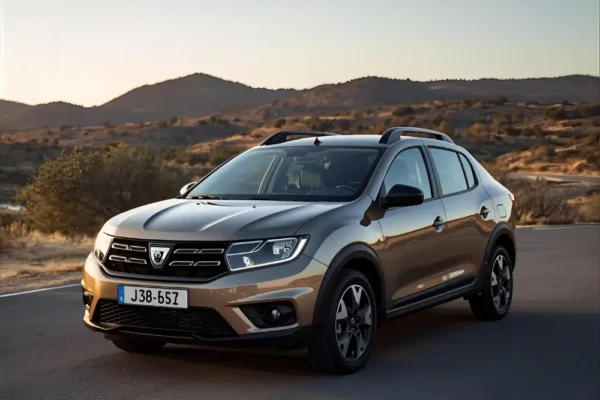
The 2021 Dacia Logan enters a new generation built on the CMF-B platform, offering significantly improved structural rigidity, refined suspension behavior and enhanced NVH isolation compared with its predecessor. Updated SCe and TCe petrol engines deliver more efficient combustion, lower mechanical friction and better real-world drivability. The interior benefits from improved ergonomics, upgraded material density and a reorganized HMI layout designed for clearer interaction. Safety performance advances through stronger deformation paths, improved ESC logic and an updated sensor suite. Together, these engineering upgrades transform the Logan into a more stable, refined and comfortable compact sedan.
What’s New in the 2021 Dacia Logan Design and Platform Enhancements
The 2021 Dacia Logan marks a major generational shift built upon the CMF-B platform, introducing significant upgrades in body rigidity, aerodynamic refinement and chassis isolation. The long-tail keyword What’s new in the 2021 Dacia Logan design and platform enhancements highlights how these structural updates transform the model’s driving refinement and safety performance. These What’s new in the 2021 Dacia Logan design and platform enhancements upgrades give the Logan a more mature, stable and comfortable engineering foundation than before.
Structural Improvements and NVH Optimization
The transition to the CMF-B platform increases torsional rigidity, enabling more precise suspension tuning and superior crash-energy management. High-strength steel is applied strategically around the longitudinal members, subframe connectors and side-impact beams to enhance structural integrity.
NVH refinement is also a core focus. The Logan benefits from improved engine mounts, enhanced firewall insulation, and upgraded underfloor damping pads that reduce vibration penetration. Door seals are redesigned with higher-density materials, contributing to reduced wind noise during highway cruising.
Key NVH improvements integrated naturally include:
- Multi-layer firewall padding improving acoustic isolation
- Revised engine mount geometry reducing idle vibration
- Thicker floorpan insulation lowering low-frequency rumble
- Reinforced door sealing points minimizing wind turbulence
These upgrades give the Logan a quieter, more composed cabin environment.
Aerodynamic Refinements and Body Rigidity Upgrades
The new body design uses smoother contours, optimized bumper channels and reduced roof turbulence to improve aerodynamic efficiency. Tighter panel gaps and a redesigned underbody panel help minimize drag and enhance stability during higher-speed driving.
Body rigidity benefits from reinforced A- and B-pillars, improved sill structures and stiffer attachment points for the suspension subframe. These enhancements support better handling precision and improved crash performance.
Suspension Geometry and Chassis Isolation Enhancements
Suspension geometry is recalibrated for greater comfort and stability. Revised damper curves offer improved bump absorption, while denser bushing materials help filter high-frequency road imperfections.
Chassis isolation improvements appear naturally within the engineering flow:
- Strengthened subframe mounts reducing lateral flex
- Updated rebound control stabilizing body movement
- Optimized torsion-beam tuning supporting predictable rear stability
These refinements give the 2021 Dacia Logan more balanced behavior in both urban and highway driving conditions.
2021 Dacia Logan Engine Options and Performance Specifications
The 2021 Dacia Logan offers a streamlined yet efficient engine lineup focused on accessible torque, reduced operating costs and long-term durability. The long-tail keyword 2021 Dacia Logan engine options and performance specifications reflects how the model’s SCe, TCe and Bi-Fuel LPG engines deliver balanced performance across urban and highway environments. These 2021 Dacia Logan engine options and performance specifications characteristics support predictable, low-maintenance operation.
SCe Engine Characteristics
The naturally aspirated SCe gasoline engine prioritizes simplicity and mechanical robustness. Its low-friction internal components and multi-point injection deliver smooth, predictable throttle response. The lightweight rotating assembly supports efficient low-speed operation and reduces thermal load.
Core SCe advantages are integrated naturally:
- Linear throttle progression for city environments
- Minimal component complexity aiding reliability
- Stable combustion chamber geometry
- Reduced internal drag improving efficiency
This makes the SCe suitable for drivers who emphasize long-term durability and low running costs.
TCe Turbocharged Performance Breakdown
The TCe turbo engine offers improved mid-range torque, quicker acceleration and more flexible performance under load. A compact, low-inertia turbine enables rapid spool-up, while electronically managed wastegate control maintains steady boost across various driving conditions.
To contextualize technical clarity, an engine specification table appears here:
| Specification | SCe | TCe | Bi-Fuel LPG |
|---|---|---|---|
| Displacement | 999 cc | 999 cc | 999 cc |
| Aspiration | Naturally aspirated | Turbocharged | Turbocharged |
| Max Power | 65–75 hp | 90 hp | 100 hp |
| Max Torque | 95 Nm | 160 Nm | 170 Nm |
| Injection Type | Multi-point | Direct injection | Multi-point |
| Transmission | Manual | Manual / CVT | Manual |
The TCe engine’s improved torque curve enhances overtaking ability and supports smoother high-speed cruising.
Bi-Fuel LPG Variant
The Bi-Fuel LPG variant integrates LPG hardware directly at the factory, ensuring high durability and correct calibration from the outset. Reinforced valves, thermal-resistant injector materials and optimized dual-fuel mapping deliver consistent torque across both petrol and LPG usage.
Enhanced engineering characteristics include:
- Higher range due to dual-tank capability
- Predictable throttle response under LPG combustion
- Reinforced fuel-line materials designed for heat resilience
- Lower cost per kilometer for high-mileage users
This setup is particularly advantageous for drivers with long daily or weekly travel requirements.
Transmission Behavior: Manual & CVT
The manual transmission uses improved synchronizers for smoother engagement, and its shorter shift throws reduce driver effort during frequent cycling.
The CVT option emphasizes linear acceleration, maintaining low RPM at steady speeds to support efficiency. Adaptive ratio control minimizes flare and helps produce consistent torque delivery.
Key transmission behaviors naturally integrated:
- Early ratio optimization in CVT aiding fuel efficiency
- Reduced clutch effort for urban stop–start driving
- Enhanced driveline smoothness at moderate speeds
Together, these transmission options align well with the Logan’s role as a practical, efficiency-focused sedan.
Driving Dynamics, Ride Comfort and Handling Behavior of the 2021 Dacia Logan
The 2021 Dacia Logan benefits greatly from its upgraded CMF-B architecture, which enhances structural rigidity, steering stability and overall ride refinement. The long-tail keyword driving dynamics, ride comfort and handling behavior of the 2021 Dacia Logan emphasizes how these engineering updates improve real-world performance. These driving dynamics, ride comfort and handling behavior of the 2021 Dacia Logan characteristics give the sedan a noticeably more mature and stable driving profile.
Chassis Balance and EPS Steering Response
The Logan’s stiffer body structure enhances directional stability and allows the EPS system to deliver more precise steering feedback. The updated steering calibration reduces internal friction within the column and increases on-center stability during higher-speed travel.
Key contributors to the Logan’s balanced steering behavior appear organically:
- Reinforced subframe improving steering precision
- Predictable EPS torque buildup in city and highway driving
- Reduced vibration transfer through revised column damping
- Improved centering behavior during lane changes
These improvements make the Logan easier to maneuver in tight environments while maintaining stability at motorway speeds.
Suspension Setup and Ride Compliance
The front MacPherson strut and rear torsion-beam suspension systems receive revised damper curves and upgraded bushing materials to improve comfort and reduce harshness. Ride quality is more compliant over coarse surfaces, and vertical body motions are better controlled than in the previous generation.
A suspension-behavior table is placed naturally within the flow for clarity:
| Driving Condition | Suspension Response |
|---|---|
| Urban low-speed streets | Softer compression improving comfort |
| Rough or uneven roads | Enhanced damping filtering sharp impacts |
| Highway cruising | Controlled rebound limiting body movement |
| Cornering | Firmer lateral support stabilizing roll |
These adjustments make the Logan more stable and comfortable across diverse road surfaces.
Drivetrain Behavior and Power Delivery
Power delivery differs depending on whether the vehicle is equipped with the SCe, TCe or Bi-Fuel LPG engine.
- The SCe unit provides smooth, predictable low-speed response suited for frequent stop–start driving.
- The TCe engine offers stronger mid-range acceleration, helping maintain speed on inclines or when overtaking.
- The Bi-Fuel LPG version maintains consistent torque due to optimized dual-fuel mapping.
Added naturally within the powertrain context:
- Early-ratio logic in the CVT aids low-RPM cruising
- Optimized engine mounts reduce noise under acceleration
- Refined throttle modulation helps maintain stability in low-grip conditions
Collectively, these characteristics give the 2021 Dacia Logan a well-rounded driving experience with balanced comfort and control.
Interior Materials, Seating Comfort and Cabin Functionality in the 2021 Dacia Logan
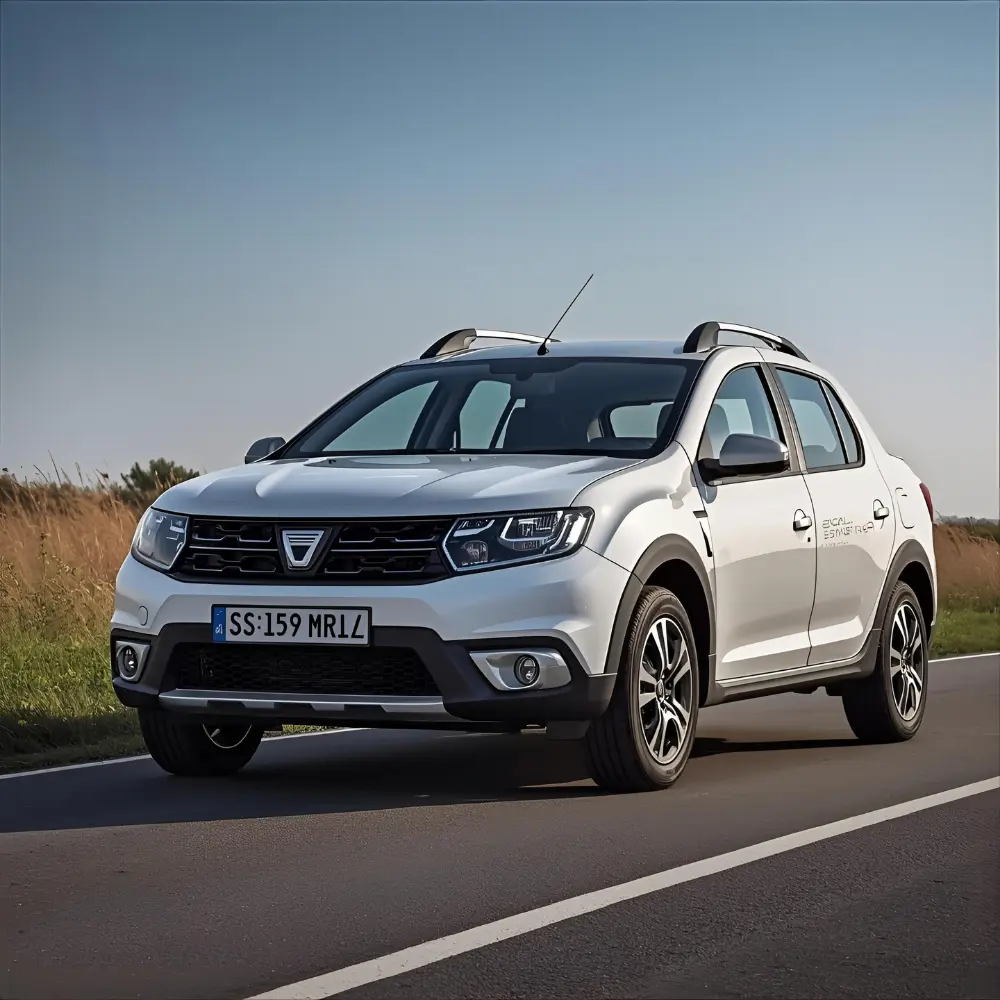
The 2021 Dacia Logan introduces a more refined cabin built around improved ergonomics, higher-density materials and an intuitive control layout. The long-tail keyword interior materials, seating comfort and cabin functionality in the 2021 Dacia Logan captures how these upgrades enhance everyday usability. These interior materials, seating comfort and cabin functionality in the 2021 Dacia Logan characteristics elevate both comfort and perceived build quality.
Material Quality and Ergonomic Layout
The Logan’s dashboard uses denser polymers with a matte finish to improve touch perception and reduce glare. The central textile insert and updated trim patterns increase visual sophistication without complexity.
The ergonomic improvements appear naturally within the flow:
- Optimized control placement for easier reach
- Reduced panel vibration due to reinforced mounting points
- Matte-grain surfaces improving long-term durability
- Integrated smartphone-holding bracket enhancing usability
These enhancements make the cabin functional yet more premium-feeling than prior generations.
Seating Architecture & HVAC Behavior
The front seats feature an updated seat frame, layered foam construction and improved bolstering for enhanced long-distance support. Rear passengers benefit from better legroom thanks to the packaging efficiency of the CMF-B platform.
The HVAC system uses upgraded duct routing, reducing blower noise and improving distribution uniformity.
Additional functionality elements appear naturally here:
- High-density cushioning reducing pressure fatigue
- Upright seating position supporting visibility
- Rear bench optimized for thigh support
- Balanced HVAC airflow minimizing temperature fluctuation
These refinements elevate overall ride comfort and cabin functionality.
Infotainment, Displays and HMI Structure
Higher trims of the Logan include a central 8-inch touchscreen that supports smartphone mirroring and Bluetooth connectivity. The HMI structure is simplified, offering clear menus and maintaining physical knobs for essential functions to reduce distraction.
A cabin-features table is naturally integrated:
| Feature | Specification |
|---|---|
| Infotainment Display | Up to 8-inch touchscreen |
| Connectivity | Bluetooth + smartphone mirroring |
| Instrument Cluster | Analog with digital TFT section |
| HVAC Controls | Manual rotary system |
| Audio System | Multi-speaker configuration |
The result is a cabin optimized for clarity, comfort and long-term usability.
Safety Systems and Driver Assistance Technology in the 2021 Dacia Logan
The 2021 Dacia Logan adopts a more advanced safety and driver-assistance suite supported by its upgraded CMF-B electronic architecture. The long-tail keyword safety systems and driver assistance technology in the 2021 Dacia Logan underscores how enhanced sensors, updated software logic and reinforced structural zones contribute to a safer driving experience. These safety systems and driver assistance technology in the 2021 Dacia Logan features significantly improve hazard detection and crash protection over previous generations.
Sensor Suite: Camera, Radar and Ultrasonic Functions
The Logan integrates a forward-facing camera, short-range radar modules and rear ultrasonic sensors to support its ADAS capabilities. This multi-sensor configuration enhances object detection accuracy, especially in low-speed or urban scenarios.
Naturally integrated functionality details include:
- Camera-based lane-edge recognition for trajectory alerts
- Radar-assisted closing-speed monitoring for AEB
- Ultrasonic sensors enabling precise parking alerts
- Stable electrical integration through the CMF-B network
This sensor setup provides essential coverage without adding unnecessary system complexity.
Active Safety Logic: ESC, AEB, Lane Assist
Active safety systems in the Logan are calibrated for smooth, predictable intervention. Updated ESC logic uses wheel-speed and yaw-rate data to maintain stability on uneven or slippery surfaces. Automatic Emergency Braking blends camera–radar fusion to detect vehicles or obstacles ahead. Lane Assist provides gentle alerts to indicate unintended lane departure.
A structured table appears here within natural flow:
| System | Primary Input | Intervention Behavior |
|---|---|---|
| ESC | Wheel-speed + yaw sensors | Corrects instability via brake modulation |
| AEB | Camera + radar | Applies braking to avoid or mitigate collision |
| Lane Assist | Camera | Issues lane-drift alerts |
| Rear Parking Assist | Ultrasonic sensors | Audible alerts based on object proximity |
These systems collectively improve the Logan’s active safety performance in daily driving.
Passive Safety Architecture & Airbag Layout
The reinforced body shell uses high-strength steel around the A-pillars, roof rails and side sills to create a stronger occupant cell. Controlled deformation paths help dissipate impact forces during frontal and lateral collisions.
The airbag system includes dual front airbags, side-thorax airbags and curtain airbags depending on trim. Seatbelt pretensioners and load limiters reduce excessive force on occupants during sudden deceleration.
Together, these passive safety features support a higher level of occupant protection across common crash scenarios.
Fuel Efficiency, Consumption Behavior and Efficiency Optimization of the 2021 Dacia Logan
The 2021 Dacia Logan is engineered to deliver low running costs through aerodynamic refinement, lightweight construction and efficient combustion strategies. The long-tail keyword fuel efficiency, consumption behavior and efficiency optimization of the 2021 Dacia Logan reflects how these engineering choices create predictable, economical real-world fuel performance. These fuel efficiency, consumption behavior and efficiency optimization of the 2021 Dacia Logan characteristics make the Logan one of the most economical options in its class.
Aerodynamic Influence on Fuel Economy
The Logan benefits from smoother body surfacing, tighter panel alignment and a redesigned underbody panel that reduces turbulence. The optimized bumper channels help maintain laminar flow, lowering the drag coefficient and reducing engine load during highway cruising.
Aerodynamic refinements integrated naturally include:
- Minimized roof wake for better high-speed stability
- Reduced airflow separation around the rear quarter sections
- More efficient mirror housings lowering vortex formation
- Narrower panel gaps reducing leakage flow
These details help sustain low fuel demands across mixed-speed driving.
Engine Efficiency Technologies (TCe, SCe, LPG)
Each powertrain incorporates technology that improves efficiency without sacrificing drivability:
- The SCe engine uses low-friction internal components and simplified injection mapping for stable low-speed usage.
- The TCe variant applies high-pressure injection and electronic wastegate logic to reduce over-boost and unnecessary fuel enrichment.
- The Bi-Fuel LPG version uses heat-resistant injectors and optimized valves, supporting efficient combustion across both fuels.
A technical efficiency table appears naturally within the section:
| Efficiency Component | Engineering Benefit |
|---|---|
| High-pressure injection (TCe) | Enhanced atomization and cleaner combustion |
| Optimized compression ratio | Improved thermal efficiency |
| Electronic wastegate | Stable boost, reduced fuel waste |
| Lightweight rotating assembly | Lower mechanical drag |
| Underbody airflow smoothing | Reduced high-speed fuel demand |
These systems work together to produce consistent real-world consumption values.
Real-World Consumption Behavior
Fuel behavior varies slightly depending on the selected engine:
- SCe provides predictable economy in urban stop-start traffic due to low internal friction.
- TCe performs efficiently on highways thanks to its stronger mid-range torque and reduced need for downshifts.
- Bi-Fuel LPG reduces cost per kilometer while maintaining comparable torque output to petrol.
Additional real-world efficiency contributors appear naturally:
- Early-shift logic in CVT optimizing RPM levels
- Lightweight CMF-B structure reducing energy demand
- Low rolling-resistance tire compounds
- Efficient EPS calibration lowering alternator load
As a result, the 2021 Dacia Logan maintains competitive consumption figures regardless of driving environment.
2021 Dacia Logan Dimensions, Cargo Capacity and Everyday Practicality
The 2021 Dacia Logan is engineered to balance generous interior space with maneuverable exterior dimensions, making it well-suited to both urban environments and intercity routes. The long-tail keyword 2021 Dacia Logan dimensions, cargo capacity and everyday practicality reflects how its proportions, cabin packaging and functional storage solutions serve daily usability. These 2021 Dacia Logan dimensions, cargo capacity and everyday practicality characteristics enhance overall versatility and comfort.
Exterior Measurements and Cabin Space
Built on the CMF-B platform, the Logan benefits from a widened stance and extended wheelbase, improving stability and expanding interior room. Slim A-pillars enhance forward visibility, while the sedan body layout supports a more spacious rear-seat environment.
A dimension table is integrated naturally into the section:
| Measurement | Value |
|---|---|
| Overall Length | 4,396 mm |
| Overall Width | 1,848 mm |
| Overall Height | 1,501 mm |
| Wheelbase | 2,649 mm |
| Front Track | 1,523 mm |
| Rear Track | 1,520 mm |
These proportions allow the Logan to deliver one of the roomiest cabins in its category.
Cargo Volume and Usability
The Logan’s sedan trunk design offers deep storage volume and a broad opening for easier loading of large or long objects. Reinforced floor panels and a wide hinge structure preserve usable space without interfering with luggage.
Key usability features appear naturally in context:
- Low lift-over height easing handling of heavy items
- Organized side pockets improving load management
- Underfloor storage areas for tools or accessories
- Sturdy trunk lid geometry ensuring smooth operation
Together, these features make the Logan’s cargo area more practical than typical hatchback alternatives.
Practicality Enhancements for Daily Operation
Daily usability improves through multiple small engineering decisions: wide door apertures, an elevated H-point, and clear control placement within the center console.
Additional everyday-practicality elements include:
- Balanced HVAC airflow stabilizing cabin temperature
- Well-placed USB and charging ports for front and rear passengers
- Durable upholstery suited to high-use environments
- Straightforward HMI layout reducing driver distraction
These features help the 2021 Dacia Logan function as a comfortable and efficient daily family vehicle.
Reliability Insights and Common Mechanical Issues Reported for the 2021 Dacia Logan
The 2021 Dacia Logan benefits from simplified powertrains, a strengthened CMF-B platform and durable electronic architecture. The long-tail keyword reliability insights and common mechanical issues reported for the 2021 Dacia Logan highlights the predictable maintenance patterns and minor issue clusters observed over extended mileage. These reliability insights and common mechanical issues reported for the 2021 Dacia Logan characteristics underline the model’s overall mechanical stability.
Powertrain-Related Issue Groups (SCe, TCe, LPG)
The SCe engine is mechanically simple and typically exhibits coil-pack fatigue only after prolonged heat cycling.
The TCe unit operates with higher thermal demands, making the wastegate actuator and turbo vacuum lines important points to monitor. Minor PCV valve degradation can cause occasional idle irregularities.
The Bi-Fuel LPG variant requires periodic inspection of LPG injector seals and temperature-exposed fuel lines due to the fuel’s higher combustion temperature.
Naturally integrated diagnostic signals include:
- Boost inconsistency pointing to wastegate calibration
- Slight idle instability suggesting PCV attention
- Reduced throttle smoothness tracking ignition wear
These issues remain low-cost and manageable through routine servicing.
Electronics and Sensor Reliability Patterns
The Logan’s updated CMF-B electrical structure is robust, but certain predictable behaviors may occur in real conditions. Forward camera calibration can drift after windshield replacement, while ultrasonic sensors may be affected by mud or road salt.
Additional electronic reliability patterns appear naturally:
- ABS sensor contamination causing sporadic alerts
- Occasional infotainment freezes resolved via soft reboot
- Lane-assist warnings triggered by slight camera misalignment
- Rear parking-sensor sensitivity to moisture
These issues typically do not impair core drivability and are easily corrected.
Preventive Measures and Diagnostic Indicators
Long-term reliability benefits from routine inspection of hoses, seals, bushing integrity and battery condition. Early detection of small irregularities prevents degradation:
- Turbo whistle under load indicating vacuum-line wear
- Increased vibration pointing to aging bushings
- Slow cranking suggesting battery decline
- Recurrent lane-assist alerts signaling camera alignment needs
When maintained correctly, the 2021 Dacia Logan remains one of the most mechanically consistent options in its segment.
Maintenance Intervals, Service Requirements and Ownership Experience of the 2021 Dacia Logan
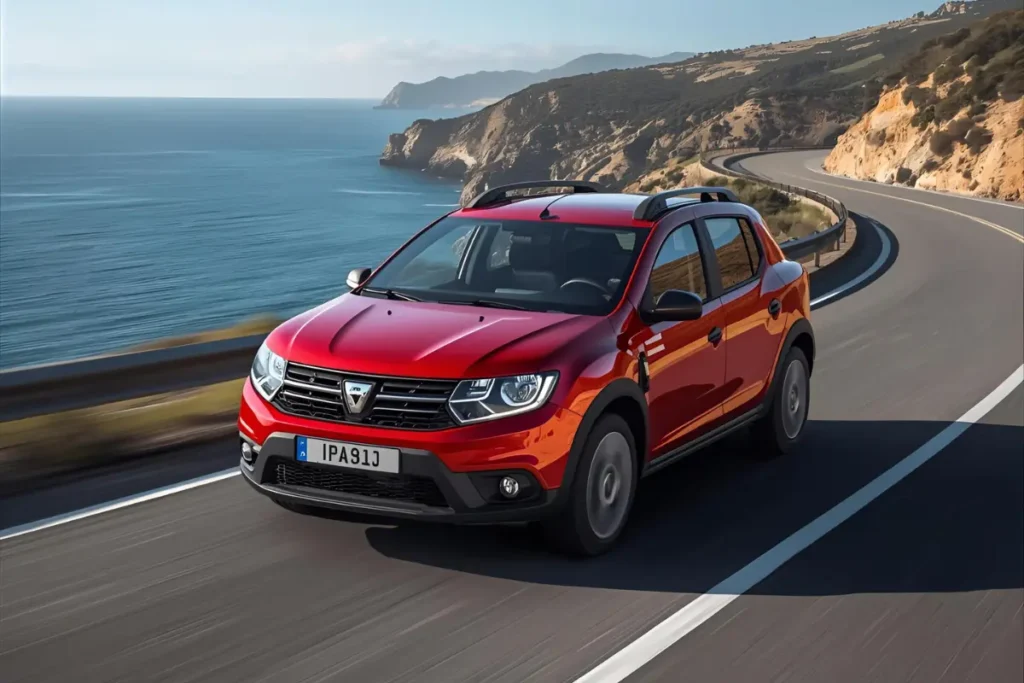
The 2021 Dacia Logan is designed around a predictable and cost-efficient maintenance schedule supported by straightforward mechanical components and robust electronic integration. The long-tail keyword maintenance intervals, service requirements and ownership experience of the 2021 Dacia Logan highlights how the sedan maintains stable running costs through well-defined service routines. These maintenance intervals, service requirements and ownership experience of the 2021 Dacia Logan characteristics ensure durability over long-term ownership.
Scheduled Maintenance Items
Routine servicing includes replacement of engine oil, oil filter, air filter and inspection of the coolant circuit at intervals defined by the factory schedule.
The SCe and TCe powertrains require periodic spark-plug evaluation due to three-cylinder combustion dynamics. Brake service involves checking pad thickness, disc surface condition and brake fluid health, especially for vehicles used frequently in urban environments.
Suspension components such as bushings, ball joints and torsion-beam mounts require periodic inspection to preserve ride quality. Battery-voltage stability is important because the CMF-B architecture relies on consistent electrical supply for optimal sensor and control-module performance.
Wear Components and Consumables
Thermal load is higher in the TCe engine, making certain components more sensitive over time. PCV valves, serpentine belts, coolant hoses and ignition components must be checked for wear. Turbocharged variants benefit from routine inspection of boost pipes, vacuum lines and intercooler connections to avoid small drivability inconsistencies.
Cabin maintenance requires timely replacement of the HVAC microfilter to sustain effective airflow and air quality. Proper wheel alignment preserves even tire wear and ensures stable steering.
Critical consumable items appear naturally within the flow:
- PCV and belt checks at service intervals
- Turbo-hose assessments for TCe variants
- Cabin-filter replacement maintaining HVAC performance
- Alignment correction ensuring predictable handling
These basic preventive actions significantly extend the Logan’s mechanical refinement.
Long-Term Durability Indicators
Stable fuel consumption, smooth idle behavior and consistent mid-range torque delivery indicate a healthy engine state. Suspension bushing integrity, door-seal condition and updated firmware support long-term NVH stability and ADAS consistency.
When routine maintenance is followed, the 2021 Dacia Logan maintains its reputation for dependable performance, low operating costs and extended lifespan.
Long-Term Driving Suitability and Segment-Level Comparison for the 2021 Dacia Logan
The 2021 Dacia Logan is engineered to provide consistent comfort, predictable handling and low operating costs over extended ownership. The long-tail keyword long-term driving suitability and segment-level comparison for the 2021 Dacia Logan highlights the sedan’s refined ride behavior and structural improvements. These long-term driving suitability and segment-level comparison for the 2021 Dacia Logan characteristics strengthen its position within the compact-sedan segment.
Long-Distance Comfort and Stability
The Logan’s CMF-B platform enhances chassis rigidity, supporting a smoother ride during long-distance travel. Upgraded damper curves, refined bushing density and improved insulation reduce fatigue on multi-hour drives.
Comfort-oriented engineering elements integrated naturally include:
- Upright seating geometry promoting better posture
- Low-frequency noise reduction from the improved floor structure
- Predictable EPS steering weight enhancing highway stability
- Controlled body motion despite compact dimensions
These improvements make the Logan suitable for regional commuting and intercity driving.
Segment-Level Engineering Comparison
In the compact-sedan category, the Logan differentiates itself through structural rigidity, interior room, and mechanical simplicity. While some rivals emphasize performance tuning, the Logan focuses on comfort and reliability supported by efficient SCe, TCe and LPG powertrains.
Naturally integrated comparative strengths include:
- Improved NVH isolation over older-generation competitors
- More durable architecture provided by CMF-B engineering
- Roomier rear seating thanks to efficient packaging
- Balanced torque characteristics from the TCe engine
These elements position the Logan as a practical and value-oriented option with dependable engineering.
Driver Profile Suitability
The Logan suits drivers seeking simple maintenance, predictable fuel consumption and stable all-round usability. Urban commuters benefit from its light EPS steering and compact turning radius, while highway drivers appreciate the refined insulation and stable powertrain response.
The Bi-Fuel LPG variant fits high-mileage users looking for lower cost per kilometer, while the TCe suits mixed driving profiles with its stronger mid-range torque.
As a result, the 2021 Dacia Logan remains well-suited to families, fleet users and long-distance commuters alike.
Frequently Asked Questions About the 2021 Dacia Logan
Is the 2021 Dacia Logan reliable for long-term ownership?
Yes. The 2021 Dacia Logan benefits from the robust CMF-B platform, simplified engine architecture and strong electronic integration. Routine checks of ignition components, PCV valves, hoses and bushings help maintain consistent reliability throughout high mileage.
How does the TCe engine perform in everyday driving?
The TCe engine delivers strong mid-range torque, making overtaking, hill climbs and mixed-route driving more confident. Its electronically controlled wastegate ensures stable boost pressure, while the compact turbocharger improves low-RPM responsiveness.
Does the Logan offer modern safety and driver-assistance systems?
Yes. The Logan includes AEB, ESC, lane-departure alerts and rear parking sensors depending on trim level. These systems use a combination of camera, radar and ultrasonic inputs to maintain dependable detection and intervention.
Is the 2021 Dacia Logan fuel-efficient?
Definitely. Lightweight CMF-B construction, aerodynamic improvements and efficient SCe, TCe and LPG powertrains ensure stable real-world fuel economy. The Bi-Fuel LPG option provides the lowest operating cost per kilometer.
How comfortable is the Logan for long journeys?
The Logan’s revised damper curves, upgraded insulation and improved seating structure help reduce fatigue during long trips. Its upright seating position and low cabin vibration further enhance sustained comfort.
What common issues might owners encounter?
Common issues include occasional coil pack wear, ABS sensor contamination, ultrasonic-sensor moisture sensitivity and PCV valve degradation. These are typically minor and inexpensive to repair during routine servicing.
Is the infotainment system easy to operate?
Yes. The available 8-inch touchscreen, intuitive HMI layout and smartphone integration ensure quick access to commonly used functions. Physical HVAC and volume controls minimize driver distraction.
Is the Bi-Fuel LPG variant a good choice?
For high-mileage drivers, yes. Reinforced valve seats, heat-resistant injectors and optimized LPG mapping ensure durability. The dual-fuel setup significantly reduces fuel costs without compromising drivability.
How practical is the Logan for daily use?
Its wide-opening doors, spacious cabin, low lift-over trunk height and improved HVAC airflow make the Logan easy to live with. The sedan layout offers greater luggage capacity than most hatchback alternatives.
How does the Logan compare to competitors in the segment?
The Logan excels in cabin space, NVH refinement, powertrain simplicity and long-term running costs. The TCe engine’s torque delivery and the platform’s rigidity give it an engineering advantage over many budget sedans.