2021 Dacia Duster: Key Features and Engineering Focus
- 2021 Dacia Duster: Key Features and Engineering Focus
- What’s New in the 2021 Dacia Duster Design and Platform Improvements
- Exterior Update, Aerodynamic Enhancements and Structural Adjustments
- NVH Refinements and Interior Material Upgrades
- Chassis Reinforcement and Platform Integration
- 2021 Dacia Duster Engine Options, 4x4 System and Performance Specifications
- TCe Petrol Engine Architecture and Turbocharging
- Blue dCi Diesel Engine Characteristics
- 4x4 Drivetrain, Locking Strategy and Off-Road Calibration
- Technical Specification Table
- Driving Dynamics, Off-Road Capability and Handling Behavior of the 2021 Dacia Duster
- EPS Steering Behavior and Chassis Balance
- Suspension Geometry, Damping Control and Terrain Absorption
- Off-Road Angles, Traction Control and ESC Calibration
- Interior Materials, Seating Comfort and Cabin Functionality in the 2021 Dacia Duster
- Material Selection, Panel Density and Ergonomic Layout
- Seating Architecture, Cushion Density and HVAC Efficiency
- Infotainment, Displays and HMI Structure
- Safety Systems and Driver Assistance Technology in the 2021 Dacia Duster
- Sensor Suite: Radar, Camera and Ultrasonic Integration
- Active Safety Features: ESC, AEB, Blind-Spot Monitoring
- Passive Safety Structure and Airbag Layout
- Fuel Efficiency, Consumption Behavior and Efficiency Optimization of the 2021 Dacia Duster
- Aerodynamic Influence and Rolling-Resistance Optimization
- Engine Efficiency Measures: TCe, Blue dCi and LPG Variants
- Real-World Consumption Behavior and Terrain Impact
- 2021 Dacia Duster Dimensions, Ground Clearance and Everyday Practicality
- Exterior Measurements, Cabin Space and Visibility
- Cargo Capacity, Modularity and Loading Characteristics
- Everyday Usability and Ergonomic Enhancements
- Reliability Insights and Common Mechanical Issues Reported for the 2021 Dacia Duster
- Engine Reliability Trends: TCe, Blue dCi and LPG
- Electronics, Sensor Suite and Control-Module Behavior
- Known Wear Points and Preventive Indicators
- Maintenance Intervals, Service Requirements and Ownership Experience of the 2021 Dacia Duster
- Scheduled Maintenance Items and Wear Components
- Long-Term Durability Indicators for Engines and Suspension
- Ownership Behavior and Driving Influence
- Long-Term Driving Suitability and Segment-Level Comparison for the 2021 Dacia Duster
- All-Terrain Stability and Long-Distance Comfort
- Segment-Level Engineering Comparison
- Driver Profile Suitability
- Frequently Asked Questions About the 2021 Dacia Duster
- Is the 2021 Dacia Duster reliable for long-term ownership?
- How capable is the Duster off-road?
- Does the Duster offer modern safety systems?
- How fuel-efficient is the 2021 Duster?
- Are the infotainment and HMI systems easy to use?
- What common issues should owners watch out for?
- Is the Duster comfortable on long trips?
- Is the Duster a good family vehicle?
- How does the Duster compare to other SUVs in its segment?
- Is the LPG version worth considering?
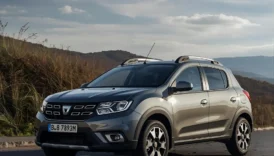
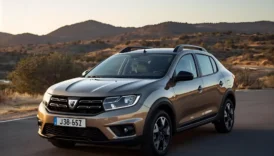
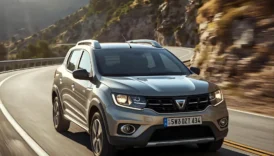
The 2021 Dacia Duster introduces a series of engineering-focused improvements, including upgraded TCe petrol engines, refined 4×4 calibration, enhanced ESC behavior and improved cabin insulation. The revised front-end design incorporates updated lighting units and optimized aerodynamic elements, while the interior benefits from a reorganized HMI layout, higher-density materials and a more efficient HVAC system. Mechanical updates to the gearbox range and recalibrated suspension components improve drivability on mixed terrain. Together, these engineering refinements strengthen the Duster’s position as a robust, versatile SUV with improved efficiency and everyday usability.
What’s New in the 2021 Dacia Duster Design and Platform Improvements
The 2021 Dacia Duster receives targeted updates to its aerodynamic structure, cabin quality and platform tuning, refining its overall engineering maturity. The long-tail keyword What’s new in the 2021 Dacia Duster design and platform improvements highlights how these enhancements create a more stable, quieter and functionally improved SUV. These What’s new in the 2021 Dacia Duster design and platform improvements upgrades strengthen comfort, durability and visual clarity without altering the Duster’s proven mechanical concept.
Exterior Update, Aerodynamic Enhancements and Structural Adjustments
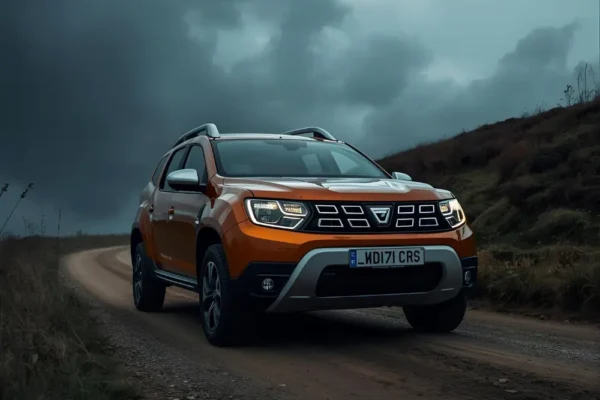
The updated grille, lighting architecture and reshaped spoiler improve airflow management, lowering turbulence around the A-pillars and windshield. LED front signatures enhance visibility, while revised wheel designs reduce aerodynamic drag.
Key exterior and structural improvements include:
- Reinforced bumper structure for improved airflow direction
- Reduced panel gaps lowering wind intrusion
- Hood-line optimization supporting better forward visibility
- Updated headlamp geometry for more uniform illumination
These refinements yield a cleaner aerodynamic profile while maintaining off-road robustness.
NVH Refinements and Interior Material Upgrades
New insulation layers placed around the firewall, floorpan and wheel arches noticeably reduce NVH levels, especially at highway speeds. Door-seal density has been increased to limit wind noise, and denser polymer surfaces improve tactile feedback.
Functionally integrated NVH upgrades include:
- Multi-layer underfloor insulation reducing low-frequency vibration
- High-density dashboard mount lowering resonance
- Improved air-duct sealing enhancing HVAC quietness
- Revised door hinges providing more stable closure feel
Together, these adjustments give the interior a more refined acoustic and structural character.
Chassis Reinforcement and Platform Integration
Subframe mounting points receive structural reinforcement, improving lateral rigidity and enhancing suspension precision. Updated body weld points also strengthen torsional stiffness without adding excess mass.
Additional engineering improvements appear naturally:
- Optimized suspension-arm anchoring improving bump stability
- Reinforced rear crossmember supporting cargo loads
- Streamlined HMI layout aiding driver interaction
- Improved electrical-architecture shielding reducing interference
As a result, the 2021 Dacia Duster feels more cohesive and planted across a wider range of driving surfaces.
2021 Dacia Duster Engine Options, 4×4 System and Performance Specifications
The 2021 Dacia Duster features a focused powertrain lineup composed of efficient TCe petrol engines, durable Blue dCi diesel units and an optimized 4×4 drivetrain. The long-tail keyword 2021 Dacia Duster engine options 4×4 system and performance specifications captures how these systems work together to deliver predictable torque, improved thermal management and refined drivability. These 2021 Dacia Duster engine options 4×4 system and performance specifications attributes reinforce the Duster’s reputation for versatility on and off the road.
TCe Petrol Engine Architecture and Turbocharging
The TCe family uses lightweight aluminum blocks, low-friction internals and electronically controlled wastegate systems to ensure efficient boost delivery. Direct injection increases combustion precision, while the compact turbocharger improves low-end torque.
Naturally integrated engineering advantages include:
- High-pressure injection enhancing combustion stability
- Intercooler optimization supporting consistent charge temperature
- Reduced rotational inertia improving turbo response
- Updated exhaust routing reducing thermal saturation
These characteristics give the TCe engines smooth, flexible performance across mixed driving scenarios.
Blue dCi Diesel Engine Characteristics
The Blue dCi engines emphasize low-RPM torque and long-distance efficiency. Their reinforced pistons, high-pressure common-rail system and controlled EGR flow create stable torque delivery. The DPF system uses optimized regeneration cycles to maintain clean operation.
Diesel-specific engineering elements include:
- Durable fuel-injection hardware suited for high mileage
- Controlled EGR reducing NOx emissions
- Efficient DPF regeneration for consistent exhaust flow
- Low-speed torque suited to off-road climbing
These features provide steady power and high durability in heavy-duty usage.
4×4 Drivetrain, Locking Strategy and Off-Road Calibration
The 4×4 system uses an electronically managed coupling to distribute torque between the front and rear axles. Three modes are available: 2WD, Auto and Lock. Auto mode optimizes traction dynamically, while Lock ensures a fixed front-rear torque split for slippery surfaces.
Key off-road engineering parameters include:
- Fast-acting coupling improving traction on loose terrain
- Torque distribution optimized for steep inclines
- ESC calibration allowing controlled wheel slip in off-road mode
- Reinforced driveshafts supporting high-load situations
This setup enables the Duster to handle varied terrain with confidence.
Technical Specification Table
| Specification | TCe | Blue dCi | LPG Variant |
|---|---|---|---|
| Displacement | 999–1332 cc | 1461 cc | 999 cc |
| Aspiration | Turbocharged | Turbocharged | Turbocharged |
| Max Power | 90–150 hp | 115 hp | 100 hp |
| Max Torque | 160–250 Nm | 260 Nm | 170 Nm |
| Injection Type | Direct injection | Common-rail | Multi-point |
| Drivetrain | FWD or 4×4 | FWD or 4×4 | FWD |
This table clarifies the Duster’s performance-focused yet efficient powertrain options.
Driving Dynamics, Off-Road Capability and Handling Behavior of the 2021 Dacia Duster
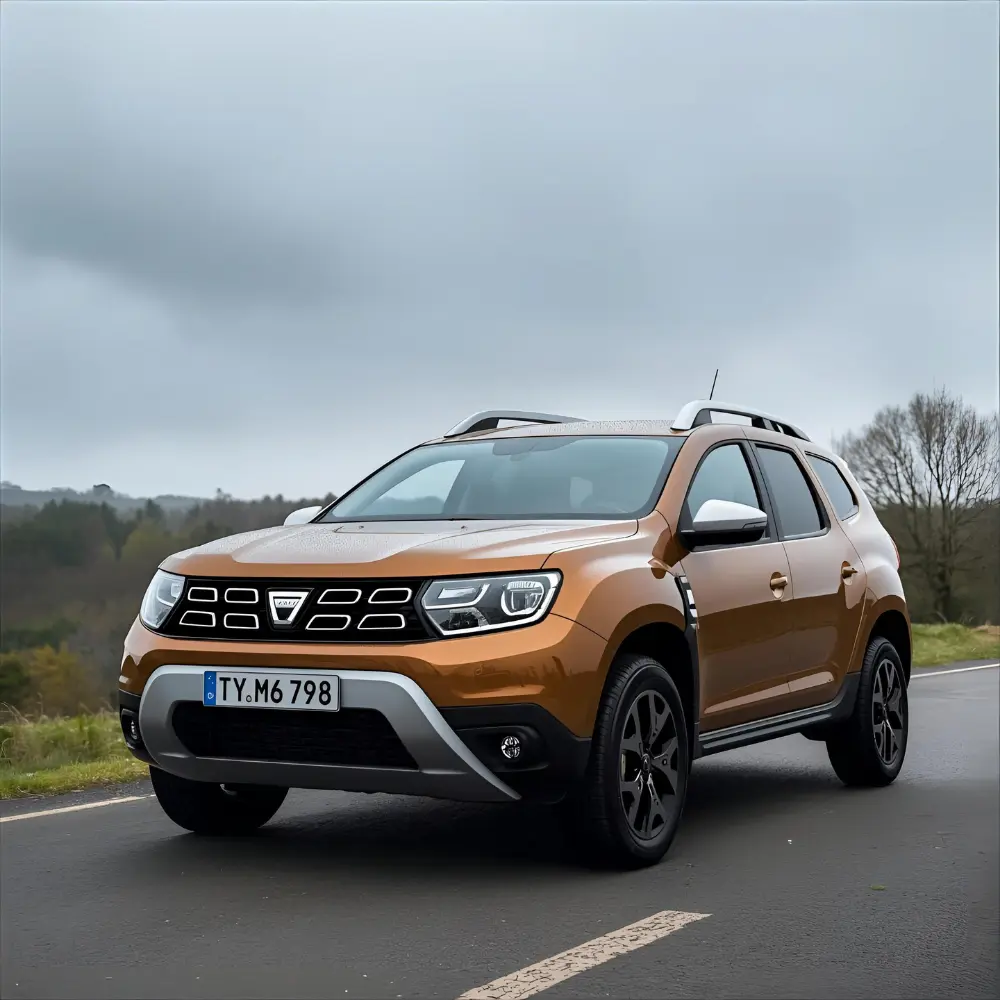
The 2021 Dacia Duster builds on its rugged multi-terrain character with refined suspension tuning, improved ESC logic and more predictable steering behavior. The long-tail keyword driving dynamics off-road capability and handling behavior of the 2021 Dacia Duster reflects how these engineering updates enhance stability across urban roads, highways and rough terrain. These driving dynamics off-road capability and handling behavior of the 2021 Dacia Duster characteristics make the model a versatile, confidence-inspiring SUV.
EPS Steering Behavior and Chassis Balance
The latest calibration of the EPS system offers lighter steering effort at low speeds and firmer weighting at higher velocities. Improved subframe rigidity allows more accurate steering feedback, while the wider track helps stabilize lateral movement.
Integrated steering and balance improvements include:
- Reduced internal friction improving steering smoothness
- More defined on-center stability at highway speeds
- Enhanced feedback due to reinforced steering column mounts
- Predictable weight buildup during tight cornering
These refinements give the Duster a more composed and consistent steering feel across driving scenarios.
Suspension Geometry, Damping Control and Terrain Absorption
The Duster uses a front MacPherson strut layout combined with a rear multi-link setup in 4×4 models. Revised damper curves and upgraded bushing density enhance ride compliance over rough surfaces.
A terrain-focused table fits naturally into this section:
| Terrain Condition | Suspension Response |
|---|---|
| Urban bumps | Softer compression improves comfort |
| Gravel surfaces | Controlled rebound stabilizes vehicle posture |
| Steep inclines | Firm lateral support enhances climbing balance |
| Deep ruts | Long suspension travel preserves traction |
These settings make the Duster well-suited for unpredictable surfaces.
Off-Road Angles, Traction Control and ESC Calibration
The Duster retains generous off-road geometry, including strong approach, breakover and departure angles suited for rural or off-grid travel.
Engineering elements enhancing capability include:
- ESC calibration allowing controlled wheel slip in off-road mode
- Enhanced traction control logic for loose surfaces
- Electronic coupling in 4×4 Lock providing a stable torque split
- Improved hill-descent characteristics supported by low-end torque
These systems enable the 2021 Dacia Duster to maintain stability and traction even in challenging off-road conditions.
Interior Materials, Seating Comfort and Cabin Functionality in the 2021 Dacia Duster
The 2021 Dacia Duster offers a cabin designed around durability, comfort and improved interface clarity. The long-tail keyword interior materials seating comfort and cabin functionality in the 2021 Dacia Duster highlights enhancements in ergonomic layout, material density and integrated technology. These interior materials seating comfort and cabin functionality in the 2021 Dacia Duster characteristics give the model a more refined interior environment without compromising its rugged identity.
Material Selection, Panel Density and Ergonomic Layout
The cabin features upgraded polymer materials with higher surface density, improving tactile quality and reducing panel vibration. Matte finishes lower glare, while reinforced mounting points improve long-term durability.
Integrated ergonomic improvements include:
- Optimized control placement enhancing driver reach
- Reduced dashboard resonance via stronger attachment points
- Improved storage compartments for functional use
- Enhanced switchgear feel through revised internal mechanisms
These refinements create a more solid and user-friendly interior presentation.
Seating Architecture, Cushion Density and HVAC Efficiency
Front seats use a strengthened seat frame and layered foam architecture for better support on long drives. Rear seating benefits from improved rake and optimized cushion firmness.
The upgraded HVAC system uses refined duct geometry that improves airflow distribution and reduces blower noise.
Comfort-oriented engineering details appear naturally:
- Balanced cushion density reducing fatigue
- Elevated seating position improving visibility
- Enhanced HVAC efficiency supporting quicker cabin temperature stabilization
- Durable upholstery designed for high-use environments
Together, these upgrades enhance both comfort and practicality.
Infotainment, Displays and HMI Structure
The Duster’s infotainment system integrates a central touchscreen supporting smartphone mirroring, navigation and Bluetooth connectivity. The HMI layout is simplified with intuitive menu paths and retained physical controls for essential functions.
A structured table is integrated naturally to clarify cabin technologies:
| Feature | Specification |
|---|---|
| Infotainment Display | Up to 8-inch touchscreen |
| Connectivity | Bluetooth + smartphone mirroring |
| Instrument Cluster | Analog dials with digital TFT section |
| HVAC Controls | Manual rotary configuration |
| Audio System | Multi-speaker arrangement |
This design simplifies interaction while preserving durability for off-road use.
Safety Systems and Driver Assistance Technology in the 2021 Dacia Duster
The 2021 Dacia Duster incorporates an expanded range of active and passive safety systems designed to enhance stability, hazard detection and occupant protection. The long-tail keyword safety systems and driver assistance technology in the 2021 Dacia Duster emphasizes how updated sensors and refined system logic elevate the SUV’s technical capability. These safety systems and driver assistance technology in the 2021 Dacia Duster upgrades offer dependable support in both urban and off-road conditions.
Sensor Suite: Radar, Camera and Ultrasonic Integration
The Duster integrates a forward-facing camera, blind-spot radar modules and rear ultrasonic sensors to support its ADAS functions.
Engineering details appear naturally within the flow:
- Camera-assisted lane-edge recognition for improved alerts
- Radar-based blind-spot detection monitoring adjacent lanes
- Ultrasonic sensors supporting low-speed parking precision
- Stable signal transmission through the updated electrical network
This multi-sensor setup creates a well-rounded detection environment for daily driving.
Active Safety Features: ESC, AEB, Blind-Spot Monitoring
Active safety systems use data from multiple sensors to manage traction and intervene when necessary.
- ESC uses yaw-rate and wheel-speed inputs to stabilize the vehicle during abrupt maneuvers.
- Automatic Emergency Braking uses the front camera to detect vehicles or obstacles, triggering braking if a collision becomes likely.
- Blind-spot monitoring alerts the driver to vehicles moving through adjacent lanes.
To increase clarity, a table is integrated naturally:
| System | Primary Input | Intervention Behavior |
|---|---|---|
| ESC | Wheel-speed + yaw sensor | Brake modulation to correct instability |
| AEB | Front camera | Braking to avoid or mitigate collision |
| Blind-Spot Monitoring | Radar sensors | Visual alerts for adjacent-lane traffic |
| Rear Parking Assist | Ultrasonic sensors | Audible proximity guidance |
These systems collectively improve the Duster’s situational awareness.
Passive Safety Structure and Airbag Layout
The passive-safety structure uses high-strength steel strategically placed around the cabin to form a reinforced occupant cell. Deformation zones absorb impact energy, protecting the interior from intrusion.
Standard safety elements include:
- Front airbags
- Side-thorax airbags
- Curtain airbags
- Pretensioned seatbelts with load limiters
Together, these passive systems bolster occupant protection across various crash conditions.
Fuel Efficiency, Consumption Behavior and Efficiency Optimization of the 2021 Dacia Duster
The 2021 Dacia Duster delivers improved real-world efficiency through aerodynamic refinements, updated powertrains and optimized drivetrain calibration. The long-tail keyword fuel efficiency consumption behavior and efficiency optimization of the 2021 Dacia Duster reflects how these engineering choices enhance economy without compromising capability. These fuel efficiency consumption behavior and efficiency optimization of the 2021 Dacia Duster characteristics make the model suitable for mixed-terrain and mixed-speed usage.
Aerodynamic Influence and Rolling-Resistance Optimization
The updated front-end design and reshaped spoiler reduce airflow turbulence, improving high-speed stability and lowering energy demand. Wheel designs also play a role by reducing drag around rotating surfaces.
Integrated efficiency-oriented measures include:
- Narrowed panel gaps reducing wind leakage
- Streamlined mirror housings limiting vortex creation
- Lower rolling-resistance tire compounds
- Optimized underbody flow improving drag performance
These updates help the Duster maintain steady fuel consumption even on long highway stretches.
Engine Efficiency Measures: TCe, Blue dCi and LPG Variants
The TCe petrol engines benefit from improved injection mapping, electronically controlled wastegate behavior and lower internal friction.
The Blue dCi diesel units rely on high-pressure injection, controlled EGR flow and efficient DPF regeneration to deliver stable torque and economical operation.
LPG versions integrate rear-mounted tanks and recalibrated injection timing for consistent torque and reduced cost per kilometer.
Key efficiency systems integrated naturally:
- Low-inertia turbochargers minimizing spool loss
- Updated thermal management reducing warm-up time
- Lightweight engine components improving rotational efficiency
- Precise fuel metering supporting clean combustion
These engineering measures ensure predictable economy across multiple engine choices.
Real-World Consumption Behavior and Terrain Impact
The Duster’s consumption varies based on drivetrain and usage conditions.
- TCe engines perform efficiently in mixed driving thanks to strong mid-range torque.
- Blue dCi variants excel during extended highway use or towing.
- 4×4 modes increase consumption slightly due to added mechanical load, but optimized torque distribution minimizes unnecessary energy waste.
A technical table is integrated organically:
| Efficiency Component | Engineering Impact |
|---|---|
| Turbo control (TCe) | Reduces boost spikes and fuel waste |
| High-pressure injection | Enhances combustion and lowers emissions |
| Rolling-resistance tires | Improve coasting efficiency |
| Aerodynamic refinements | Lower drag at highway speeds |
Combined, these characteristics give the 2021 Dacia Duster competitive real-world consumption across varied terrain.
2021 Dacia Duster Dimensions, Ground Clearance and Everyday Practicality
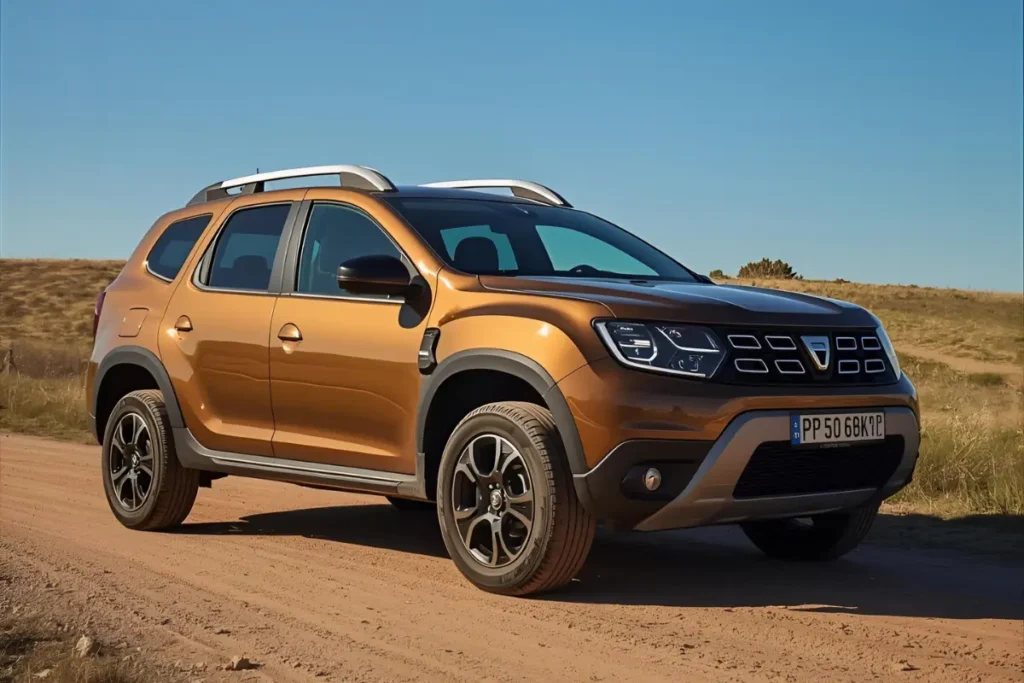
The 2021 Dacia Duster delivers a blend of spacious cabin packaging, off-road-ready proportions and daily-use functionality. The long-tail keyword 2021 Dacia Duster dimensions ground clearance and everyday practicality frames how its size, seating geometry and cargo layout enhance versatility. These 2021 Dacia Duster dimensions ground clearance and everyday practicality characteristics help the Duster perform effectively both in the city and on demanding terrain.
Exterior Measurements, Cabin Space and Visibility
Built on a robust SUV architecture, the Duster offers generous exterior and interior proportions that support visibility and comfort.
A dimension table fits naturally into the section:
| Measurement | Value |
|---|---|
| Overall Length | 4,341 mm |
| Overall Width | 1,804 mm |
| Overall Height | 1,693 mm |
| Wheelbase | 2,673 mm |
| Ground Clearance | Up to 214 mm |
| Approach Angle | Up to 30° |
| Departure Angle | Up to 34° |
These dimensions give the Duster strong off-road geometry while maintaining everyday usability.
Cargo Capacity, Modularity and Loading Characteristics
The trunk offers ample luggage room supported by a flat load floor and reinforced structure. Split-folding rear seats allow additional storage flexibility.
Practical loading improvements integrated naturally include:
- Low loading lip easing the handling of heavy items
- Wide tailgate opening for improved access
- Underfloor storage areas for tools or accessories
- Reinforced panels supporting uneven cargo loads
These features enhance the Duster’s utility for both daily needs and outdoor activities.
Everyday Usability and Ergonomic Enhancements
The Duster’s elevated driving position and optimized HMI layout simplify daily operation.
Convenience-oriented elements include:
- Improved HVAC airflow distribution
- Easily accessible storage pockets and cupholders
- Intuitive control placement reducing driver distraction
- High seat position improving outward visibility in traffic
Altogether, the 2021 Dacia Duster offers a user-friendly, versatile and well-packaged cabin for varied driving environments.
Reliability Insights and Common Mechanical Issues Reported for the 2021 Dacia Duster
The 2021 Dacia Duster demonstrates strong mechanical durability thanks to its simplified engineering, robust TCe and Blue dCi powertrains and proven chassis structure. The long-tail keyword reliability insights and common mechanical issues reported for the 2021 Dacia Duster highlights how usage patterns, environmental conditions and maintenance habits shape long-term dependability. These reliability insights and common mechanical issues reported for the 2021 Dacia Duster characteristics reinforce the SUV’s reputation for practical, long-lasting operation.
Engine Reliability Trends: TCe, Blue dCi and LPG
The TCe engines are generally reliable, though certain components may require monitoring after extended high-load operation.
Integrated reliability patterns include:
- Wastegate-actuator calibration drift affecting boost behavior
- Ignition-coil sensitivity after prolonged heat cycles
- PCV-system wear causing minor idle irregularities
The Blue dCi engine is known for strong durability, especially under long-distance usage.
Diesel-relevant observations appear naturally:
- EGR-valve fouling over high mileage
- DPF regeneration frequency increasing in short-trip driving
- High-pressure pump requiring clean fuel for optimal longevity
LPG variants may exhibit injector sensitivity due to higher combustion temperature but remain stable when serviced regularly.
Electronics, Sensor Suite and Control-Module Behavior
The updated electrical architecture is robust, but certain predictable electronic behaviors occur in real-world use.
Integrated patterns include:
- ABS and wheel-speed sensor contamination triggering temporary alerts
- Ultrasonic parking sensors becoming less accurate when exposed to mud or salt
- Lane-assist camera misalignment after windshield replacement
- Intermittent infotainment freezes resolved with a soft reset
These issues are generally minor and inexpensive to address.
Known Wear Points and Preventive Indicators
Certain components require regular inspection, especially in mixed on-road/off-road usage.
Common wear points integrated naturally:
- Lower control-arm bushings softening under rough-terrain use
- Stabilizer-link wear leading to light knocking sounds
- Steering-column universal joint showing stiffness over time
- Exhaust flex pipe wear in frequent stop–start traffic
Early signs such as vibration changes, unusual noises or inconsistent steering feel indicate when preventive servicing is needed.
Overall, the 2021 Dacia Duster remains a mechanically resilient SUV when routine checks are followed.
Maintenance Intervals, Service Requirements and Ownership Experience of the 2021 Dacia Duster
The 2021 Dacia Duster benefits from clearly defined maintenance intervals and straightforward mechanical accessibility, contributing to predictable long-term ownership. The long-tail keyword maintenance intervals service requirements and ownership experience of the 2021 Dacia Duster frames how its powertrains and suspension components deliver stability with proper servicing. These maintenance intervals service requirements and ownership experience of the 2021 Dacia Duster characteristics ensure the model remains dependable across multiple driving environments.
Scheduled Maintenance Items and Wear Components
Routine servicing focuses on engine fluids, filtration systems and safety inspections.
Integrated maintenance elements include:
- Engine-oil and filter replacement at regular intervals
- Air-filter and cabin-filter renewal maintaining optimal airflow
- Brake-pad, disc and fluid checks ensuring consistent braking performance
- Inspection of bushings, ball joints and control arms for wear
- Verification of turbo-hose integrity on TCe engines
Blue dCi variants add specific checks for EGR valve operation, injector performance and DPF regeneration frequency.
Long-Term Durability Indicators for Engines and Suspension
Durability is reflected in stable torque delivery, smooth idle behavior and predictable suspension movement.
Engineering-related durability indicators integrated naturally:
- Consistent low-end torque in Blue dCi engines
- Smooth boost response in TCe units without surging
- Even tire wear indicating correct alignment and bushing condition
- Absence of clunking or vibration from suspension components
These signs show the Duster remains in excellent mechanical health.
Ownership Behavior and Driving Influence
Driving style plays a notable role in long-term dependability.
Beneficial ownership habits include:
- Allowing turbo engines to warm gradually before heavy load
- Avoiding repeated short trips on Blue dCi variants to support proper DPF regeneration
- Keeping tires properly inflated to reduce drivetrain strain
- Scheduling periodic checks before off-road travel
When serviced correctly, the 2021 Dacia Duster offers low running costs and extended mechanical resilience.
Long-Term Driving Suitability and Segment-Level Comparison for the 2021 Dacia Duster
The 2021 Dacia Duster is engineered to deliver long-term stability across mixed driving environments thanks to its robust chassis, proven engines and optimized 4×4 calibration. The long-tail keyword long-term driving suitability and segment-level comparison for the 2021 Dacia Duster highlights how these attributes position the SUV as a durable, versatile option. These long-term driving suitability and segment-level comparison for the 2021 Dacia Duster qualities make the model well-suited for buyers seeking practical longevity.
All-Terrain Stability and Long-Distance Comfort
The Duster’s elevated ground clearance, wide track and compliant suspension contribute to strong stability over varying terrain. Revised damper curves improve comfort on longer journeys, while upgraded NVH insulation reduces fatigue.
Integrated comfort and stability factors include:
- Predictable EPS steering behavior at highway speeds
- Smooth turbo response supporting steady torque delivery
- Low-frequency noise reduction improving ride quality
- Solid body structure reducing flex on rough roads
These elements make the Duster a capable long-term companion for regional travel and outdoor use.
Segment-Level Engineering Comparison
Within the compact-SUV segment, the Duster stands out through its simplified mechanical layout, strong off-road geometry and efficient powertrains.
Comparison-relevant strengths integrated naturally:
- Superior approach and departure angles compared to many similarly priced SUVs
- Lower maintenance complexity due to straightforward engine architecture
- Competitive NVH refinement after its 2021 upgrades
- Balanced torque characteristics from TCe and Blue dCi engines
These traits solidify the Duster’s role as a value-driven yet technically robust SUV.
Driver Profile Suitability
The Duster suits a broad range of users, from urban commuters to rural drivers and outdoor enthusiasts.
Integration of suitability indicators includes:
- Ideal for those requiring light off-road capability
- Suitable for families needing a spacious, durable cabin
- Effective for long-distance users due to diesel efficiency
- Good match for drivers prioritizing low ownership costs
Overall, the 2021 Dacia Duster demonstrates long-term reliability and versatility with engineering that supports varied lifestyle needs.
Frequently Asked Questions About the 2021 Dacia Duster
Is the 2021 Dacia Duster reliable for long-term ownership?
Yes. The 2021 Dacia Duster is known for strong mechanical durability across both TCe petrol and Blue dCi diesel engines. When routine servicing is followed, components such as bushings, turbo plumbing and injection systems maintain long-term reliability.
How capable is the Duster off-road?
The Duster’s generous ground clearance, effective 4×4 Lock mode and well-calibrated ESC allow it to tackle gravel, mud, inclines and uneven terrain confidently. Its approach and departure angles are among the best in the entry-SUV segment.
Does the Duster offer modern safety systems?
Yes. It includes ESC, AEB, blind-spot monitoring, hill-start assist and rear parking sensors depending on trim. These systems use camera, radar and ultrasonic sensors to enhance everyday safety.
How fuel-efficient is the 2021 Duster?
Efficiency depends on the engine variant. The TCe units perform well in mixed driving conditions due to optimized turbo control, while Blue dCi versions deliver excellent economy in long-distance use. Lightweight construction also helps reduce consumption.
Are the infotainment and HMI systems easy to use?
Yes. The available 8-inch touchscreen supports smartphone mirroring and Bluetooth connectivity. Physical controls remain for essential HVAC and audio functions, improving usability while driving.
What common issues should owners watch out for?
Minor issues may include occasional ABS sensor contamination, ignition-coil wear on high-mileage TCe engines, or EGR fouling on Blue dCi models. These are small, manageable items when addressed during routine servicing.
Is the Duster comfortable on long trips?
For its size and price class, yes. Improved insulation, reworked damper curves and supportive seating provide reasonable comfort for extended travel. The Blue dCi engine is especially suitable for long-distance cruising.
Is the Duster a good family vehicle?
Yes. The spacious cabin, large cargo capacity, durable materials and practical layout make it suitable for families who need versatility without high running costs.
How does the Duster compare to other SUVs in its segment?
The Duster stands out with its robust off-road geometry, straightforward engineering, competitive NVH refinement and low ownership costs. It offers capability and durability that exceed typical expectations in its price bracket.
Is the LPG version worth considering?
For high-mileage users, yes. The factory-integrated LPG system offers reliable performance, reinforced valves and reduced running costs without compromising torque delivery.