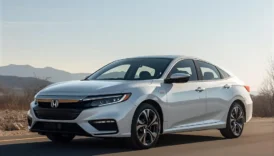
2021 Honda Passport: Core SUV Features Overview
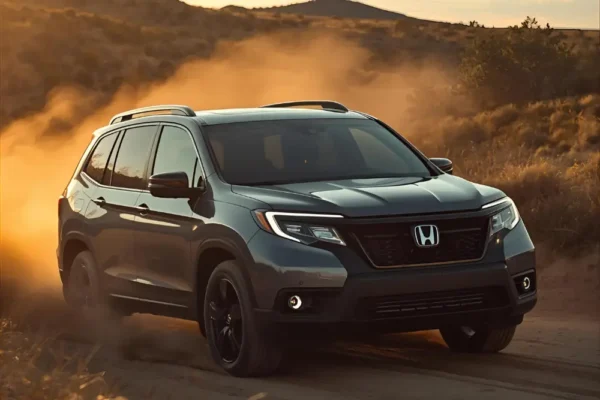
- 2021 Honda Passport: Core SUV Features Overview
- What’s New and Model Updates in the 2021 Honda Passport
- 2021 Honda Passport – Update Overview
- Exterior Refinements, Aerodynamic Adjustments and Lighting Upgrades
- Platform Revisions, Structural Improvements and Ride-Quality Enhancements
- V6 Calibration Updates, Throttle Logic and Response Consistency
- Digital Interface Enhancements, Display Clarity and System Usability
- Engine Options and Performance Characteristics of the 2021 Honda Passport
- Naturally Aspirated V6 Behaviour, Airflow Efficiency and Combustion Control
- Torque Curve, Mid-Range Strength and Towing-Oriented Response
- Transmission Mapping, Shift Timing and Load-Adaptive Gear Selection
- Performance Behaviour Highlights
- Cooling Management, Thermal Stability and Heavy-Load Consistency
- Exhaust Flow, Acoustic Tuning and Backpressure Regulation
- Drive Mode Influence, Throttle Modulation and Performance Variability
- Driving Experience, Ride Quality and Handling Behaviour of the 2021 Honda Passport
- Steering Weighting, Assist Curve and Low-Speed Control
- Suspension Compliance, Damper Behaviour and Road-Texture Isolation
- Chassis Stiffness, Roll Behaviour and Structural Predictability
- Driving Dynamics Overview
- High-Speed Stability, Aero Balance and Lane Confidence
- Traction Management, Cornering Grip and Torque Distribution
- Off-Road Behaviour, Surface Adaptation and Clearance Utilisation
- Brake Modulation, Heat Dissipation and Fade Resistance
- Interior Design, Material Quality and Comfort of the 2021 Honda Passport
- Cabin Architecture, Control Layout and Ergonomic Flow
- Seat Cushioning, Support Levels and Long-Distance Comfort
- Material Selection, Panel Alignment and Touchpoint Durability
- Noise Isolation, Wind Filtering and NVH Refinement
- Climate Regulation, Airflow Logic and Temperature Stability
- Safety and Driver Assistance Systems in the 2021 Honda Passport
- Sensor Accuracy, Radar Coverage and Camera Recognition Consistency
- Honda Sensing Behaviour, Lane Support and Adaptive Control
- Emergency Braking Logic, Hazard Prediction and Reaction Smoothness
- Structural Integrity, Impact Distribution and Passenger Protection
- Technology, Infotainment and Digital Connectivity in the 2021 Honda Passport
- Interface Responsiveness, Menu Structure and Input Clarity
- Digital Cluster Readability, Rendering Precision and Information Flow
- Smartphone Integration, Wireless Performance and Signal Routing
- Navigation Engine, Predictive Logic and Off-Road Routing Capability
- Digital Capability Overview
- Audio DSP Calibration, Speaker Behaviour and Cabin Acoustics
- Fuel Efficiency and Real-World Economy of the 2021 Honda Passport
- Real-World Efficiency Overview
- Combustion Efficiency, Load Response and Mixed-Driving Behaviour
- Coasting Logic, Energy Recuperation and Urban Economy
- Aerodynamic Stability, Drag Factors and Highway Consumption
- Dimensions, Cabin Space and Everyday Practicality of the 2021 Honda Passport
- Seating Space, Legroom Distribution and Daily Comfort
- Cargo Volume, Loading Geometry and Tailgate Usability
- Door Aperture, Entry Ergonomics and Family Convenience
- Practicality Snapshot of the 2021 Honda Passport
- Vehicle Proportions, Manoeuvrability and Parking Ease
- Cabin Storage, Layout Flexibility and Utility Features
- Roof Capacity, Tow Ratings and Adventure-Oriented Practicality
- Common Issues and Reliability Trends of the 2021 Honda Passport
- Electronic Module Behaviour, Software Variability and System Stability
- Reliability Snapshot for the 2021 Honda Passport
- Engine Wear Patterns, Intake Deposits and Long-Term Durability
- Interior Fitment, Material Expansion and Cabin Noise Characteristics
- Maintenance Requirements and Ownership Experience of the 2021 Honda Passport
- Maintenance Planning Essentials
- Scheduled Service Items, Diagnostics and Preventive Maintenance
- Consumable Wear Rates, Component Longevity and Usage Influence
- Platform Serviceability, Parts Availability and Workshop Efficiency
- Long-Term Refinement, Drivetrain Smoothness and Ownership Stability
- Frequently Asked Questions About 2021 Honda Passport
- Is the 2021 Honda Passport reliable for long-term ownership?
- Is the 2021 Honda Passport comfortable for long-distance travel?
- How efficient is the Passport in real-world conditions?
- What technology features stand out in the Passport?
- Are there common issues owners should be aware of?
- Is the 2021 Passport practical for families?
- Which maintenance habits best preserve engine health?
- Is the Passport easy to manoeuvre given its size?
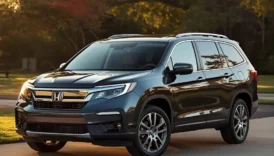
The 2021 Honda Passport positions itself as a rugged yet refined two-row midsize SUV built on Honda’s light-truck architecture shared with the Pilot and Ridgeline. Its naturally aspirated 3.5-liter V6, reinforced unibody platform and i-VTM4 torque-vectoring all-wheel-drive system deliver strong mechanical durability with everyday comfort. The 2021 model emphasizes enhanced off-road capability, improved cabin functionality and broad driver-assistance coverage, making it a highly versatile option within the adventure-oriented SUV segment.
What’s New and Model Updates in the 2021 Honda Passport
The 2021 Honda Passport introduces a strategically targeted update package designed to enhance refinement, off-road stability and day-to-day usability. Built on Honda’s light-truck unibody platform, the Passport benefits from improved aerodynamic shaping, smoother V6 calibration and a more polished digital interface. Suspension isolation points receive subtle revisions, helping the vehicle deliver quieter cabin behaviour and improved ride consistency across mixed road conditions.
2021 Honda Passport – Update Overview
| Category | Enhancement |
|---|---|
| Exterior | Sharper lighting signature, refined bumper contours, airflow improvements |
| Platform | Enhanced isolation points, reduced vibration transfer |
| Powertrain | Smoother throttle logic, refined V6 calibration |
| Digital Systems | Improved display clarity, faster system response |
| Comfort | Damper adjustments, better support density in seating |
Exterior Refinements, Aerodynamic Adjustments and Lighting Upgrades
Updated lighting signatures and revised bumper contours contribute to cleaner airflow. Why does this matter for a midsize SUV? Reduced turbulence enhances highway stability and lowers wind noise, improving long-distance comfort.
Platform Revisions, Structural Improvements and Ride-Quality Enhancements
Reinforced isolation points minimise micro-vibrations. How does this translate into real-world improvement? The cabin feels calmer in urban and highway driving, reducing fatigue during longer trips.
V6 Calibration Updates, Throttle Logic and Response Consistency
Refined throttle mapping offers smoother transitions between light and moderate acceleration. Why is this beneficial for mixed driving? Predictable response helps the Passport feel more controlled when merging or climbing inclines.
Digital Interface Enhancements, Display Clarity and System Usability
Sharper graphics and improved processing speed modernise the infotainment experience. How does this enhance usability? Faster menu navigation reduces distraction, supporting safer interaction while driving.
Engine Options and Performance Characteristics of the 2021 Honda Passport
The 2021 Honda Passport is powered by a naturally aspirated 3.5-liter V6 paired with a smooth 9-speed automatic transmission, engineered to deliver steady power delivery, predictable mid-range strength and exceptional durability. Its unibody light-truck architecture supports confident towing performance, while refined cooling pathways and load-adaptive transmission logic ensure consistent behaviour under varying driving demands. The Passport’s performance profile is intentionally tuned for reliability, linear response and versatility across urban, highway and light off-road conditions.
Naturally Aspirated V6 Behaviour, Airflow Efficiency and Combustion Control
The V6 engine uses variable intake geometry and multi-stage valve timing to maximise airflow. Why does this benefit real-world response? More efficient combustion at low and mid RPM enables smoother acceleration without lag.
Torque Curve, Mid-Range Strength and Towing-Oriented Response
The engine’s strong mid-range torque supports towing and confident merging. How does this help during highway on-ramps? Broad torque availability reduces the need for aggressive downshifts, maintaining stable acceleration.
Transmission Mapping, Shift Timing and Load-Adaptive Gear Selection
The 9-speed automatic adjusts shift points based on load and incline. Why does the Passport feel calmer during uphill driving? Adaptive mapping prevents unnecessary gear hunting, preserving momentum.
Performance Behaviour Highlights
- Linear, naturally aspirated throttle response
- Consistent mid-range torque for towing confidence
- Stable thermal behaviour under heavy load
- Smooth shift transitions tailored to road conditions
Cooling Management, Thermal Stability and Heavy-Load Consistency
A high-capacity cooling system maintains temperature equilibrium during towing or extended climbs. How does this affect long-term durability? Stable temperatures reduce stress on engine components, supporting reliability.
Exhaust Flow, Acoustic Tuning and Backpressure Regulation
A tuned exhaust system balances low backpressure with a refined acoustic character. Why is this important for daily driving? Smooth flow improves throttle response while maintaining cabin quietness.
Drive Mode Influence, Throttle Modulation and Performance Variability
Drive modes adjust throttle sensitivity and shift aggressiveness. How does this improve adaptability? Drivers can switch between smoother city behaviour and more responsive highway performance as needed.
Driving Experience, Ride Quality and Handling Behaviour of the 2021 Honda Passport
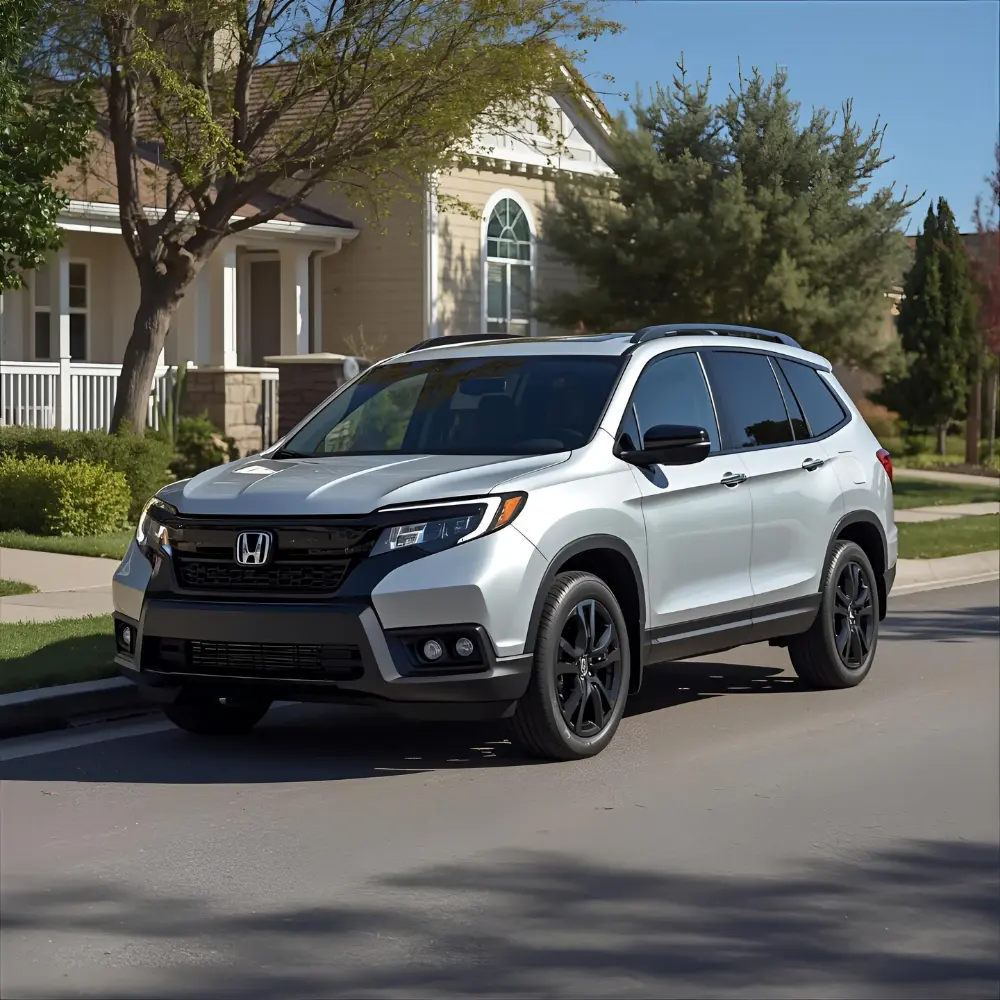
The 2021 Honda Passport delivers a balanced driving character shaped by its light-truck unibody structure, wide track width and long-travel suspension geometry. Honda tunes the Passport for stable highway manners, confident cornering for its size and controlled ride quality on uneven terrain. The combination of a naturally aspirated V6, predictable steering and well-managed body motions makes the Passport one of the more composed two-row midsize SUVs for mixed on-road and light off-road use.
Steering Weighting, Assist Curve and Low-Speed Control
The electric steering rack uses a progressive assist curve that lightens at parking speeds and firms at cruising speeds. Why does this matter in daily driving? Predictable weighting helps drivers manoeuvre easily in tight areas while still offering confidence on the highway.
Suspension Compliance, Damper Behaviour and Road-Texture Isolation
Long-travel dampers and compliant bushings absorb broken pavement effectively. How does this benefit ride quality? Faster rebound control reduces harshness, keeping the cabin calm over patchy or unpaved roads.
Chassis Stiffness, Roll Behaviour and Structural Predictability
A rigid unibody frame limits unwanted flex when the vehicle transitions quickly between turns. Why is this important for a tall SUV? Consistent stiffness ensures roll behaviour remains predictable, improving driver confidence.
Driving Dynamics Overview
| Attribute | Enhancement | Practical Effect |
|---|---|---|
| Steering | Progressive assist mapping | Easier low-speed control |
| Damping | Faster rebound, better isolation | Smoother cabin behaviour |
| Stability | Balanced roll control | More predictable cornering |
| Braking | Improved cooling | Reduced fade on long descents |
High-Speed Stability, Aero Balance and Lane Confidence
Refined bumper aerodynamics and stable chassis geometry help the Passport maintain calm behaviour at higher speeds. Why does lane tracking feel secure? Reduced turbulence lowers the need for constant steering corrections.
Traction Management, Cornering Grip and Torque Distribution
Models equipped with i-VTM4 torque-vectoring AWD can send power rearward proactively. How does this improve cornering? Rear-axle torque allocation tightens the vehicle’s line, enhancing stability on sweeping curves.
Off-Road Behaviour, Surface Adaptation and Clearance Utilisation
Adequate ground clearance and a responsive AWD system enable the Passport to tackle gravel, mud and light trails. Why does the SUV feel competent off-road despite its on-road bias? The AWD system’s rapid torque shifts maintain traction on uneven surfaces.
Brake Modulation, Heat Dissipation and Fade Resistance
Improved brake cooling pathways support consistent pedal feel on long descents or repeated stops. Why is this useful during mountain driving? Good heat management prevents fade, keeping braking confidence stable.
Interior Design, Material Quality and Comfort of the 2021 Honda Passport
The 2021 Honda Passport pairs its rugged exterior character with a spacious, ergonomically efficient interior designed for both family use and long-distance travel. The cabin benefits from Honda’s truck-based seating geometry, wide-opening doors, and intuitive control placement. Soft-touch surfaces in high-contact areas, durable panel materials and refined insulation techniques contribute to a quiet, resilient interior environment. Seating comfort is further enhanced through well-shaped cushioning, supportive bolstering and predictable climate performance.
Cabin Architecture, Control Layout and Ergonomic Flow
The dashboard layout focuses on straightforward operation with large, clearly marked controls. Why does this design work well in varied conditions? Drivers can adjust essential settings with minimal visual diversion, especially helpful during off-road or night driving.
Seat Cushioning, Support Levels and Long-Distance Comfort
Multi-layer foam cushions and wide seat bases support a range of body types. How does this benefit long trips? Even weight distribution reduces fatigue during multi-hour journeys, enhancing overall ride comfort.
Material Selection, Panel Alignment and Touchpoint Durability
Durable soft-touch plastics and reinforced stitching improve wear resistance. Why is this important for an adventure-oriented SUV? Surfaces retain their feel and appearance longer despite frequent loading, family use or gear transport.
Noise Isolation, Wind Filtering and NVH Refinement
Enhanced floor insulation and strengthened door seals reduce road and wind noise. How does this affect cabin ambience? A quieter environment improves communication and reduces fatigue on long drives.
Climate Regulation, Airflow Logic and Temperature Stability
The HVAC system uses adaptive airflow to maintain stable cabin temperature. Why does this improve comfort? Predictive climate adjustments prevent sudden temperature shifts across different seating zones.
Safety and Driver Assistance Systems in the 2021 Honda Passport
The 2021 Honda Passport integrates a comprehensive suite of driver-assistance technologies through the Honda Sensing platform, supported by a structurally robust safety cell engineered for controlled energy absorption. Enhanced radar mapping, improved camera recognition, and smoother algorithm logic ensure that assistance interventions feel natural rather than intrusive. These features collectively elevate both active and passive safety performance in a wide range of everyday and off-road driving scenarios.
Sensor Accuracy, Radar Coverage and Camera Recognition Consistency
The Passport’s forward radar and monocular camera operate with refined recognition software. Why is this beneficial in mixed weather conditions? Improved filtering enables more accurate reading of lane lines and nearby vehicles even in rain or low light.
Honda Sensing Behaviour, Lane Support and Adaptive Control
Adaptive Cruise Control and Lane Keeping Assist apply gradual, predictable corrections. How does this translate to real-world comfort? Subtle steering and throttle adjustments reduce abrupt motions, contributing to a smoother highway experience.
Emergency Braking Logic, Hazard Prediction and Reaction Smoothness
The Collision Mitigation Braking System uses multi-stage prediction models to assess risks. Why does this enhance safety during sudden stops? Early hazard detection provides the system more time to stabilise vehicle posture before applying full brake pressure.
Structural Integrity, Impact Distribution and Passenger Protection
Reinforced crumple zones redirect impact forces away from the passenger cell. Why is this important for midsize SUVs? Predictable deformation paths help maintain interior space during severe frontal or side impacts.
Technology, Infotainment and Digital Connectivity in the 2021 Honda Passport
The 2021 Honda Passport features a technology suite focused on clarity, responsiveness and functional connectivity. Its infotainment interface, digital cluster and smartphone integration systems have been refined for quicker interaction and greater stability. Enhanced data routing, improved wireless performance and upgraded audio processing support both everyday commuting and long-distance travel. The system design prioritises usability, ensuring minimal distraction while providing the information drivers rely on most.
Interface Responsiveness, Menu Structure and Input Clarity
The Passport’s infotainment interface benefits from improved software optimisation for smoother transitions. Why does this matter in real-world driving? Faster menu responses reduce the time drivers spend navigating screens, helping them maintain focus.
Digital Cluster Readability, Rendering Precision and Information Flow
Higher-contrast graphics and clearer icons make essential information easier to process at a glance. How does this contribute to driver confidence? Improved legibility reduces the cognitive load when checking speed, warnings or navigation prompts.
Smartphone Integration, Wireless Performance and Signal Routing
Updated antenna routing enhances the stability of Apple CarPlay and Android Auto functions. Why is this important during daily commutes? More reliable connectivity prevents interruptions in navigation guidance or media playback.
Navigation Engine, Predictive Logic and Off-Road Routing Capability
The Passport’s navigation system uses real-time and historical data to plan alternative routes. How does predictive mapping support adventure driving? The system identifies terrain changes and potential delays earlier, allowing smoother planning for long trips or backroad exploration.
Digital Capability Overview
- Faster interface interactions
- Stable smartphone connectivity
- Clear, high-contrast cluster graphics
- Smarter routing for urban and outdoor travel
- Tuned audio output tailored to cabin acoustics
Audio DSP Calibration, Speaker Behaviour and Cabin Acoustics
Optimised DSP logic balances frequency output to reduce harshness and maintain clarity. Why does the system remain composed at higher volumes? Controlled resonance and strategic speaker placement limit distortion, enhancing the listening experience.
Fuel Efficiency and Real-World Economy of the 2021 Honda Passport
The 2021 Honda Passport achieves consistent real-world efficiency through a naturally aspirated 3.5-liter V6, a refined 9-speed automatic transmission and aerodynamic shaping tailored for highway travel. While the Passport prioritises durability and responsive power delivery over class-leading fuel economy, its steady combustion behaviour, effective coasting logic and stable thermal management help maintain predictable consumption across mixed driving conditions.
Real-World Efficiency Overview
| Efficiency Factor | Technical Contribution | Practical Outcome |
|---|---|---|
| Combustion Stability | Optimised airflow, consistent timing | Smooth fuel usage in mixed driving |
| Coasting Logic | Engine disengagement under light load | Reduced fuel demand in urban traffic |
| Aerodynamics | Clean front-end flow, minimised turbulence | Improved stability and highway efficiency |
Combustion Efficiency, Load Response and Mixed-Driving Behaviour
The V6’s wide torque band supports calm acceleration without aggressive throttle inputs. Why does this help everyday economy? Linear response reduces unnecessary fuel spikes during stop-and-go driving.
Coasting Logic, Energy Recuperation and Urban Economy
The Passport disengages engine load under steady, light throttle to conserve fuel. How does this assist in city environments? Reduced mechanical drag lowers consumption during low-speed cruise phases.
Aerodynamic Stability, Drag Factors and Highway Consumption
A refined bumper design and stable roofline reduce turbulence at higher speeds. Why is this important for long highway trips? Lower drag improves both stability and fuel economy during extended cruising.
Dimensions, Cabin Space and Everyday Practicality of the 2021 Honda Passport
The 2021 Honda Passport leverages its wide stance, upright seating geometry and two-row configuration to deliver exceptional cabin space and practical everyday usability. Its midsize footprint supports generous legroom, oversized cargo capacity and versatile storage solutions aimed at family travel and adventure use. The tall roofline, wide-opening doors and flat load floor further enhance accessibility, making the Passport one of the most functional SUVs in its segment.
Seating Space, Legroom Distribution and Daily Comfort
The Passport provides expansive front and rear legroom thanks to its long wheelbase and upright seating geometry. Why does this layout feel especially comfortable on long journeys? A relaxed knee angle reduces strain, allowing passengers to maintain natural posture for extended periods.
Cargo Volume, Loading Geometry and Tailgate Usability
A deep cargo well and wide hatch opening support bulky gear, sports equipment and luggage. How does this design improve daily practicality? Low lift-over height makes loading heavy items noticeably easier, particularly during family travel or outdoor activities.
Door Aperture, Entry Ergonomics and Family Convenience
Large door openings paired with an ideal hip point make entering and exiting straightforward. Why is this beneficial for families? Reduced bending and twisting ease the process of securing children, loading bags or accommodating taller passengers.
Practicality Snapshot of the 2021 Honda Passport
- Extra-wide cargo floor suitable for camping and sports equipment
- High seating position with superior outward visibility
- Flexible cabin storage ideal for family and adventure use
- Large door openings for easy access and loading
Vehicle Proportions, Manoeuvrability and Parking Ease
Despite its size, the Passport maintains clear sightlines and predictable steering geometry. Why does this matter in tight parking areas? Improved visibility and short front overhangs help drivers judge corners more accurately, reducing stress in confined spaces.
Cabin Storage, Layout Flexibility and Utility Features
Numerous storage bins, underfloor compartments and large cupholders enhance day-to-day convenience. Why is cabin flexibility a key advantage? It allows families to organise personal items securely, keeping the cabin clutter-free during errands or road trips.
Roof Capacity, Tow Ratings and Adventure-Oriented Practicality
The Passport’s robust chassis supports substantial roof loads and a competitive tow rating. Why is this significant for outdoor use? Drivers can carry bikes, kayaks or camping equipment with confidence, expanding the vehicle’s adventure capabilities.
Common Issues and Reliability Trends of the 2021 Honda Passport
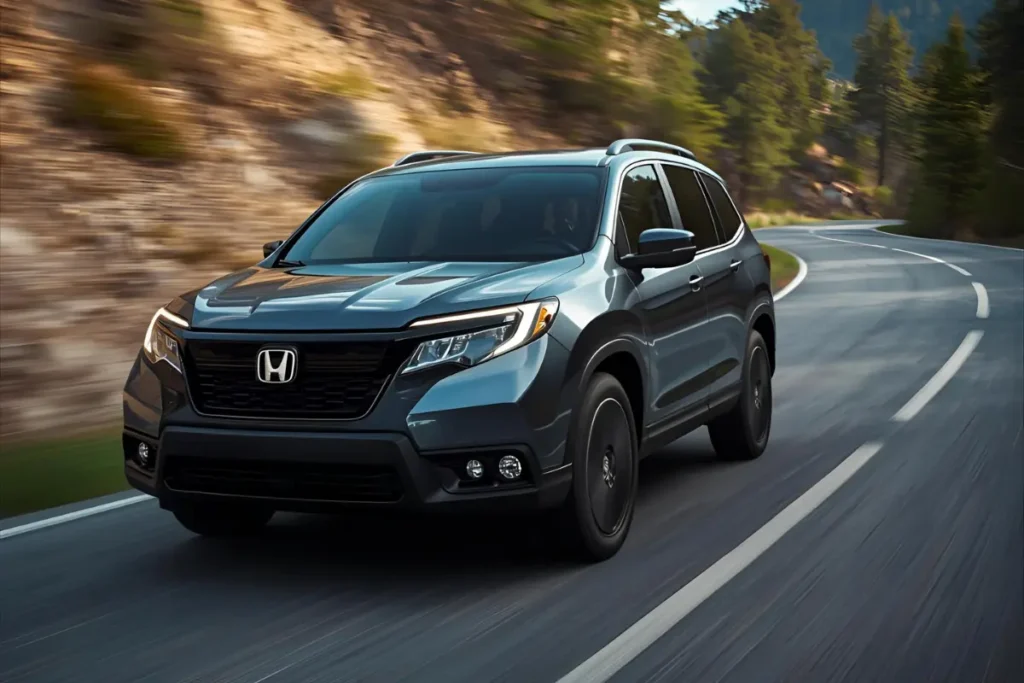
The 2021 Honda Passport is generally regarded as a reliable midsize SUV thanks to its proven 3.5-liter V6, durable transmission architecture and mature electrical systems. While overall dependability is strong, certain minor behaviours may emerge over long-term ownership depending on driving habits, climate conditions and mileage. These tendencies are typically low-severity and manageable through routine maintenance or simple recalibration.
Electronic Module Behaviour, Software Variability and System Stability
Some infotainment or connectivity modules may occasionally freeze or respond slowly. Why does this typically occur after repeated short trips? Frequent power cycling can cause temporary software cache buildup, which usually resolves after a system restart or firmware update.
Reliability Snapshot for the 2021 Honda Passport
| Category | Symptom | Likely Cause |
|---|---|---|
| Electronics | Momentary lag or freezing | Cache saturation or outdated firmware |
| Sensors | Reduced clarity in rain | Moisture or reflective interference |
| Engine | Mild hesitation | Intake-valve carbon accumulation |
| Interior | Light panel creaks | Material expansion in temperature swings |
Engine Wear Patterns, Intake Deposits and Long-Term Durability
Naturally aspirated V6 engines may accumulate light carbon deposits on intake valves over time. How does this impact drivability? Restricted airflow can lead to slight hesitation at lower RPM, typically resolved with periodic cleaning or consistent high-temperature driving.
Interior Fitment, Material Expansion and Cabin Noise Characteristics
Temperature fluctuations may cause materials like plastics and rubberised trims to expand or contract. Why does this sometimes produce subtle noises? Small shifts in panel interfaces generate minor creaks, especially over uneven road surfaces.
Maintenance Requirements and Ownership Experience of the 2021 Honda Passport
The 2021 Honda Passport is engineered for durability, offering a straightforward maintenance schedule that supports long-term reliability and consistent performance. Its naturally aspirated 3.5-liter V6 benefits from clean lubrication and stable thermal management, while the 9-speed automatic transmission and suspension components require routine inspections to preserve smoothness and ride quality. When serviced correctly, the Passport maintains its strong mechanical character, quiet cabin behaviour and dependable everyday usability.
Maintenance Planning Essentials
- Regular oil and filter changes for engine longevity
- Air and cabin filter replacements to maintain clean airflow
- Brake inspections to ensure hydraulic consistency
- Cooling-system checks for long-term thermal stability
- Software updates for infotainment and system reliability
Scheduled Service Items, Diagnostics and Preventive Maintenance
The Passport’s onboard diagnostics monitor combustion timing, coolant behaviour and system calibration. Why is this important for long-term operation? Early detection of small irregularities prevents larger mechanical issues and maintains smooth drivability.
Consumable Wear Rates, Component Longevity and Usage Influence
Tyres, brake pads and bushings wear at different rates depending on driving style and terrain. Why do suburban and urban routes accelerate wear? Frequent braking, tight manoeuvring and repeated cold starts increase component stress.
Platform Serviceability, Parts Availability and Workshop Efficiency
Honda’s truck-based unibody platform offers accessible component placement, simplifying routine service tasks. How does this benefit ownership? Reduced service time and widely available parts contribute to predictable maintenance costs.
Long-Term Refinement, Drivetrain Smoothness and Ownership Stability
With proper care, the Passport maintains its smooth V6 response and stable ride behaviour even at higher mileage. Why does refinement remain intact? Strong baseline engineering and effective vibration isolation prevent premature wear of critical components.
Frequently Asked Questions About 2021 Honda Passport
Is the 2021 Honda Passport reliable for long-term ownership?
Yes. Its proven 3.5-liter V6, robust unibody design and straightforward mechanical layout contribute to long-term durability. Most issues reported by owners are minor, such as infotainment system lag or light interior noises, which are manageable with routine service.
Is the 2021 Honda Passport comfortable for long-distance travel?
Absolutely. The Passport’s wide seating, supportive cushioning, low noise levels and stable high-speed behaviour make it well suited for multi-hour highway trips. Its ergonomic cabin layout also reduces fatigue.
How efficient is the Passport in real-world conditions?
Efficiency is competitive for a naturally aspirated V6 SUV. Predictable combustion behaviour, coasting logic and low turbulence at high speeds help stabilise fuel consumption during city and highway driving.
What technology features stand out in the Passport?
Clear infotainment menus, improved processing speed, stable smartphone connectivity, predictive navigation and refined DSP audio tuning all contribute to a modern and user-friendly digital environment.
Are there common issues owners should be aware of?
Some minor infotainment lag, occasional sensor interference in heavy rain or light interior trim noises may appear. These are typically low-impact concerns resolved through simple updates or routine adjustments.
Is the 2021 Passport practical for families?
Yes. With generous cabin space, a large cargo area, wide-opening doors and excellent storage solutions, the Passport is well suited for daily family use as well as road trips and outdoor activities.
Which maintenance habits best preserve engine health?
Timely oil changes, regular cooling-system checks, avoiding excessive short trips and occasional high-temperature operation help maintain engine cleanliness and reliability.
Is the Passport easy to manoeuvre given its size?
Relatively yes. Its clear sightlines, predictable steering geometry and refined low-speed behaviour make navigating urban parking areas and tight spaces manageable.