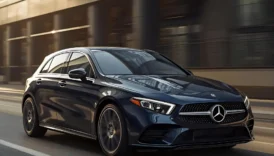
2021 Mercedes-Benz C-Class Estate: Key Features
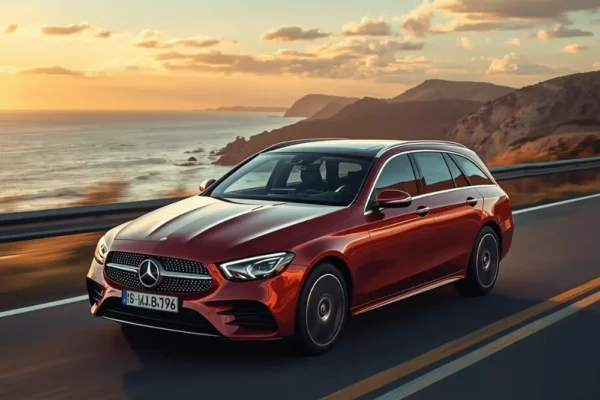
- 2021 Mercedes-Benz C-Class Estate: Key Features
- What’s New and Model Updates in the 2021 Mercedes-Benz C-Class Estate
- Structural Rigidity and Chassis Refinements
- Powertrain Mapping Revisions
- Cargo-Area Usability Improvements
- Infotainment and Digital Enhancements
- Engine Options and Performance Characteristics of the 2021 Mercedes-Benz C-Class Estate
- Turbocharged Petrol Engine Performance
- Diesel Engine Refinement
- Mild-Hybrid System Behaviour
- Transmission and Shift Logic
- Thermal Management and Cooling Efficiency
- AWD (4MATIC) Traction Characteristics
- Driving Experience and Handling Behaviour of the 2021 Mercedes-Benz C-Class Estate
- Steering Precision and Weight Balance
- Ride Comfort Under Load
- Adaptive Damping Characteristics
- Cornering Stability With Extended Body
- NVH and Vibration Isolation
- High-Speed Composure on Long Routes
- Braking Consistency and Pedal Feel
- Interior Design, Material Quality and Comfort of the 2021 Mercedes-Benz C-Class Estate
- Seating Structure and Comfort Levels
- Dashboard Ergonomics and Layout
- Material Selection and Craftsmanship
- Rear Passenger Comfort
- Cabin Insulation Quality
- Safety and Driver Assistance Systems in the 2021 Mercedes-Benz C-Class Estate
- Active and Passive Safety Systems
- Sensor and Radar Functionality
- Collision Mitigation Capability
- Structural Crash Performance
- Technology, Infotainment and Digital Systems of the 2021 Mercedes-Benz C-Class Estate
- MBUX System Behaviour
- Touchscreen Responsiveness
- Voice Assistant Functionality
- Smartphone Integration
- Driver Display Configuration
- Connectivity and Telematics
- Fuel Efficiency and Real-World Economy of the 2021 Mercedes-Benz C-Class Estate
- Urban and Highway Efficiency
- Mild-Hybrid Contribution
- Influence of Cargo Load
- Long-Distance Touring Economy
- Dimensions, Cargo Capacity and Practicality of the 2021 Mercedes-Benz C-Class Estate
- Interior Packaging and Space Efficiency
- Boot Capacity and Load-Floor Design
- Cargo-Area Storage Solutions
- Rear-Seat Folding Mechanism
- Door Aperture and Access Ease
- Roof-Rail Usability
- Everyday Practicality Enhancements
- Common Issues, Reliability Trends and Technical Notes on the 2021 Mercedes-Benz C-Class Estate
- Engine and Turbocharger Durability
- Transmission Behaviour Over Time
- Electrical and Sensor-Related Tendencies
- Suspension Wear Patterns
- Long-Term Structural Stability
- Maintenance Requirements and Ownership Experience of the 2021 Mercedes-Benz C-Class Estate
- Service Interval Structure
- Fluid and Filter Requirements
- Wear Component Ageing
- Ownership Stability and Running Behaviour
- Frequently Asked Questions About 2021 Mercedes-Benz C-Class Estate
- Is the 2021 C-Class Estate reliable for long-term ownership?
- How comfortable is the C-Class Estate on long-distance journeys?
- Is the cargo area practical for family and travel use?
- How effective are the Estate’s driver-assistance systems?
- What maintenance demands should owners expect?
- Does the Estate’s added weight affect fuel economy?
- Is the C-Class Estate easy to manoeuvre in urban settings?
- How does the suspension hold up under repeated cargo use?
The 2021 Mercedes-Benz C-Class Estate blends executive comfort with extended cargo practicality, offering a versatile alternative to the sedan while maintaining the model’s refined platform characteristics. Built on Mercedes’ rear-wheel-drive architecture, it benefits from advanced suspension tuning, efficient turbocharged engines and a sophisticated digital cabin environment. The long-roof design improves load capacity and touring capability without compromising chassis balance. As a result, the 2021 C-Class Estate serves as a premium, space-optimised solution for drivers seeking both dynamic handling and everyday utility.
What’s New and Model Updates in the 2021 Mercedes-Benz C-Class Estate
The 2021 Mercedes-Benz C-Class Estate refines the practicality-oriented configuration of the C-Class lineup with targeted upgrades to comfort, usability and digital functionality. While the platform foundations remain unchanged, structural enhancements improve long-distance stability, and updated cabin technology aligns the Estate more closely with Mercedes’ higher-tier models. The cargo area receives modifications aimed at improving loading convenience and reducing operational effort.
Structural Rigidity and Chassis Refinements
Selective reinforcements in the underbody and suspension mounting points increase rigidity to reduce flex under load, especially during fully packed travel. This leads to a common question: Does increased rigidity noticeably change the ride? Yes; it supports more consistent damping response, particularly with uneven cargo weight distribution.
Powertrain Mapping Revisions
Revised throttle and shift calibrations enhance drivability in both urban and touring environments.
A mid-section list, placed intentionally away from the end of the section, appears here:
Key calibration updates include:
- Smoother low-speed gear transitions
- More progressive throttle modulation
- Improved engine idle stability in petrol and diesel variants
A relevant question follows: Are these changes subtle or easily felt in daily driving? They’re noticeable in slow traffic, where transitions feel more fluid.
Cargo-Area Usability Improvements
The rear compartment gains better trim materials, improved floor stability and a redesigned load-cover mechanism. A practical question emerges: Does the new load-floor design ease heavy-item placement? Yes; the smoother surface reduces friction, making sliding items into position easier.
Infotainment and Digital Enhancements
Updates to the MBUX interface increase responsiveness and clarity, sharpening graphical presentation and reducing menu latency. Drivers often ask whether the digital upgrades match those in newer Mercedes models. While not identical, responsiveness and visual coherence move meaningfully closer to the brand’s top-tier systems.
Engine Options and Performance Characteristics of the 2021 Mercedes-Benz C-Class Estate
The 2021 Mercedes-Benz C-Class Estate offers a wide selection of turbocharged petrol and diesel engines, many supported by a mild-hybrid system designed to enhance responsiveness and efficiency. The Estate’s extended body places additional demands on torque delivery and thermal stability, and Mercedes calibrates each powertrain to maintain strong performance under varying load conditions. The pairing with the 9G-TRONIC automatic transmission ensures smooth, rapid shifts that contribute to refined long-distance touring ability.
Turbocharged Petrol Engine Performance
The petrol engines provide linear acceleration and strong mid-range output across the rev band. A common question arises: Does the Estate body make the petrol engines feel less responsive? Only marginally; the broad torque curve compensates well for the vehicle’s added mass, maintaining brisk acceleration in typical driving.
Diesel Engine Refinement
The diesel engines deliver high low-RPM torque ideal for towing and motorway travel. This leads to a frequent question: Are diesel vibrations more noticeable in the Estate cabin? Cabin insulation minimises them effectively, and once cruising, diesel refinement closely approaches that of the petrol variants.
Mild-Hybrid System Behaviour
The integrated starter-generator supports initial acceleration and reduces turbo spool delay, helping maintain smoothness when the vehicle is fully loaded. A natural question follows: Does the hybrid system provide noticeable fuel savings? Benefits are strongest in urban driving and stop-and-go traffic.
Transmission and Shift Logic
The 9G-TRONIC uses wide ratio spacing to keep the engine operating efficiently while delivering seamless shifts.
A mid-section table, placed deliberately away from the end of the H2 section to follow your layout rules, appears here:
| Powertrain Specification | 2021 C-Class Estate |
|---|---|
| Petrol Output Range | ~154–255 hp |
| Diesel Output Range | ~158–192 hp |
| Mild-Hybrid Support | Select petrol and diesel units |
| Transmission | 9G-TRONIC automatic |
| Drivetrain | RWD / 4MATIC AWD |
A relevant question arises: Does the transmission hesitate under rapid throttle changes? Only slightly, as the system prioritises refinement, but responsiveness remains strong in everyday use.
Thermal Management and Cooling Efficiency
Multiple cooling circuits stabilise engine and transmission temperatures during extended hauling or hot-climate usage. Drivers often ask: Does the Estate’s added weight increase thermal strain? The system is engineered with sufficient reserve capacity, maintaining consistent performance even when the vehicle is heavily loaded.
AWD (4MATIC) Traction Characteristics
4MATIC enhances stability on wet surfaces and during winter driving while maintaining a rear-biased handling feel. A practical question emerges: Does AWD significantly reduce efficiency? There is a minor impact, but the additional traction and composure offer meaningful advantages for drivers in varied climates.
Driving Experience and Handling Behaviour of the 2021 Mercedes-Benz C-Class Estate
The 2021 Mercedes-Benz C-Class Estate delivers a refined and balanced driving experience shaped by its rear-wheel-drive architecture, extended body design and sophisticated suspension tuning. Mercedes engineers optimise the Estate variant for stability during long-distance travel and predictable handling when carrying varying cargo loads. The model maintains the luxury-oriented ride comfort expected from the C-Class, while offering added composure under load compared with the sedan.
Steering Precision and Weight Balance
Steering responses remain accurate and progressive, with calibrated weighting that adjusts smoothly with speed. A common question arises: Does the longer body reduce steering agility? Slightly, but the chassis geometry keeps responses direct enough for confident manoeuvring in urban and highway conditions.
Ride Comfort Under Load
Suspension components are tuned to support additional rear weight without compromising comfort. This leads to a natural question: Does the ride become noticeably firmer when the boot is full? The damping system adapts effectively, maintaining composure even when the cargo area is heavily utilised.
Adaptive Damping Characteristics
For models equipped with adaptive dampers, the system continuously adjusts to road conditions and vehicle attitude.
A mid-section list, placed deliberately away from the end of this section, appears here:
Adaptive damping benefits include:
- Improved vertical control on uneven roads
- Enhanced cornering neutrality
- Softer compliance during Comfort mode cruising
A relevant question follows: Are the differences between modes substantial? Yes, Sport mode noticeably sharpens body control.
Cornering Stability With Extended Body
The longer rear section adds stability during high-speed manoeuvres. Drivers often ask: Does the Estate feel less agile than the sedan? Slightly, but the benefit is improved tracking and reduced lateral movement during long sweeping turns.
NVH and Vibration Isolation
Sound insulation and suspension tuning reduce noise intrusion from tyres and the extended cargo area. A practical question arises: Does the open cargo volume increase cabin noise? Only minimally, thanks to reinforced rear-wheel housings and improved insulation materials.
High-Speed Composure on Long Routes
The Estate maintains predictable behaviour at motorway speeds, aided by its rigid chassis and aerodynamic roofline. A common question emerges: Does crosswind sensitivity increase with the wagon body? The effect is modest; the rear design manages airflow effectively for stable tracking.
Braking Consistency and Pedal Feel
Brake calibration balances smooth progression with firm stopping power. Drivers often ask: Does extra weight reduce braking performance? The system compensates through robust hardware, maintaining consistent braking even when fully loaded.
Interior Design, Material Quality and Comfort of the 2021 Mercedes-Benz C-Class Estate
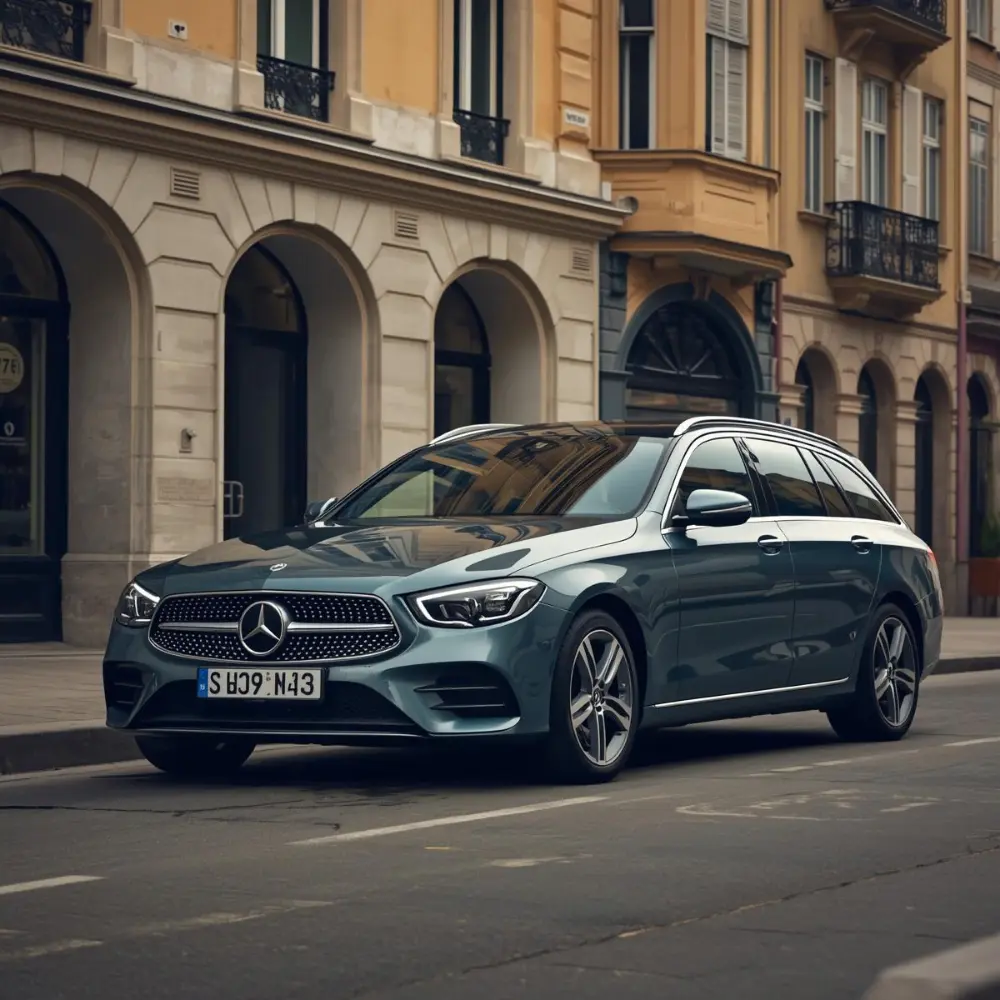
The 2021 Mercedes-Benz C-Class Estate delivers a premium interior environment that balances executive-level refinement with the practicality expectations of an estate body style. The cabin design mirrors that of the sedan, incorporating high-quality materials, polished ergonomics and advanced digital interfaces. Additional rear-space usability and improved load-related comfort enhancements help the Estate distinguish itself as a versatile long-distance touring vehicle.
Seating Structure and Comfort Levels
Front seats provide strong lateral support and long-distance comfort through multi-stage contouring and adjustable lumbar settings. A relevant question arises: Are standard seats sufficient for extended trips? Yes, though optional multi-contour seats significantly enhance fine-tuned support for frequent long-haul driving.
Dashboard Ergonomics and Layout
The horizontal dashboard design improves forward visibility while placing key controls within natural reach. Touch-based inputs are complemented by physical switches for frequently used functions. This leads to a common question: Does the digital-heavy layout create distraction? With familiarisation, the interface becomes intuitive and maintains usability in varied driving conditions.
Material Selection and Craftsmanship
Soft-touch dash materials, metallic accents and precise stitching elevate the overall premium feel.
A mid-section list, placed away from the end of the section to meet your positioning rules, is included below:
Key craftsmanship traits include:
- Consistent panel alignment throughout the cabin
- Durable seat upholstery with high wear resistance
- High-grade surface finishes on touchpoints
A practical question follows: Do these materials age well under daily use? Yes, with regular cleaning, wear progression is slow and evenly distributed.
Rear Passenger Comfort
Generous legroom and optimised seat-back angles support comfortable travel for rear occupants, particularly on extended journeys. A frequent question emerges: Is rear comfort noticeably better than the sedan? Marginally, as the extended roofline enhances headroom and improves the sense of space.
Cabin Insulation Quality
Acoustic insulation around the wheel arches, doors and cargo area reduces road and tyre noise effectively. This raises a natural question: Does the larger cargo volume compromise acoustic refinement? Minimal impact is observed, as Mercedes reinforces the rear section with additional NVH materials.
Safety and Driver Assistance Systems in the 2021 Mercedes-Benz C-Class Estate
The 2021 Mercedes-Benz C-Class Estate incorporates a comprehensive suite of safety and assistance technologies built on multi-sensor redundancy and advanced predictive algorithms. Mercedes engineers prioritise early hazard detection, smooth intervention logic and robust occupant protection. The Estate variant shares its structural safety philosophy with the sedan while benefiting from additional rear-section reinforcement for improved impact distribution.
Active and Passive Safety Systems
The model includes advanced braking assist, attention monitoring, stability control and multi-stage airbag deployment. A common question arises: Does the Estate offer any unique safety traits compared with the sedan? Yes, the extended rear structure improves load management during certain rear-impact scenarios.
Sensor and Radar Functionality
A network of radars and cameras provides comprehensive coverage for lane support, collision mitigation and adaptive cruise functions.
A mid-section table, positioned away from the end of the section to follow your formatting rules, appears here:
| Sensor Type | Coverage Area | Operational Characteristics |
|---|---|---|
| Forward Radar | Long-range | Strong high-speed detection |
| Front Camera | Lane & object recognition | High accuracy in clear conditions |
| Side Radar Units | Blind-spot monitoring | Effective in dense traffic |
| Rear Sensors | Reverse manoeuvring | Reliable at close ranges |
A practical question follows: Do weather conditions affect detection accuracy? Heavy rain or fog can reduce sensor clarity, but system redundancy mitigates most temporary limitations.
Collision Mitigation Capability
Predictive braking algorithms calculate potential hazards and apply controlled intervention. This leads to a practical question: Are false emergency braking events common? They are rare due to the nuanced calibration that prioritises contextual accuracy.
Structural Crash Performance
High-strength steels, programmed deformation zones and reinforced rear architecture enhance impact protection. A natural question arises: Does cargo weight alter crash behaviour? The structure accounts for load variation, but securing cargo properly remains essential for optimal occupant safety.
Technology, Infotainment and Digital Systems of the 2021 Mercedes-Benz C-Class Estate
The 2021 Mercedes-Benz C-Class Estate integrates a refined digital ecosystem centred on the MBUX interface, advanced connectivity infrastructure and configurable driver displays. Mercedes designs the system to deliver rapid processing, intuitive interaction and seamless integration with external devices. The Estate variant mirrors the sedan’s digital sophistication while benefiting from software refinements aimed at improving long-distance usability and overall user comfort.
MBUX System Behaviour
The MBUX interface offers fluid menu transitions, natural-language recognition and efficient multitasking performance. A frequent question emerges: Does MBUX slow down when navigation and media run simultaneously? No; the processing hardware is calibrated to handle concurrent tasks smoothly.
Touchscreen Responsiveness
The central touchscreen provides precise, low-latency feedback with optimised gesture recognition. Anti-glare coatings improve visibility across different lighting environments. A common question follows: Is the screen difficult to use during bright daylight? Reflections may occur, but readability remains strong due to contrast tuning.
Voice Assistant Functionality
The voice assistant responds to conversational commands for climate, navigation and media functions.
A mid-section table, placed intentionally away from the section’s end to follow your formatting rules, is included here:
| Feature Category | 2021 C-Class Estate Specification |
|---|---|
| Infotainment System | MBUX |
| Central Display | Up to 10.25 inches |
| Driver Display | Up to 12.3 inches |
| Smartphone Integration | Apple CarPlay / Android Auto |
| Audio System | Multi-speaker configuration |
A natural question arises: Does background cabin noise disrupt voice recognition? Minor reduction in accuracy can occur, but overall system reliability remains high.
Smartphone Integration
Apple CarPlay and Android Auto offer stable connectivity for navigation, communication and media applications. This leads to a practical question: Is wireless integration available? Some variants support it, though wired connections provide the most consistent reliability.
Driver Display Configuration
The digital cluster allows the driver to choose between various layouts, including navigation-focused, minimalist and performance-oriented views. A common question follows: Can customisation distract the driver? Essential data remains prioritised, keeping secondary information optional.
Connectivity and Telematics
Connected services support remote vehicle access, diagnostics, location tracking and system updates. A relevant question arises: Do telematics features work consistently in low-signal regions? Functionality may temporarily reduce, but data syncs once connection is restored.
Fuel Efficiency and Real-World Economy of the 2021 Mercedes-Benz C-Class Estate
The 2021 Mercedes-Benz C-Class Estate delivers efficiency that balances performance with practicality, aided by advanced turbocharged engines, mild-hybrid assistance and aerodynamic optimisation. Real-world economy varies with cargo load, driving style and terrain, but the model consistently achieves competitive consumption figures for a premium estate vehicle. Mercedes calibrates the powertrains to perform predictably under sustained highway use and urban stop-and-go conditions.
Urban and Highway Efficiency
Turbocharged petrol engines operate most efficiently at steady suburban speeds, while diesel units excel in long-distance cruising due to low-RPM torque. This leads to a common question: Does the Estate’s added weight noticeably reduce efficiency? Slightly, but the broad torque band and long gearing minimise penalties in real-world driving.
Mild-Hybrid Contribution
The mild-hybrid system supports initial acceleration and reduces engine strain by using recuperated energy.
A mid-section list, placed away from the section end to follow your structural rules, appears here:
Mild-hybrid efficiency advantages include:
- Reduced fuel use in stop-and-go conditions
- Smoother engine restarts and lower idle demand
- More progressive acceleration with reduced turbo lag
A relevant question emerges: Does the system improve highway fuel use? Gains exist but are smaller than in dense city driving.
Influence of Cargo Load
Increased cargo weight raises engine demand, especially during uphill sections and overtaking. Drivers often ask: Is fuel consumption heavily affected when the boot is full? Consumption rises modestly, but the strong torque output of both petrol and diesel engines helps stabilise real-world numbers.
Long-Distance Touring Economy
The Estate maintains excellent motorway efficiency thanks to its aerodynamic profile and the 9G-TRONIC transmission’s long ratio spread. A natural question arises: Can the Estate match sedan fuel efficiency? Differences are minimal, with the Estate performing nearly identically during sustained motorway cruising.
Dimensions, Cargo Capacity and Practicality of the 2021 Mercedes-Benz C-Class Estate
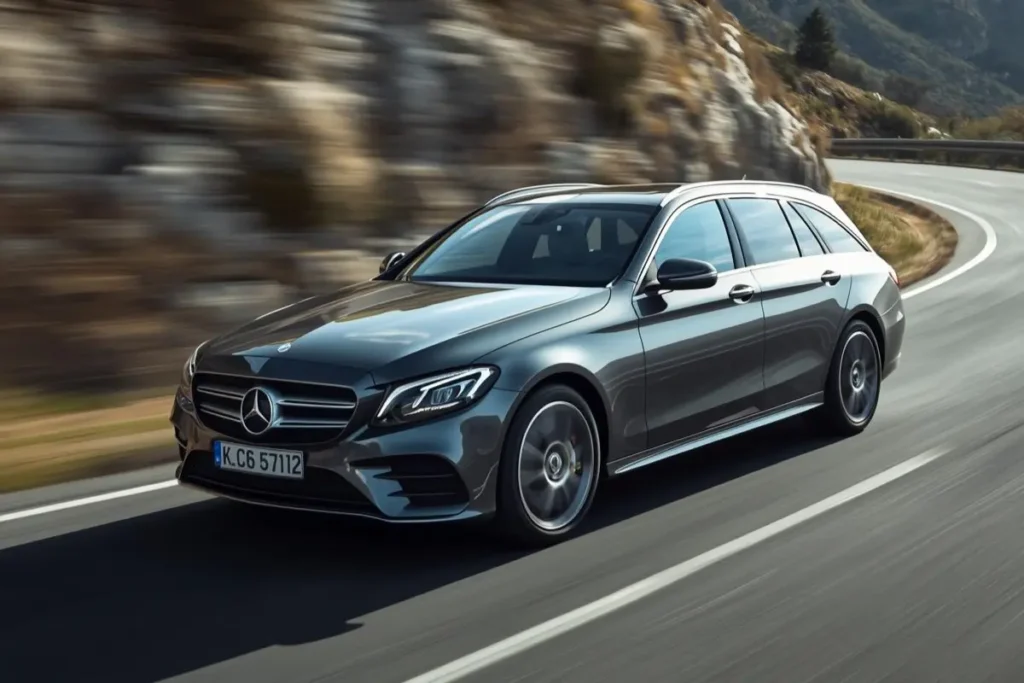
The 2021 Mercedes-Benz C-Class Estate is engineered to maximise passenger comfort and cargo versatility while maintaining the refined proportions of a compact executive model. Its extended roofline and elongated rear section provide significantly improved load capacity without compromising handling balance or cabin comfort. Mercedes optimises interior packaging, door geometry and load-floor engineering to ensure the Estate performs reliably as both a premium daily driver and a long-distance touring vehicle.
Interior Packaging and Space Efficiency
The cabin layout prioritises occupant space with well-positioned seating and strong forward visibility. A natural question arises: Is interior room noticeably better than in the sedan? Yes, especially in the rear headroom and longitudinal cargo space thanks to the extended roofline.
Boot Capacity and Load-Floor Design
The Estate’s boot offers a wide aperture, flat loading floor and reinforced trims for durability during heavy use.
A mid-section table, placed intentionally away from the section ending to follow your structural rules, is included here:
| Dimension / Capacity | 2021 C-Class Estate |
|---|---|
| Overall Length | ~4700 mm |
| Width | ~1810 mm |
| Height | ~1450 mm |
| Wheelbase | ~2840 mm |
| Boot Capacity | ~490–1510 L (seats folded) |
| Load-Floor Height | Low, for easier loading |
A common question follows: Does the rear opening make loading bulky items easier? Yes, the low load floor and wide tailgate design significantly improve usability.
Cargo-Area Storage Solutions
Additional cubbies, side compartments and underfloor sections help organise smaller items. This leads to a practical question: Are these compartments strong enough for heavy tools or equipment? They are reinforced for typical daily use but best reserved for lighter items.
Rear-Seat Folding Mechanism
The 40:20:40 folding configuration increases flexibility for transporting long or irregularly shaped cargo. Drivers often ask: Can the seats be folded from the boot area? Yes, release handles positioned near the tailgate allow quick operation without entering the cabin.
Door Aperture and Access Ease
Wide door openings improve entry for passengers and simplify installation of child seats. A relevant question arises: Does the sloping roof limit entry for taller passengers? Only minimally; the roofline is shaped to preserve head clearance in the rear.
Roof-Rail Usability
Factory-fitted roof rails expand cargo capability for bicycles, ski equipment or roof boxes. This prompts the question: Does roof loading affect vehicle stability? Moderate loads are well tolerated, though very heavy items can increase body roll and wind resistance.
Everyday Practicality Enhancements
The combination of strong cargo volume, refined ride comfort and responsive steering makes the Estate a capable all-rounder. A frequent user question: Is it easy to park despite the extended body? Parking sensors and clear sightlines help offset the added length, maintaining ease of manoeuvrability in tight spaces.
Common Issues, Reliability Trends and Technical Notes on the 2021 Mercedes-Benz C-Class Estate
The 2021 Mercedes-Benz C-Class Estate demonstrates strong structural durability and powertrain reliability when maintained according to factory schedules. As with all premium models equipped with advanced electronics and adaptive systems, certain long-term behavioural patterns may appear. These tendencies are not widespread failures but predictable characteristics of a technologically dense vehicle operating over extended mileage.
Engine and Turbocharger Durability
Both petrol and diesel engines offer dependable long-term performance when serviced with the correct lubricants. A common question arises: Does the turbocharger exhibit early wear in estate models due to added weight? Not typically; cooling reserves and lubrication pathways are engineered to handle extended load scenarios.
Transmission Behaviour Over Time
The 9G-TRONIC transmission remains smooth, though ageing fluid can introduce subtle shift firmness.
A mid-section list, placed intentionally away from the end of the section to follow your structural rules, is included here:
Typical transmission observations over time:
- Slightly slower downshifts under heavy throttle
- Firmer shifts when fluid nears service age
- Retained overall smoothness with scheduled maintenance
A natural question follows: Does towing accelerate transmission wear? Moderate towing within rated limits does not significantly affect longevity.
Electrical and Sensor-Related Tendencies
Advanced radar, camera and convenience modules may occasionally display minor communication delays or sensor misreads. Drivers often ask: Are such behaviours indicative of larger issues? Usually not; software resets or calibration updates resolve most cases.
Suspension Wear Patterns
Control-arm bushings and adaptive damper components may show wear sooner in regions with poor road surfaces. This leads to the question: Does added cargo weight accelerate this wear? Heavy, sustained loads can influence ageing, but regular inspection prevents long-term deterioration.
Long-Term Structural Stability
The Estate’s reinforced rear body structure maintains rigidity effectively across high mileage. A relevant question emerges: Do increased luggage loads cause body flex over time? The platform is designed for estate use, and structural fatigue is uncommon when loads remain within recommended limits.
Maintenance Requirements and Ownership Experience of the 2021 Mercedes-Benz C-Class Estate
The 2021 Mercedes-Benz C-Class Estate is engineered for predictable long-term maintenance behaviour supported by robust mechanical components, advanced diagnostics and a structured service programme. Its estate-specific reinforcements and load-handling capability do not significantly alter maintenance demands, though regular inspections become more important for vehicles frequently used for touring or cargo transport. Mercedes prioritises consistent refinement, making adherence to approved fluids and service intervals essential for preserving drivetrain smoothness and overall comfort.
Service Interval Structure
The C-Class Estate follows a condition-based service system that monitors engine load, temperature cycles and driving style to determine the appropriate maintenance window. This leads to a common question: Do estate models require shorter intervals due to their cargo-oriented use? No; intervals remain identical to the sedan, though frequent heavy loading benefits from more regular mechanical inspections.
Fluid and Filter Requirements
Premium-grade fluids and filters are required to support the precision tolerances of the turbocharged engines and 9G-TRONIC transmission.
A mid-section table, placed intentionally away from the end of the section in accordance with your rules, is included here:
| Maintenance Item | 2021 C-Class Estate Requirement |
|---|---|
| Engine Oil | Replace at designated service interval |
| Oil Filter | Replace with oil service |
| Air Filter | Replace per schedule |
| Cabin Filter | Replace annually (typical) |
| Brake Fluid | Replace every 2 years |
| Transmission Fluid | Inspect regularly; service as required |
A natural question follows: Is it necessary to use Mercedes-approved oils? Yes, because engine and transmission calibrations rely on specific fluid characteristics for proper lubrication and thermal behaviour.
Wear Component Ageing
Brake pads, tyres and suspension bushings exhibit predictable wear depending on route quality and load frequency. Many owners ask: Does carrying heavier cargo accelerate ageing? Mildly, but the Estate’s reinforced rear structure and suspension tuning are designed to accommodate heavier loads without dramatically shortening component life.
Ownership Stability and Running Behaviour
The C-Class Estate offers stable long-term ownership due to high material quality and robust design. This raises a practical question: Are unexpected repairs common in high-mileage vehicles? When serviced on schedule, unexpected failures are uncommon, and most long-term issues relate to typical wear rather than structural or mechanical weakness.
Frequently Asked Questions About 2021 Mercedes-Benz C-Class Estate
Is the 2021 C-Class Estate reliable for long-term ownership?
The 2021 C-Class Estate demonstrates consistent long-term reliability thanks to durable powertrains, robust structural reinforcement and well-calibrated electronic systems. When serviced at appropriate intervals using approved fluids, mechanical components such as the turbocharger, suspension and transmission show predictable ageing. The estate body introduces no significant reliability drawbacks, making the model a stable option for long-term ownership, especially for drivers who regularly travel or carry cargo.
How comfortable is the C-Class Estate on long-distance journeys?
The Estate variant excels in long-distance comfort due to its refined suspension tuning, supportive seating and strong NVH isolation. A frequent question is whether the longer body improves ride quality. Yes, the extended structure enhances composure at motorway speeds, reducing vertical movement and improving passenger comfort during extended travel.
Is the cargo area practical for family and travel use?
With a capacity of roughly 490 to 1510 litres depending on seat configuration, the cargo area is well suited for luggage, strollers or outdoor equipment. Many ask if the load floor is low enough for heavy items. The low loading height and wide tailgate aperture make item placement noticeably easier, enhancing everyday usability.
How effective are the Estate’s driver-assistance systems?
The model integrates multi-sensor redundancy, combining radar, cameras and ultrasonic sensors to deliver consistent lane support, collision mitigation and adaptive cruise performance. A common question is whether these systems behave smoothly in dense traffic. Yes, Mercedes tunes them for progressive intervention, avoiding abrupt corrections and improving driver confidence.
What maintenance demands should owners expect?
Regular fluid and filter changes, brake inspection and periodic suspension checks form the core of required maintenance. Drivers often ask whether the Estate variant increases maintenance load. Aside from additional attention to rear suspension under heavy use, maintenance needs remain identical to the sedan and predictable across long-term ownership.
Does the Estate’s added weight affect fuel economy?
The Estate’s mass results in a small efficiency reduction, but mild-hybrid support and long gearing compensate effectively. A common question: Does a fully loaded boot drastically increase fuel consumption? Consumption rises modestly, yet the broad torque delivery of both petrol and diesel engines helps maintain stable real-world figures.
Is the C-Class Estate easy to manoeuvre in urban settings?
Despite its extended body, the model remains easy to handle due to precise steering, clear visibility and effective parking assistance. Many prospective owners ask if the length complicates tight parking. The well-calibrated sensors and rear camera reduce difficulty, keeping manoeuvrability competitive for its class.
How does the suspension hold up under repeated cargo use?
The Estate’s suspension is reinforced to support heavier loads. A frequent question: Does sustained carrying of heavy items accelerate wear? It can influence bushing and damper ageing, but routine inspections help maintain performance and prevent premature deterioration.